

Eco-Friendly Custom Home Design Trends for 2025
Table of Contents
- Sustainable Materials
- Energy-Efficient Technologies
- Biophilic Design
- Modular and Prefabricated Construction
- Water Conservation Features
- Smart Home Integration
- Green Roofs and Living Walls
- Net-Zero Homes
As the demand for sustainable living intensifies, 2025 marks a transformative era in custom home design where eco-friendliness and style seamlessly converge. Homeowners and builders are not only prioritizing energy conservation and resource management but also incorporating nature-inspired aesthetics and advanced technologies to enhance everyday life. Choosing to work with a Merit Homes home builder ensures that your future custom home embodies environmental responsibility, leveraging innovation to create beautiful yet highly efficient spaces from the ground up. Today’s market shows that sustainability no longer sacrifices comfort or visual appeal—indeed, it elevates both to a higher standard.
Aligning your vision with current green building standards is easier than ever, with custom builders adopting sustainable architecture, renewable materials, and smart technologies as foundational principles in their construction process. By understanding and leveraging these emerging trends, you’ll empower yourself to make informed, conscious decisions with every aspect of your home—from the building envelope to interior finishes. These methods not only reduce environmental impact but also foster wellness-focused living spaces, supporting better indoor air quality, natural light, and thermal comfort. Ultimately, your decision to invest in green construction contributes to a healthier planet for generations to come while supporting a lifestyle designed for the future.
Sustainable Materials
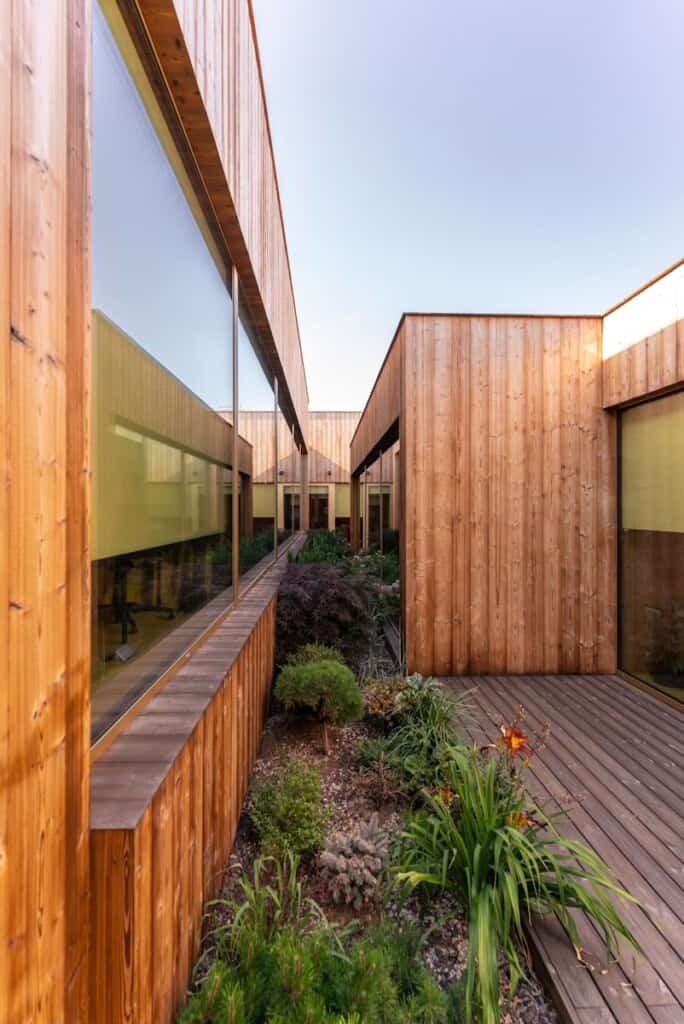
Sustainable material selection is essential for a modern eco-home and stands as a cornerstone of conscientious construction. In 2025, homeowners increasingly gravitate toward fast-growing bamboo, prized for its renewability, durability, and distinctive natural patterns. Cork, harvested without harming the tree, is gaining popularity for its resilience and acoustic benefits as well. Embracing reclaimed woods prevents unnecessary deforestation and infuses interiors with unmatched character and history. Meanwhile, recycled glass and metal are quickly becoming mainstays in kitchen and bathroom applications, turning post-consumer waste into beautiful yet functional design elements, from countertops to artistic backsplashes. These choices not only lower your carbon footprint but also minimize indoor air pollutants, since many natural materials emit fewer chemicals than their synthetic counterparts. Ultimately, prioritizing these materials reflects a more profound commitment to circular economy principles and showcases your dedication to reducing, reusing, and renewing whenever possible.
Energy-Efficient Technologies
Advancements in home energy management are revolutionizing how we live, moving far beyond traditional insulation and double-glazed windows. Today, smart thermostats learn from your routines and adjust settings automatically, while adaptive LED lighting systems use sensors to provide optimal illumination throughout the day, saving energy and improving comfort. Whole-home energy monitoring systems give real-time feedback, enabling owners to identify wasteful patterns and adjust behavior accordingly. Solar power, once reliant on bulky panels, is now seamlessly integrated with innovative solar shingles that blend into the home’s roofline for a clean, modern look. Efforts to maximize efficiency also include geothermal heating systems and cutting-edge HVAC technologies, which use less power and refrigerant while maintaining ideal indoor conditions. These solutions ultimately slash utility bills, reduce fossil fuel dependence, and allow new builds to approach the holy grail of net-zero energy consumption.
Biophilic Design
Connecting homeowners to the outdoors, biophilic design is about more than just adding plants; it’s a holistic approach that influences mental and physical well-being. Larger windows, multi-panel glass doors, and strategically placed skylights are popular features that invite abundant natural light and provide uninterrupted views, creating serene transitions between the inside and outside. This not only lifts the mood and reduces stress but also improves productivity and restful sleep. Incorporating natural stone, exposed wood surfaces, and earthy color palettes brings authenticity and warmth to interiors, grounding occupants in nature. Integrated indoor gardens and living green walls purify the air and bring a dash of vibrant greenery into urban homes, reinforcing daily wellness and boosting property value through increased interest in health-centric amenities.
Modular and Prefabricated Construction
Modular and prefabricated homes are revolutionizing the building landscape with precision construction, minimized site disturbance, and streamlined timelines that can shave months off traditional builds. Built in controlled factory environments, these home components often generate significantly less waste while ensuring high standards, as the use of eco-certified and non-toxic materials can be consistently verified. Innovative factory processes make it easier to integrate advanced insulation, renewable energy systems, and water-saving plumbing. Prefabrication also lends itself to flexible floor plans, easy expansion, and efficient retrofitting for emerging technologies. For homeowners eager to embrace sustainability, this approach simplifies the logistics of creating an energy-efficient, resource-conscious home right from the very first blueprint, delivering both long-term savings and a reduced environmental impact.
Water Conservation Features
Today’s eco-warrior homeowners are turning to innovative water conservation solutions to address dwindling freshwater resources. Outdoor rainwater harvesting tanks collect and store runoff for gardens or secondary household uses, while modern irrigation sensors adjust watering schedules based on real-time weather and soil data, minimizing unnecessary consumption. Drought-tolerant landscaping, sometimes called xeriscaping, relies on indigenous plants that thrive with minimal water, reducing maintenance demands and boosting curb appeal. Indoors, low-flow faucets, dual-flush toilets, and water-saving showerheads can reduce household water usage by up to 50%, with zero compromise on comfort. According to the EPA’s WaterSense program, even simple upgrades can make a measurable difference in reducing waste and protecting future water supplies. Greywater recycling systems are also gaining traction, channeling gently used water from sinks, bathtubs, or washing machines to irrigate lawns and gardens, thus curbing total water demand and supporting a closed-loop resource cycle.
Smart Home Integration
Smart home features go hand in hand with energy efficiency and sustainability, providing tech-savvy solutions that put total control at your fingertips. Centralized smartphone apps, voice assistants, and AI-powered platforms let homeowners monitor and fine-tune systems ranging from lighting and HVAC to major appliances, window shades, and even irrigation zones. Automated scheduling and occupancy sensors ensure devices run only when needed, reducing both waste and costs. More advanced systems can learn from your routines and adjust in real time to optimize comfort and lower utility bills. As an added benefit, these technologies often come with detailed analytics tools, empowering you to track your progress, see where improvements can be made, and refine your sustainability goals year after year—all without sacrificing convenience, luxury, or style.
Green Roofs and Living Walls
Green roofs topped with native foliage provide natural cooling by absorbing sunlight, lowering building temperatures, and reducing the urban heat island effect. They are engineered to manage stormwater runoff, slow drainage, and foster a mini-ecosystem that supports pollinators and other wildlife—even in the heart of city landscapes. Meanwhile, living walls, whether installed outside or as stunning indoor features, improve air quality and acoustics while offering biophilic beauty that soothes and inspires. Beyond their environmental benefits, these features serve as bold architectural statements, helping homes stand out and function better year-round, especially by insulating against temperature extremes and dampening noise from outside.
Net-Zero Homes
The aspiration for a truly sustainable home finds its zenith in net-zero construction. These homes produce as much energy as they consume annually, largely thanks to robust insulation, passive solar building principles, ultra-efficient appliances, and strategically placed solar technologies. Thick, airtight building envelopes minimize heat transfer, while energy recovery ventilators maintain fresh indoor air without compromising efficiency. Often, leveraging cutting-edge automation and monitoring, these residences can adapt to their inhabitants’ needs and external conditions, maintaining comfort with a fraction of the energy required by conventional homes.
Adopting these eco-friendly custom home trends for 2025 allows you to create an environment that is luxurious, resilient, and future-proof. Whether you opt for biophilic touches, advanced energy solutions, or innovative construction methods, each choice supports a more sustainable lifestyle. Partnering with a builder means every decision, from material to technology, supports both your lifestyle and planetary health—all while embracing architectural excellence and innovative design. Embracing these forward-thinking design principles ensures that your home will not only reduce its environmental impact today but will also continue to deliver comfort, savings, and value for many years to come.
