

How AI is Changing the Shipping and Freight Industry
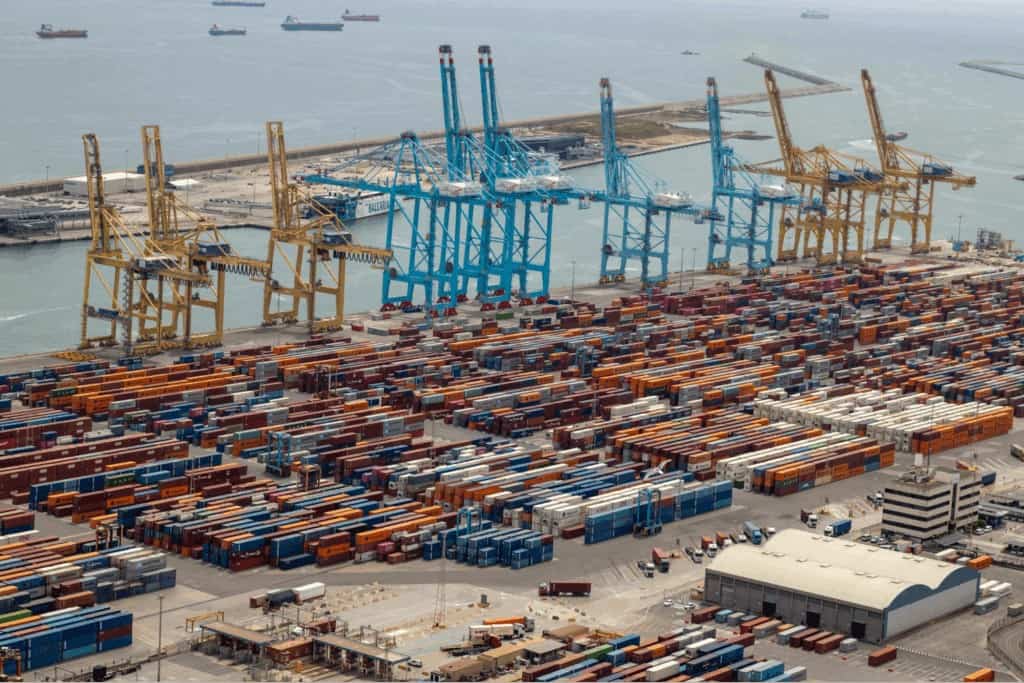
Artificial intelligence (AI) is changing the freight and shipping sector in a big way. In the past, it relied on manual processes and decisions based on experience. Logistics firms are using AI technologies to make their operations more efficient, cut costs, and make the whole process run more smoothly as global trade grows and customer demands rise. Adding AI is more than simply a technological update; it’s a change in strategy that is changing how things are carried out throughout the world.
How AI is Changing the Shipping and Freight Business
Using Predictive Analytics For Smarter Planning
Predictive analytics is one of the most important things that AI contributes to the shipping and freight industry. AI systems can make better predictions about demand by looking at past data, market trends, and things that are happening right now, like weather patterns and gasoline prices, which are similar to predicting the USD to ETH exchange rate trends. This helps logistics planners get ready for busy shipping times, eliminate delays that aren’t essential, and make the best use of their resources. For example, predictive models help transportation managers figure out how many containers they need for future shipments or how long it will take for a product to get to its destination. With this information, businesses can cut down on lead times, avoid overbooking, and make customers happier by giving them more precise delivery predictions.
Fuel Efficiency and Route Optimization
AI-powered route optimization algorithms look at a lot of different things, such as traffic jams, road conditions, toll rates, and even political problems, to determine the best ways to move freight. This not only makes sure that deliveries are made on time, but it also cuts down on fuel use and operating costs. AI makes dynamic route planning possible, which lets cars change their routes in real time based on how things are changing. AI can recommend a different route that keeps delivery timetables if an accident stops a major roadway or bad weather changes a sea route. This not only makes service more reliable but also helps lower the carbon footprint of freight operations, which is something that businesses who care about the environment are becoming more and more concerned about.
Using Robots and Automation In Warehouses
AI is changing warehouse operations in a big way by using automation and robots, not just for transportation. Intelligent machines, led by AI algorithms, are now utilized to choose, pack, and sort commodities with high speed and accuracy. These systems run all the time and change to meet the needs of the inventory, which makes people more productive and makes mistakes less likely. AI also lets you manage your inventories in real-time. AI systems can keep track of commodities as they come into and leave the warehouse. This allows them to give management accurate stock levels and let them know when supplies are running short. This makes sure that orders are placed on schedule and keeps stock levels from getting too high or too low. Warehouses become more responsive and cost-effective when they have better organization and fewer manual checks.
Better Tracking of Cargo and Transparency
AI makes the whole shipping process easier to see. Customers and businesses can see where their shipments are and how they’re doing in real-time, thanks to innovative tracking systems that use AI. AI-powered systems keep you up to date all the time, whether it’s a pallet moving across a continent or a cargo ship sailing across the ocean. This level of openness helps logistics companies gain consumers’ trust and lets them act fast if something goes wrong. For instance, if a cargo is late, AI can automatically send out alerts and change the projected delivery timings. This proactive communication helps keep customers happy and keeps supply chains running smoothly.
Predictive Maintenance for Shipping Equipment
Equipment that breaks down unexpectedly can cause delays that cost a lot of money and put people in danger. AI is helping freight businesses go from maintenance that is done after something breaks to maintenance that is done before something breaks. AI can find symptoms of wear and tear or possible problems before they happen by looking at data from sensors on vehicles, ships, and handling equipment. Predictive maintenance cuts down on downtime, makes machines last longer, and minimizes the cost of repairs. It also makes things safer by reducing mishaps that happen when equipment breaks down. Because of this, shipping operations are more dependable, and repair schedules may be based on actual usage patterns instead of random dates.
Better Security and Risk Management
The freight and shipping business generally deals with high-value items, which makes it a target for theft and fraud. AI makes security better by using smart surveillance systems and behavioral analytics. AI can watch video feeds, identify strange behavior, and find people who aren’t supposed to be there in real-time. AI’s ability to look at data and make predictions about possible problems is also helpful for risk management. AI can figure out how risky something is and offer backup plans for everything from natural disasters to political events. This lets businesses change their logistics plans rapidly so they can keep going even when things don’t go as planned.
More Intelligent Compliance with Customs and Regulations
AI makes customs clearance faster by automating paperwork and making sure that all international rules are followed. It can quickly check shipping information against the rules of the customs office and find any problems before the shipments get to the border. This makes things move more smoothly and cuts down on delays and fines. AI also helps businesses keep up with changes in trade policies and tariffs. AI solutions can keep an eye on regulatory databases all the time and let managers know when new rules come out. This helps businesses quickly adjust to changes in the law in different areas.
Empowering Workers
AI is not taking the place of human labor; instead, it is making them better. Logistics professionals may focus on making strategic decisions and addressing problems when AI takes care of tedious and data-heavy activities. AI-powered dashboards give decision-makers real-time information that helps them make smart decisions swiftly. Everyone, from freight forwarders to supply chain managers, benefits from having access to clear, useful data. AI makes the workforce more powerful by making things less complicated and giving them more time to do higher-value tasks. This makes the business more flexible and efficient.
Conclusion
As AI gets better, it will likely play an even bigger role in the shipping and freight business. When you combine it with other new technologies like the Internet of Things (IoT), blockchain, and 5G, supply chains will become even more linked and smart. These improvements will make it easier for stakeholders to work together, share data in real-time, and automate tasks to levels never seen before. AI is the way forward for the freight and shipping industry in the face of problems with global trade, a lack of workers, and environmental concerns. The sector is becoming more resilient and sustainable by using AI-driven technologies. It is also better prepared to satisfy the needs of a world that is changing quickly.
