

Oops, You Sideswiped a Parked Car: What to Do When There’s No One Around
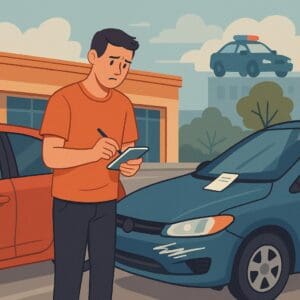
It’s a moment that can make your stomach drop—you’re pulling out of a tight parking spot or maneuvering around a crowded lot when bam—you sideswipe a parked car. No one else is around. No angry car owner rushing over. Just you, a scrape on someone else’s vehicle, and the realization that you’ve caused damage. Now what? A glendale car accident attorney warns against fleeing because a hit-and-run will have graver consequences. Let’s we’ll walk you through exactly what to do after you’ve sideswiped a parked car and the owner is nowhere in sight—legally, ethically, and practically.
1. Don’t Drive Away
First and foremost, do not leave the scene even if it seems minor and even if no one saw. Leaving without action can legally be considered a hit-and-run, even if the other car was unoccupied. And a hit-and-run isn’t a slap on the wrist—it can lead to steep fines, license suspension, increased insurance rates, and even criminal charges in some states.
Think of it this way: if the roles were reversed, wouldn’t you want the person who hit your car to own up to it?
2. Assess the Damage
Once you’ve safely stopped, get out and look at both your vehicle and the one you hit. Document everything. Take clear photos from different angles of the damage to both cars, the surrounding area, and any landmarks or signage. This visual evidence can be crucial later when dealing with insurance companies or if there’s a dispute.
Don’t try to wipe anything off or “fix” any marks—the scene must remain undisturbed.
3. Try to Find the Owner
You might get lucky. If the accident happened near shops, offices, or homes, you can quickly locate the car’s owner. Ask nearby employees or residents if they know whose car it is. Sometimes, people leave their contact information on their dash—look for that too.
If you find the owner, be honest and provide your details. If possible, it’s always better to resolve these situations face-to-face.
4. Leave a Note—The Right Way
If the owner is nowhere to be found, the next step is to leave a note. But not just a scribbled apology—your note should be clear, informative, and responsible. Include:
- Your full name
- A working phone number
- Your insurance company and policy number
- A brief explanation that you accidentally caused damage and want to resolve it
Place the note securely under the windshield wiper where it won’t blow away. You may also want to take a picture of the note on the car as proof that you left it.
5. Report the Incident to Your Insurance Company
Even if the damage seems small, you should notify your insurance company immediately. Being proactive helps protect you if the owner later claims more serious damage or tries to escalate the situation.
Your insurer will likely ask for:
- Photos of the damage
- A copy or image of the note you left
- Details about where and when it happened
Depending on your policy, your collision coverage may cover the cost of repairing the other vehicle. Just be prepared—this could still increase your premium.
6. Consider Filing a Police Report
In some states or municipalities, you must file a police report for any property damage accident, even if the other party isn’t present. Check your local laws—this can vary.
Even if it’s not legally required, filing a report creates a formal record of the incident, which can protect you if there are any later disputes or claims of negligence.
7. Stay Available and Follow Up
Keep the communication lines open once the owner contacts you or your insurer. Avoid being defensive or evasive. You’ve done the right thing by owning up to the accident, so continue cooperating throughout the resolution process.
This also helps your credibility if anything becomes legally complicated later on.
8. When in Doubt, Seek Legal Advice
Accidents, even small ones, can get complicated. If the other party claims more damage than you believe occurred, are unsure of your liability, or are facing potential charges for a hit-and-run, it’s time to talk to a Glendale car accident attorney. A legal professional can help you understand your rights, obligations, and the best action to protect yourself.
Conclusion
Sideswiping a parked car when no one is around may feel like a minor mishap, but how you handle it says a lot about your integrity and can have real legal and financial consequences. By staying calm, documenting everything, and taking immediate responsibility, you can make an awkward situation manageable. And when in doubt, don’t hesitate to consult a legal expert. Doing the right thing isn’t just about morality but also smart self-protection.
