

Sustainable Materials and Modern Home Renovation Trends
Table of Contents
- Reclaimed Wood
- Bamboo and Cork Flooring
- Low-VOC Paints and Finishes
- Energy-Efficient Windows and Doors
- Solar Power Integration
- Biophilic Design Elements
- Smart Home Technology
- Sustainable Countertop Materials
In today’s fast-evolving design landscape, embracing sustainable materials in home renovations is more than just a trend it’s a commitment to environmental responsibility, energy efficiency, and stylish living. Whether renovating a classic residence or building anew, savvy homeowners are proactively seeking ways to reduce their carbon footprint and create healthier living environments. One trusted resource for eco-conscious home renovation is Westside Build, which helps homeowners integrate the latest in sustainable design with quality craftsmanship.
From reclaimed wood accents to cutting-edge smart technology, the options for environmentally responsible renovation have multiplied, making it easier than ever to blend function and fashion with a sustainable ethos. Additionally, as global awareness of the necessity of eco-friendly homes grows, innovations in sustainable building materials and energy systems are on the rise, bringing new possibilities to every room in the house.
Prioritizing sustainability in your home not only reduces your environmental impact but also often leads to long-term savings and improved indoor air quality. Choosing materials and features that balance durability, non-toxicity, and renewability sets the foundation for a modern home that stands the test of time.
Current renovation trends demonstrate that making green choices doesn’t mean sacrificing visual appeal or comfort. With many eco-friendly options now offering superior design aesthetics and practical benefits, homeowners can invest in both sustainability and style.
Reclaimed Wood
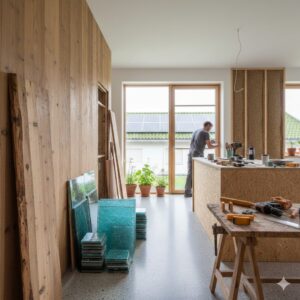
Incorporating reclaimed wood into home renovations infuses spaces with unique character while reducing waste and conserving natural resources. This environmentally conscious practice involves sourcing wood from old buildings, barns, or factories, allowing it a second life. Reclaimed wood often offers distinct textures and a rich history that new materials cannot replicate, making it an ideal choice for visible features such as flooring, exposed beams, and striking accent walls. Beyond aesthetics, choosing reclaimed materials helps offset deforestation and supports a circular economy. The National Association of Home Builders emphasizes that reclaimed wood is typically stronger and more stable than new timber, thanks to its aged, weathered properties.
Bamboo and Cork Flooring
Flooring is one area where smart material choices can make a major impact. Bamboo, a grass that matures rapidly, replaces traditional hardwood with a durable, sleek look. Its quick regrowth makes it one of the most renewable flooring materials available. Cork, harvested from the bark of the cork oak tree, offers a naturally soft, warm, and cushioning underfoot feel. It also has antimicrobial and hypoallergenic properties, making it a preferred choice for families and those sensitive to allergens. Both bamboo and cork are biodegradable and have lower embodied energy compared to many other flooring options. According to Architectural Digest, these materials are becoming increasingly popular for their sustainability and modern appearance.
Low-VOC Paints and Finishes
Indoor air quality ranks high among concerns for renovators, especially with the increased time spent at home. Traditional paints and finishes may emit high levels of volatile organic compounds (VOCs), which negatively affect air quality and human health. Opting for low-VOC or zero-VOC products helps minimize exposure to harmful chemicals. Today, eco-friendly paints offer a broad spectrum of vibrant colors and finishes that rival conventional counterparts in performance and appearance. Many leading brands now carry entire lines of sustainable paints designed to protect both inhabitants and the planet. The U.S. Environmental Protection Agency recommends choosing low-VOC alternatives for healthier homes.
Energy-Efficient Windows and Doors
Replacing old windows and doors with energy-efficient alternatives is a proven strategy for reducing energy use and maintaining a comfortable indoor climate year-round. Modern designs incorporate double- or triple-glazing, low-emissivity (Low-E) glass coatings, and premium sealing technologies. These features minimize unwanted heat transfer and air leakage, cutting heating and cooling requirements. Not only do energy-efficient upgrades lower environmental impact, but they also offer significant savings on utility bills over time. Homeowners may also qualify for green building rebates or incentives when investing in certified high-performance windows and doors.
Solar Power Integration
Harnessing the power of the sun is more accessible than ever. As the price of solar systems continues to decline, solar panels are becoming a fundamental part of sustainable home upgrades. Integrating solar into the home’s energy mix slashes reliance on fossil fuels and drastically reduces carbon emissions. Federal, state, and local incentives further increase the affordability and long-term value of solar solutions. According to the U.S. Department of Energy, modern solar arrays are highly efficient and can even increase a property’s resale value.
Biophilic Design Elements
Bringing the outdoors in is a cornerstone of biophilic design, which prioritizes natural light, greenery, and organic shapes within the home. Large windows, plant walls, and the use of earth-inspired materials, such as stone and sustainable wood, foster a closer connection to nature, enhancing wellness, creativity, and productivity. This design strategy is proven to reduce stress and boost overall well-being. Modern architects regularly incorporate these materials and design tactics to meet growing homeowner demand for calming, restorative spaces.
Smart Home Technology
The adoption of smart home systems takes sustainability efforts a step further by allowing precise control over energy and resource consumption. Integration of smart thermostats, lighting, and appliances enables real-time monitoring and fine-tuning of energy use. Over time, these intelligent systems help minimize waste, reduce monthly expenses, and align with environmentally friendly living. For renovators seeking the highest level of sustainability, pairing smart home technology with renewable energy sources delivers both comfort and efficiency to new heights.
Sustainable Countertop Materials
Countertops crafted from recycled glass, reclaimed wood, and composite materials made from agricultural byproducts set a new standard for sustainability and style. These materials offer resilient, hygienic surfaces that often feature unique patterns and colors, adding visual interest to kitchens and bathrooms. Alongside their environmental benefits, sustainable countertops can withstand daily wear and improve indoor air quality through non-toxic finishes. Their rising popularity reflects homeowners’ desire to make mindful choices without forgoing design inspiration.
Embracing contemporary sustainable materials and renovation strategies significantly reduces a home’s ecological footprint while providing a healthier and more aesthetically pleasing living environment. By staying informed and opting for responsible building practices, homeowners create spaces that are timeless, resilient, and aligned with a brighter, greener future.
