

The Role of Retirement Planning in Achieving Financial Goals
Table of Contents
- Introduction
- Understanding Retirement Planning
- Benefits of Early Retirement Planning
- Key Components of a Retirement Plan
- Common Challenges in Retirement Planning
- Role of Financial Advisors
- Impact of Employer-Sponsored Plans
- Conclusion
Introduction
Effective retirement planning is essential for anyone aiming to enjoy financial security and maintain their desired lifestyle after leaving the workforce. As economic landscapes evolve and life spans increase, planning for the future has never been more critical. Expert advice from professionals such as Mark Henry Founder of Alloy Wealth, emphasizes the need to start preparing as early as possible to reach your long-term objectives.
Retirement planning isn’t just about setting aside money; it’s about creating a roadmap that aligns with your life goals, protects you against financial risks, and ensures lasting peace of mind. Whether you’re just starting your career or approaching retirement age, understanding how to plan effectively can make a world of difference in your later years.
Understanding Retirement Planning
Retirement planning is the process of determining retirement income goals and the actions and decisions needed to achieve them. This comprehensive approach starts with an honest assessment of one’s current financial state, including assets, income, and debts. It involves estimating the expenses one will incur during retirement, factoring in lifestyle choices, inflation, and unexpected costs. Only with clear, realistic projections can one tailor a savings and investment strategy capable of supporting their financial needs for decades beyond their working years.
Benefits of Early Retirement Planning
- Compound Growth: Time can be your greatest ally. By starting early, you allow your investments to benefit from compound growth, where earnings generate their own earnings over time. According to Forbes, early retirement planning is crucial because the longer your money has to grow, the greater the potential benefits over the long term.
- Risk Mitigation: Years of steady investment allow you to recover from market downturns and absorb economic shocks more efficiently.
- Flexibility: If you start saving at a young age, you have more opportunities to reassess and adjust your strategies as your personal goals and the broader market evolve.
Key Components of a Retirement Plan
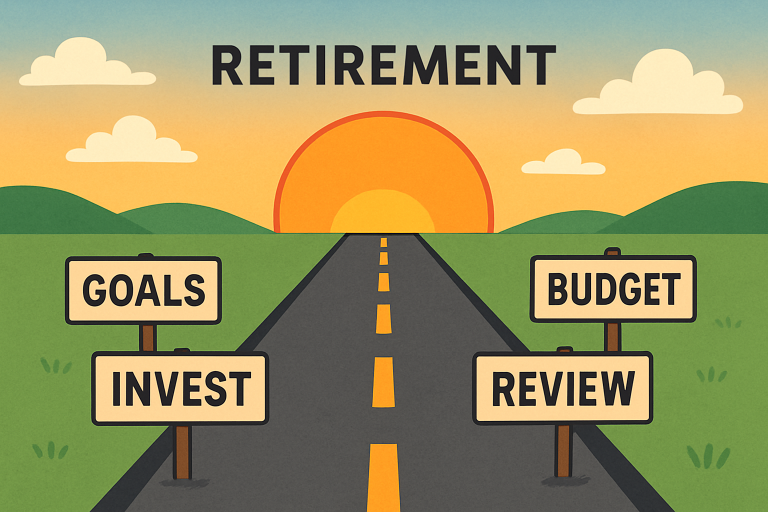
- Setting Clear Goals: Creating specific, measurable, achievable, relevant, and time-bound (SMART) objectives provides critical focus for your retirement plan. Whether your aim is to travel, support family members, or simply safeguard your independence, clarity around your goals will inform every financial decision.
- Budgeting and Saving: Determining how much to save regularly is central to meeting retirement goals. Analyze your projected costs and set a realistic monthly or yearly savings target to help you stay consistent.
- Investment Strategy: Crafting a diversified portfolio is essential. Consider your age, risk tolerance, and time horizon when selecting between stocks, bonds, mutual funds, and other assets. Long-term investments tend to outperform safer, short-term vehicles, but a mixture helps balance risk and reward.
- Regular Review: Retirement plans are never set-and-forget. Circumstances change, markets fluctuate, and personal priorities may shift. Set a schedule to periodically review and adjust your retirement strategy to keep pace with your evolving life and market changes.
Common Challenges in Retirement Planning
Despite best intentions, many people struggle with obstacles that derail their retirement plans. Underestimating future expenses—especially healthcare costs—can quickly erode even sizable nest eggs. Inflation, market volatility, and increased life expectancy add further complexity to retirement calculations. Perhaps the most serious barrier is a lack of financial literacy. Inadequate understanding of investment options or planning strategies leads many to save too little or allocate funds ineffectively. Addressing these common challenges requires education, due diligence, and, importantly, realistic goal-setting.
Role of Financial Advisors
Professional financial advisors play a crucial role in successful retirement planning. Individuals who create a formal retirement plan with an advisor accumulate approximately twice as much wealth as those who do not. Advisors bring objectivity, expertise, and resources to help you navigate complex tax rules, optimize your investment mix, and stick to your plan despite market ups and downs.
For those unsure where to start or overwhelmed by choices, consulting a professional is one of the most impactful steps you can take toward securing your retirement.
Impact of Employer-Sponsored Plans
Many Americans depend heavily on employer-sponsored plans—such as 401(k)s, 403(b)s, or pensions—to build their retirement savings. These plans often offer matching contributions, which can be a powerful boost to your long-term growth. However, a recent NFP study found that while 89% of employees trust employer-provided financial advisors, only 41% actually seek their guidance.
Increasing participation in these plans—especially by leveraging paid professional support—can greatly enhance retirement readiness and improve retirement outcomes. Employees should strive to maximize contributions and regularly review their plan options to ensure alignment with personal goals.
Conclusion
Retirement planning is not just a financial exercise, but a long-term strategy for peace of mind and independence. By starting early, setting clear objectives, crafting a flexible investment plan, and seeking expert advice, you can overcome the challenges of retirement planning and secure the financial future you envision. Don’t leave your retirement to chance—proactive planning today leads to a more secure tomorrow.
