

Tough Floors, Sleek Finish: Choosing the Right Coating for High Traffic Areas
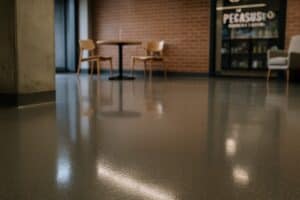
If your floors could talk, high-traffic areas would have plenty of stories to tell — from the constant shuffle of feet in busy hallways to the rolling carts in warehouses and the occasional coffee spill in a bustling café. These spaces work harder than most, and without the right protection, they can quickly show signs of wear. The right floor coating not only keeps them looking sharp but also ensures they stand up to the daily grind. That’s why many businesses and homeowners turn to solutions like polyurethane floor paints for a finish that blends durability with style.
While a fresh coat of paint can improve appearance, high-traffic areas need far more than a cosmetic upgrade. They require a tough, protective surface that can handle impact, resist stains, and endure regular cleaning without peeling or fading. Choosing the right coating is a balance between practical performance and design appeal — especially in spaces that need to impress visitors while holding up to constant use.
Why Durability Comes First
Floor coatings in high-traffic areas aren’t just about aesthetics; they’re a key part of safety and maintenance. Durable coatings create a hardwearing barrier against scuffs, chips, and scratches, reducing the need for frequent repairs or replacements. They also protect the underlying floor material from moisture, chemicals, and abrasion — all of which can lead to costly damage over time.
A well-chosen coating can also improve slip resistance, reducing the risk of workplace accidents or injuries in public spaces. This is especially important in commercial environments, where safety regulations are a top priority.
Types of Floor Coatings for Busy Spaces
Different spaces have different needs, and floor coatings aren’t one-size-fits-all. Here are some popular options:
- Epoxy coatings – Known for their strength, chemical resistance, and smooth finish, epoxy is a go-to for industrial spaces and garages.
- Polyurethane coatings – Flexible, UV-resistant, and often used for both indoor and outdoor spaces, they’re great for areas with heavy foot traffic and exposure to sunlight.
- Acrylic sealers – Easier to apply and fast-drying, but less durable than epoxy or polyurethane. Best for lower-traffic areas.
- MMA (Methyl Methacrylate) coatings – Extremely fast curing, making them ideal when downtime needs to be minimal.
Choosing the right type involves weighing the balance between durability, maintenance requirements, appearance, and budget.
Matching the Coating to the Environment
The demands on a floor vary widely depending on its setting. For example:
- Retail stores – Need an attractive finish that also resists scuffs from heavy footfall and shopping trolleys.
- Restaurants and cafés – Require easy-to-clean surfaces that can handle spills and constant cleaning.
- Warehouses – Benefit from impact resistance to withstand forklifts, pallets, and dropped items.
- Schools and hospitals – Need a balance of durability, safety, and hygiene.
By understanding the challenges of each environment, you can choose a coating that performs well for the long term.
Colour, Finish, and Design Considerations
Functionality doesn’t mean sacrificing style. Modern floor coatings come in a wide range of colours, sheens, and textures, allowing you to create a look that matches the space’s aesthetic. High-gloss finishes can make spaces look larger and brighter, while matte or satin finishes hide imperfections better. Adding patterns or coloured flakes can provide both visual interest and extra grip.
The right design choice can even influence how people interact with a space — for example, using colour zoning in a warehouse to guide traffic flow or highlight safety areas.
Preparation is Key
Even the best coating won’t last if the surface isn’t properly prepared. This typically involves:
- Cleaning the floor to remove dirt, grease, or old coatings.
- Repairing cracks, holes, or uneven areas.
- Ensuring the surface is dry and free from moisture.
- Applying the coating under the right temperature and humidity conditions.
Skipping or rushing this step can lead to peeling, bubbling, or uneven coverage, shortening the life of the coating.
Maintenance for Maximum Lifespan
A high-quality floor coating is an investment, and like any investment, it pays to maintain it. Regular sweeping, gentle cleaning with appropriate solutions, and immediate attention to spills will help preserve its finish. For commercial or industrial spaces, scheduling periodic inspections can catch small issues before they become big problems.
If wear starts to show, a recoating can refresh the surface without the need for a complete replacement, saving both time and money.
Balancing Cost and Value
While budget is always a factor, the cheapest option isn’t necessarily the most cost-effective in the long run. A slightly higher upfront investment in a durable, well-applied coating can mean years of trouble-free use, compared to cheaper coatings that need frequent reapplication.
Think of it as a long-term decision — one that impacts appearance, safety, and operational efficiency.
Strong Floors, Strong Impression
Whether you’re protecting a busy office lobby, a bustling café, or a hard-working warehouse, the right floor coating is more than just a surface treatment. It’s a protective layer that keeps your floors looking good, performing well, and staying safe for years to come.
By choosing a coating that matches both the demands and the style of your space, you’ll get the best of both worlds — tough floors with a sleek finish.
