

Unveiling Japanese Tea Culture: The Art of Green Tea
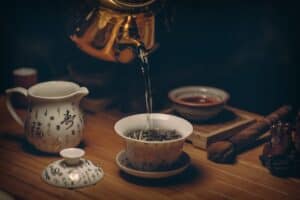
Tea culture in Japan is a refined art that encapsulates the essence of tradition, aesthetics, and philosophy. It is deeply rooted in the country’s history and has evolved into a cultural hallmark that transcends the mere act of drinking tea. Japanese tea culture is notably characterised by its meticulous preparation, presentation, and consumption of japanese green tea, which has become synonymous with the country’s identity.
The Historical Origins of Japanese Tea Culture
The introduction of tea to Japan can be traced back to the 9th century when it was brought over from China by Buddhist monks. The impact was profound, with tea becoming a central component of monastic life, aiding in meditation practices. Over time, tea seeped into the fabric of Japanese society, gaining prominence particularly during the 12th century through the proliferation of Zen Buddhism.
The Way of Tea
In Japan, the act of tea preparation, serving, and sipping is not simply about quenching thirst but is a spiritual and philosophical journey known as ‘The Way of Tea’ or ‘Chadō’. This journey is underpinned by an appreciation for beauty in simplicity, a concept reflecting the Zen Buddhism principles of mindfulness and the pursuit of inner peace.
Chadō emphasises the four core principles of harmony (wa), respect (kei), purity (sei), and tranquillity (jaku). Each element plays a vital role in the tea ceremony, from the harmonious arrangement of the tea room to the respectful interactions between host and guest. The cleanliness of the tools and surroundings epitomises purity, while the overall tranquillity experienced during the ceremony is the zenith of the art form.
Green Tea: The Elixir of Japanese Tea Culture
At the heart of Japanese tea culture lies green tea, a beverage that has been perfected over centuries. Unlike black teas, green tea leaves are quickly heated after picking to stop the fermentation process, leading to a distinct flavour that can range from sweet and floral to grassy and astringent. Such teas are not merely consumed for their taste but are also revered for their health benefits including high levels of antioxidants and metabolism-boosting properties.
The most famous Japanese green tea is ‘Matcha’, a fine powdered tea used in traditional tea ceremonies. Its preparation involves a ceremonial whisking of the powder with hot water to create a frothy, vibrant green concoction that is rich in flavour and history.
Ceremonial Tools and Techniques
Integral to Japanese tea culture are the tools required to prepare the tea, each selected with intention and purpose. From the chasen (bamboo whisk) to the chawan (tea bowl), every item is a marriage of practicality and beauty, often handcrafted and treated with great respect and care. The techniques employed in the ceremony, such as the methodical cleaning of utensils and the intricate whisking of matcha, are passed down through generations and performed with graceful precision.
Seasonality and its Role in Japanese Tea Culture
Seasonality plays a significant role in the tea culture of Japan. The tea rooms and utensils often reflect the current season, with guests appreciating the transient beauty of nature through seasonal flowers, scrolls, and kimonos worn during the ceremony. This alludes to the Japanese concept of ‘mono no aware’, the sensitivity to the ephemeral nature of life, mirrored in the subtleties of the tea experience.
The harvest time of tea leaves also determines the character and quality of the green tea. The first harvest, known as ‘Shincha’, usually takes place in early May and yields the most tender and highly prized leaves. These first flush teas are celebrated for their refreshing aroma and superior quality, encapsulating the exuberance and renewal of spring.
Tea Practice as a Reflection of Japanese Culture
The tea ceremony is not only an appreciation of the beverage but also a mirror reflecting Japanese sensibilities of etiquette, hospitality, and communal experience. Guests participate in the ceremony with a profound understanding of the host’s efforts and attention to detail, from the selection of the tea to the accompaniments that might include traditional sweets or small dishes. The ceremony fosters a sense of unity and momentary retreat from daily life.
Japanese Tea Culture in the Modern Era
While deeply anchored in tradition, Japanese tea culture has managed to retain its relevance even in modern times. It has adapted to contemporary life, with people enjoying green tea in various forms, from a casual drink in cafés to formal ceremonies in traditional settings. Today, green tea remains a vital element of Japanese dietary culture, and its influence has spread worldwide, with many seeking the tastes, health benefits, and cultural richness it offers.
Japanese tea culture is a multifaceted aspect of Japan, extending far beyond the borders of its islands. It stands as a testament to the country’s dedication to the preservation of its cultural heritage. Whether through the serenity found in the tea ceremony or the quiet enjoyment of a cup of japanese green tea at home, the spirit of Chadō persists, inviting participants to imbibe more than just a drink, but a sip of history and artistry that has been steeped in time.
In conclusion, the art of green tea in Japan is an intricate tapestry of history, aesthetics, and philosophy that offers a profound sense of tranquillity and appreciation for the present moment. It is a culture where every sip is a communion with centuries of tradition, and every cup served is a gesture of hospitality and respect. As this cultural practice continues to be a cornerstone of Japanese society, it also resonates with tea enthusiasts around the globe, all united by the distinctive experience that japanese green tea provides.
