

How Modern Mountain Living Is Redefining Real Estate in America
Key Takeaways
- Modern mountain homes are integrating contemporary design elements with natural surroundings, moving beyond the traditional log-cabin aesthetic to create spaces that are both stylish and in harmony with their surroundings.
- Technological advancements and sustainable practices are rapidly becoming standard in mountain real estate, ensuring these homes are as functional as they are beautiful.
- Communities like Park City are leading the way in redefining luxury mountain living by offering exceptional amenities and innovative home designs that attract buyers from all over the country.
Mountain living has long been associated with rustic cabins, cozy fireplaces, and the sense of isolation that comes from being surrounded by wilderness. These traditional notions conjure images of timber-clad retreats hidden deep within forests or perched on remote hillsides, perfect for those looking to escape the bustle of city life. However, a new wave of homeowners and developers is rapidly transforming this classic image, combining cutting-edge architecture and innovative home technology with the breathtaking beauty of alpine environments. This modern evolution is reshaping real estate markets across the country, offering a fresh perspective on luxury living that is at once both contemporary and deeply connected to nature. Where once the idea of living in the mountains was reserved for the adventurous or reclusive, today’s mountain communities offer a sophisticated blend of style, comfort, and sustainability.
A compelling example of this growing trend can be found in the Golden Eagle community in Park City, Utah. Created by Mustang Development, a family-owned company with more than three decades of roots in the region, Golden Eagle reflects how thoughtfully designed communities can blend seamlessly with the dramatic natural landscape. The development features 314 estate homesites ranging from half an acre to several acres, each carefully positioned to capture sweeping views of the Jordanelle Reservoir and the Wasatch Mountain range. According to Park City real estate experts Golden Eagle represents an ideal balance of location, planning, and lifestyle. Its homes embrace modern architectural elements, such as open floor plans and clean lines, while incorporating natural materials, creating a distinctive contemporary mountain-living experience.
The Rise of Mountain Modern Design
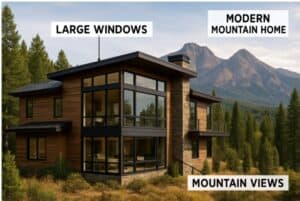
Gone are the days when mountain homes were synonymous with dark wood interiors, heavy stone fireplaces, and dimly lit rooms. Today, there has been a dramatic shift in how these homes are designed and experienced. Modern mountain architecture emphasizes open-concept living spaces, soaring ceilings, and expansive glass walls that let in abundant natural light. Large windows and sliding glass doors create seamless transitions between indoor and outdoor living areas, inviting residents to connect with stunning vistas from virtually every room in the house. Minimalist aesthetics with clean lines, neutral colors, and sustainable materials are now favored, offering an understated elegance that highlights rather than competes with the surrounding landscape. This evolution not only enhances the visual appeal of mountain homes but also increases functionality, making spaces feel larger, brighter, and more welcoming year-round. The result is a style that feels both sophisticated and grounded, where residents can fully enjoy the peace, beauty, and inspiration the mountains offer.
Technological Integration in Mountain Homes
Modern mountain residences are embracing the latest in smart home technology, transforming these homes into models of efficiency, convenience, and security. Features like automated lighting and smart climate controls let homeowners effortlessly adjust their environment for comfort and energy savings, even when away. Remote management systems can monitor everything from temperature and humidity to water usage, ensuring optimal performance throughout the changing seasons. Integrated security systems, such as motion sensors, smart locks, and camera networks, offer peace of mind and make it easier to safeguard properties that may be vacant during off-seasons or when owners are traveling. These technological advances are particularly beneficial in mountain regions, where weather conditions can be extreme and unpredictable. Homeowners can receive real-time alerts about temperature drops, snow accumulation, or power outages, and respond accordingly to protect their investments. The move toward “smart” mountain homes is making this lifestyle more accessible and comfortable than ever before.
Sustainability and Eco-Friendly Practices
Environmental consciousness has become a defining characteristic of modern mountain living. Builders and homeowners alike are increasingly committed to adopting sustainable practices that reduce environmental impact while enhancing the health and comfort of their homes. Many new mountain residences feature energy-efficient appliances, low-flow plumbing, and high-performance insulation, significantly reducing utility use. Solar panels, geothermal heating systems, and sophisticated water management solutions are becoming central to the design of these properties, not only for their cost-saving benefits but also to meet the growing demand for green buildings. Sustainable materials, such as reclaimed wood, locally-sourced stone, and non-toxic finishes, further minimize the homes’ ecological footprints while lending authenticity and warmth to the interiors. These efforts resonate deeply with buyers, many of whom select mountain living specifically for the opportunity to live more harmoniously with nature. In this way, modern mountain real estate is finding new ways to honor and preserve the very landscapes that make these communities so desirable.
Community Amenities and Lifestyle Enhancements
Modern mountain communities are redefining what it means to live in the high country by offering a wide array of amenities that go far beyond traditional expectations. Residents no longer have to choose between comfort and adventure; they can now access state-of-the-art fitness centers, yoga studios, and swimming pools right in their neighborhoods. Gourmet on-site dining, stylish community gathering spaces, and curated cultural events bring residents together, fostering a strong sense of community. Outdoor enthusiasts benefit from miles of private hiking and biking trails, ski-in/ski-out access in some developments, and year-round recreation options. By expanding their offerings, these communities cater to a diverse demographic, including young families seeking an active, social lifestyle. The focus on wellness, recreation, and connectivity ensures that mountain living remains attractive and rewarding throughout every stage of life.
The Impact on Real Estate Markets
The surging demand for modern mountain homes has led to far-reaching changes in real estate markets across America’s alpine regions. Properties that successfully combine contemporary design, advanced technology, and seamless integration with natural landscapes are now commanding premium prices. Real estate analysts note that areas such as Park City have seen significant price appreciation, driven by interest from buyers both nationwide and internationally. This heightened demand has encouraged developers to prioritize quality, sustainability, and amenities as differentiators in a competitive market. Resale values for these properties remain strong, making them attractive not only as primary residences but also as vacation homes and investment opportunities. As modern mountain living continues to gain momentum, new communities and redevelopment projects are expected to emerge, further transforming the market and setting new industry standards.
Challenges and Considerations
While the appeal of modern mountain living is undeniable, prospective homeowners should be aware of a few unique challenges associated with this lifestyle. Accessibility can be an issue in remote regions, especially during winter months when roads may become impassable or require special vehicles. Maintaining a mountain property often requires specialized knowledge and resources, from snow management and wildfire prevention to backup energy systems. Environmental considerations, such as managing water use and preserving natural habitats, must be carefully balanced against development goals. To navigate these challenges successfully, it is crucial for buyers to collaborate with experienced real estate professionals and builders who understand the nuances of mountain living. This expertise ensures a smoother transition and helps homeowners fully realize the many benefits of their new environment.
Conclusion
The ongoing redefinition of mountain living reflects a broader shift in how Americans envision their ideal homes, places where luxury, sustainability, and a deep connection to nature converge. With innovative communities like Park City setting the pace for contemporary mountain design, the future of real estate in these regions looks brighter than ever. For those seeking a lifestyle that blends modern comforts with exceptional natural beauty, the new era of mountain living promises unique opportunities to create a home and legacy amidst some of America’s most spectacular landscapes.
