

How to build pest prevention into a practical home maintenance routine
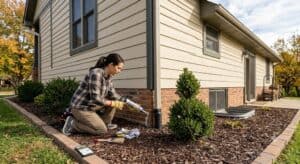
A practical home pest prevention plan works best when it sits alongside the rest of a household maintenance schedule instead of beginning only after insects or rodents are already inside. Gaps around utility lines, damaged screens, moisture near plumbing, overgrown vegetation, stored cardboard, and poorly sealed food containers can all create conditions pests use long before anyone notices activity indoors. Homeowners can reduce many of those opportunities through routine checks, better storage, prompt repairs, and professional help when the problem goes beyond basic maintenance. The useful goal is not to inspect every corner constantly but to know which conditions deserve attention and when a small sign points to a larger issue. That approach also fits naturally with other seasonal jobs such as gutter cleaning, plumbing checks, exterior repairs, and yard work.
Start a home pest prevention plan with the building exterior
The exterior is usually the most sensible place to begin because pests need a route into the structure before they become an indoor problem. A slow walk around the house can reveal cracked caulk, gaps around pipes, loose weather stripping, torn screens, damaged vents, or openings beneath siding that were easy to overlook during everyday use. Doors and garage entrances deserve attention as well, particularly where light is visible around the edges when they are closed. Homeowners who notice repeated activity or signs they cannot identify may need more than a do-it-yourself repair. For example, someone managing a property in the area can compare Pest Control Services in Butler, MO when professional inspection or treatment is needed. A local service directory can help establish a shortlist, while the final choice should still depend on the specific problem, proposed treatment, communication, and written scope of work.
Exterior maintenance also includes the area immediately around the structure. Firewood stacked against siding, dense shrubs touching the walls, leaf piles near the foundation, and debris beneath decks can create sheltered areas where pests remain unnoticed. None of these conditions automatically means that a house has an infestation, but they make inspection harder and can give insects or rodents easier access to entry points. A cleaner perimeter makes changes easier to spot, which is often more useful than waiting for obvious indoor damage.
Keep moisture problems separate from normal cleaning
Water is easy to overlook because a small plumbing drip or damp cabinet may seem unrelated to pest activity. In reality, persistent moisture changes the conditions inside a home and can make hidden spaces more attractive to several types of insects. A leaking sink connection, condensation around a pipe, water collecting near a foundation, or an appliance line that slowly seeps can remain unnoticed for weeks because the visible amount of water is small. The same issue may also damage cabinets, flooring, or wall materials, so correcting the moisture source serves more than one maintenance purpose.
This scenario is where pest prevention at home overlaps directly with plumbing and building care. Cleaning the affected area matters, but it should come after the reason for the moisture has been identified. A recurring puddle beneath a sink should not be treated as a housekeeping problem if a loose connection is responsible. Likewise, damp material in a basement or crawl space deserves investigation instead of repeated drying. Removing the condition that supports pest activity is usually more useful than repeatedly treating the visible symptom.
Make kitchens and storage areas harder for pests to use
Kitchens attract attention because food is present, but the bigger issue is often access rather than cleanliness in the everyday sense. Dry goods stored in damaged packaging, pet food left open, crumbs beneath appliances, and trash that sits uncovered can all provide a reliable food source. Storage rooms present a different problem: piles of cardboard and items that rarely move create sheltered spaces where early activity can be difficult to see. A room can look generally tidy and still contain several places that are hard to inspect.
A better home pest prevention plan uses storage methods that make both food and hidden areas easier to monitor. Frequently used pantry items can stay in sealed containers where practical, while older packages should be checked before new ones are placed in front of them. Cardboard that is no longer needed should be removed rather than stored indefinitely. Shelving also helps because it keeps belongings visible and reduces large piles on the floor. The purpose is not to create a perfectly empty room. It is to make unusual droppings, damaged packaging, shed material, or other signs easier to notice before they disappear behind months of stored items.
Simple maintenance checks worth repeating
- Inspect door sweeps, screens, and visible exterior gaps as part of seasonal maintenance.
- Check beneath sinks and around appliances for slow leaks or damp materials.
- Move stored boxes occasionally instead of leaving the same areas untouched for months.
- Keep food, including pet food, in closed containers when possible.
- Trim vegetation that rests directly against siding, windows, or exterior vents.
- Record recurring pest activity by location and date rather than treating each sighting as an unrelated event.
Use pest signs to decide what needs professional attention
One insect near an open door does not carry the same meaning as recurring activity in the same cabinet, wall area, or room. Good maintenance depends on patterns. Homeowners should pay attention to where a sign appears, how often it returns, and whether there are other changes nearby. Repeated droppings, damaged food packaging, scratching sounds, visible nests, wood damage, or insects appearing from the same concealed area justify a closer look. Trying one household treatment after another without identifying the source can delay a proper assessment while the activity continues elsewhere.
The table below offers a simple way to separate observations that may be handled through normal maintenance from those that deserve closer investigation.
| What is noticed | First maintenance response | When to seek professional help |
| Occasional insect near a door | Check screens, seals, and nearby openings | Activity continues after entry points are corrected |
| Moisture under a sink | Repair the leak and dry the area | Pest signs continue around the damp location |
| Damaged food packaging | Remove affected products and improve storage | Similar damage repeatedly returns |
| Scratching or movement in walls | Note location, timing, and nearby openings | Sounds repeat or other rodent signs appear |
Coordinate pest prevention with seasonal home maintenance
Pest prevention becomes easier when it is attached to jobs that are already happening around the property. Spring yard cleanup provides a natural time to look at the foundation, vents, siding, and vegetation. Gutter work creates an opportunity to check for standing water and exterior damage. Plumbing maintenance can include a quick look for damp cabinets and pipe penetrations. Before colder weather arrives, door seals, garage gaps, and openings around utility lines can be reviewed again. Combining related jobs reduces the chance that pest prevention becomes a separate task that is repeatedly postponed.
This approach also makes budgeting more predictable. A homeowner who documents exterior repairs, leak corrections, and previous pest treatments can see whether activity is connected to an unresolved building issue or has become a recurring service need. That is more useful than starting from zero every time a problem appears. A broken vent screen fixed during routine maintenance may prevent a later entry point, while a recurring issue in the same part of the house may show that a more detailed inspection is warranted.
Treat pest control as part of caring for the whole property
The most useful home pest prevention plan is rarely built around a single treatment. It comes from keeping the property easier to inspect, fixing water and access problems early, storing food and household items thoughtfully, and recognizing when recurring signs need specialist attention. Pest control fits comfortably within home improvement because many of the conditions that attract or admit pests are building-maintenance issues first: damaged materials, open penetrations, moisture, neglected storage, or exterior areas that have become difficult to monitor.
That perspective also prevents unnecessary overreaction. Not every insect requires a major response, while repeated activity should not be dismissed simply because the visible signs are small. Good property care depends on noticing patterns and correcting their cause rather than repeatedly covering the symptom. When routine maintenance and professional pest control are used at the right moments, the home remains easier to manage, problems are documented earlier, and repairs are less likely to begin only after the damage has become difficult to ignore.
