

How to Prepare Financially for Your Child’s Post-Secondary Education
Key Takeaways
- Begin saving as early as possible to maximize the impact of compounding returns.
- Choose education savings plans that align with your family’s needs and goals.
- Promote financial literacy by involving your child in planning and goal-setting.
- Continually assess and refine your savings strategy to stay on course.
Ensuring your child can access quality post-secondary education is a significant priority for many parents today. However, with the rising cost of tuition, books, and living expenses, financial planning for higher education has become more important than ever. One of the most effective ways to start is by exploring Registered Education Savings Plans (RESPs), specialized savings accounts designed to help families prepare for future education costs. By taking a proactive approach and implementing smart strategies, you can reduce the burden on both you and your child when it comes time to pay for college or university.
Starting early is key to saving for education. The power of compound interest, along with the discipline of consistent contributions, can make a significant difference in the amount you accumulate. Beyond savings, understanding the various options available can help you make the most of your efforts while minimizing financial stress as your child approaches graduation and begins their post-secondary journey.
Careful planning can also include involving your child in discussions about the costs of education. This not only prepares them for the realities of financial management but can also empower them to seek scholarships, grants, and part-time work opportunities. Opening discussions about budgeting and goal-setting early fosters lifelong habits that will benefit them well beyond graduation.
To ensure your strategies remain relevant and effective, make it a habit to review your progress annually. Circumstances change, and so do financial aid policies and educational costs. Adapting your plan accordingly is just as critical as establishing it in the first place.
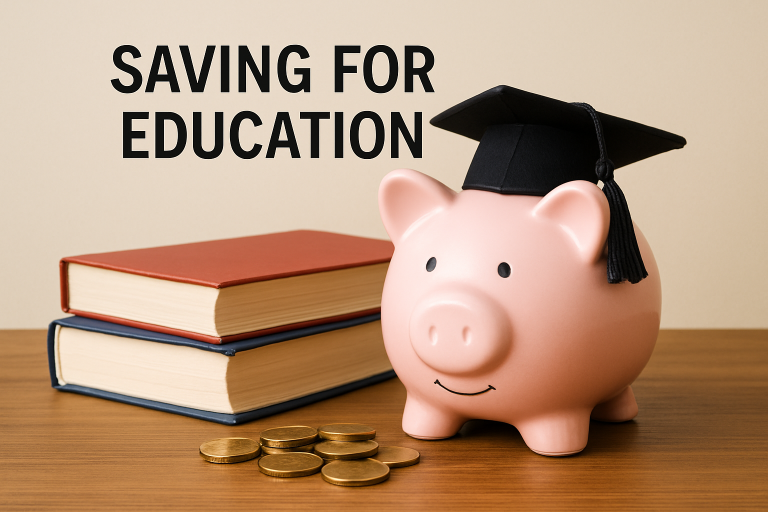
Start Saving Early
Time is your greatest ally when saving for post-secondary education. Even small contributions, started years ahead, can accumulate impressively thanks to compound interest. For example, setting aside just $50 a month, starting when your child is born, can add up to thousands of dollars by the time they reach college age. Starting early also offers greater flexibility—should life events disrupt your savings, you’ll have more time to catch up or adjust your strategy.
Explore Education Savings Plans
Determining the most effective savings vehicle for your educational goals is essential. Several plans offer unique benefits for families:
- 529 Plans: Tax-advantaged savings accounts providing growth and tax incentives in many U.S. states, used exclusively for qualified education expenses.
- Coverdell Education Savings Accounts (ESA): Allow for flexible investment and can be used for education expenses at all grade levels, though contribution limits and income caps apply.
- Custodial Accounts (UTMA/UGMA): Enable broad saving and investment on behalf of a minor, usable for any purpose, including education, without the specific tax benefits of the other plans.
Choosing the right plan depends on your individual financial situation, long-term goals, and your country or state’s tax regulations. Comprehensive overviews from reputable sources can help you compare these options in detail.
Involve Your Child in Financial Planning
Introducing financial literacy early on empowers your child to take ownership of their education path. Involve them in conversations about tuition, budget planning, and the importance of scholarships and grants. Please encourage them to research and apply for financial aid, and to consider part-time work or summer jobs to help cover their own expenses. Such involvement helps develop responsible money management skills and can foster appreciation for the value of their education.
Regularly Review and Adjust Your Savings Strategy
Education costs and family financial circumstances continually evolve. Schedule annual reviews of your savings strategy to ensure you’re on track to meet your goals. Consider changes in tuition rates, available financial aid, and your income or expenses when adjusting your contributions. Tools such as college savings calculators or consulting with financial experts can help keep your plan optimized.
Consider Additional Financial Aid Options
Beyond your own savings, numerous financial aid sources exist. Scholarships and grants, available based on merit, need, or special interests, do not require repayment and can significantly ease financial pressure. In addition, student loans—whether federal or private—can bridge any remaining gaps, though it’s wise to ensure you fully understand loan terms, interest rates, and repayment conditions. Some universities also offer work-study programs, allowing students to earn money while pursuing their education, often in fields related to their studies.
Utilize Tax Advantages
Tax credits and deductions can help make education costs more affordable. Popular options include the American Opportunity Tax Credit (AOTC) and the Lifetime Learning Credit (LLC), both of which can lower your tax bill if you qualify. Familiarize yourself with eligibility criteria and consult with a tax professional to maximize the benefits for your family.
Plan for Inflation
Education expenses tend to rise annually, outpacing overall inflation. When setting your savings targets, account for the estimated increase in tuition and living costs. Reliable projections are available from organizations, including the National Center for Education Statistics, which can inform your long-term planning.
Seek Professional Financial Advice
No two families’ financial situations are identical. Working with a financial advisor can help tailor your education savings plan to your needs, clarify your choices, and ensure you’re leveraging all the advantages available—whether tax, investment, or financial aid. A professional can help you avoid common pitfalls and prepare for both expected and unexpected expenses.
By starting early, staying informed, and regularly reviewing your progress, you can provide your child with a solid financial foundation for their post-secondary education and help set them up for long-term success.
