

How to Tell If You’re Brushing Your Teeth Too Hard
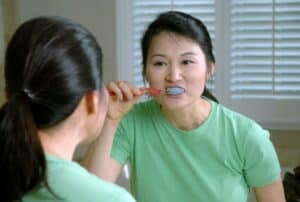
Brushing your teeth is one of those habits where putting in more effort can feel like it should produce a better result. If a little pressure removes plaque, surely scrubbing harder gets your teeth even cleaner? Unfortunately, teeth and gums don’t work that way.
Effective brushing is about technique and consistency rather than force. If you’re concerned about sensitivity, gum changes or the way you’re brushing, a dentist Chatswood patients can consult can assess your teeth and gums and show you how to clean effectively without applying unnecessary pressure.
The tricky part is that brushing too hard may be a long-standing habit you barely notice. Fortunately, there are a few clues that can help you recognise it.
Your Toothbrush Bristles Quickly Become Frayed
Take a look at your toothbrush.
If the bristles are spreading out in every direction after a relatively short period, you may be pressing harder than necessary. A toothbrush naturally wears with use, but rapidly flattened or splayed bristles can suggest excessive pressure.
Once bristles become badly worn, they also won’t clean as effectively as intended.
Replace your toothbrush or electric brush head according to the manufacturer’s guidance, and sooner if the bristles become visibly worn.
Then pay attention to how quickly the new one changes shape.
Your Gums Appear to Be Receding
Gum recession means the gum margin has moved away from its previous position, exposing more of the tooth or its root surface.
There are several possible causes of recession, and brushing technique can be one contributing factor. Gum disease, tooth position and other factors can also play a role, so don’t automatically assume your toothbrush is responsible.
Signs you might notice include teeth appearing longer or the gumline looking different around particular teeth.
If you notice these changes, have them professionally assessed rather than simply switching toothbrushes and assuming the problem is solved.
Your Teeth Have Become More Sensitive
Sensitivity can have many causes, but aggressive brushing may contribute in some cases, particularly where gum recession or wear has exposed more sensitive areas of a tooth.
You might notice discomfort when drinking cold water, eating ice cream or having something particularly hot.
Sensitivity doesn’t automatically mean you’re brushing incorrectly. Tooth decay, cracked teeth, worn restorations and other dental problems can produce similar symptoms.
Persistent or worsening sensitivity deserves a dental assessment.
You Feel Like You Need to Scrub
Your brushing technique can reveal just as much as your toothbrush.
If you’re gripping the handle tightly and making forceful back-and-forth movements, you may be treating brushing more like scrubbing a dirty pan than cleaning your teeth.
Plaque doesn’t need to be attacked with extreme force.
Use controlled movements and concentrate on reaching the surfaces of each tooth, particularly around the gumline and harder-to-reach areas.
If you use an electric toothbrush, some models have pressure sensors that warn you when you’re pushing too hard. This can be useful if you struggle to judge pressure yourself.
Your Gums Regularly Feel Sore After Brushing
Your mouth shouldn’t feel as though it has just survived a workout.
If your gums regularly feel tender immediately after brushing, consider whether you’re applying too much force.
Bleeding also deserves attention, but don’t assume bleeding gums simply mean you need to brush more gently. Bleeding can be associated with gum inflammation and other dental issues that require appropriate care.
Likewise, don’t stop brushing an area entirely because it bleeds.
Instead, continue gentle oral hygiene and arrange professional advice if bleeding persists.
Use the Right Toothbrush
For most people, a soft-bristled toothbrush is a sensible choice unless a dental professional recommends something different.
A harder brush isn’t automatically a more effective one.
Technique matters far more.
Position the brush so you can clean around the gumline and move systematically around your mouth rather than repeatedly attacking the easiest-to-reach front surfaces.
Don’t forget the inner and chewing surfaces of your teeth.
Don’t Try to Brush Away Stains
Visible staining can tempt people to brush harder.
But not every stain can be removed by applying extra pressure with a toothbrush. Some discolouration is on the surface, while other colour changes occur within the tooth itself.
If you’re unhappy with staining, ask your dentist what is causing it and whether professional cleaning or another treatment is appropriate.
Scrubbing aggressively isn’t a safe substitute for professional advice.
Give Yourself Enough Time
Rushing can encourage poor technique.
Rather than brushing frantically for 30 seconds, slow down and make sure you’re cleaning all areas of your mouth. Many dental guidelines recommend brushing twice daily for around two minutes with fluoride toothpaste, although individual advice may vary.
After brushing, spit out excess toothpaste rather than immediately rinsing extensively with water, as this allows fluoride to remain in contact with the teeth for longer.
Your dentist can provide personalised advice based on your oral health.
Think Gentle and Thorough, Not Hard
Good brushing should be thorough without being aggressive.
If you’re unsure about your technique, bring your toothbrush to your next dental appointment and ask for a demonstration. Small adjustments to your grip, pressure or brush position can make a significant difference.
And if you’re already noticing gum recession, persistent sensitivity, bleeding or changes to the surfaces of your teeth, don’t assume brushing is definitely the cause. Have the problem assessed so you know what you’re dealing with.
Your goal isn’t to scrub your teeth as hard as possible. It’s to remove plaque consistently while looking after the teeth and gums you’re trying to protect in the first place.
