

Inside Modern Pain Care: Why More Patients Trust Interventional Treatments in Oklahoma
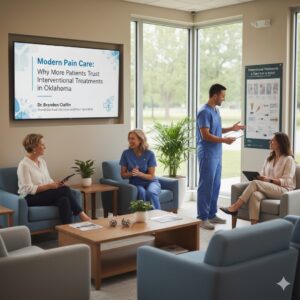
Chronic pain care is changing as researchers learn more about how pain actually works. For many years, painkillers were the primary tool used to ease symptoms and offer short-term relief. Over time, patients and healthcare professionals recognized the limitations of relying on medications alone, including reduced effectiveness and concerns about long-term use.
This growing awareness among Oklahomans has paved the way for safer, more targeted approaches that focus on treating the source of pain and supporting lasting recovery. We explore why patients are turning to non-surgical treatments and opting for a more holistic approach to care.
Patients Have Easy Access to Medical Education
An estimated 98% of people use search engines for health information. A growing number are seeking advice from AI chatbots on treatments and preventative care. This has helped more patients understand that pain is influenced by the nervous system and how the body processes signals over time.
Education on pain physiology can improve quality of life and build patient confidence. Armed with knowledge, they then seek out comprehensive care that aligns with their values. Patients now see the need for concurrent treatment plans that combine holistic lifestyle changes with minimally invasive solutions that relieve pain, like this leading pain management clinic in Jenks, Oklahoma.
People Expect More From Their Doctors
Many patients report frustration with medication-heavy pain relief approaches. Ongoing challenges for long-term treatments have guided people with chronic pain to seek alternatives, as they want to know their pain is taken seriously. This has led to a demand for patient-centered pain treatment plans.
Patients Want Care That Validates Them and Builds Trust
People living with ongoing discomfort that affects their day-to-day function want more than quick fixes. They want care they can trust and a clear path to lasting relief.
Research involving young people with chronic musculoskeletal pain found that validation of their pain by doctors improved their mental health and pain relief. Consistent, clear communication also reduces patient stress, even when a diagnosis is unclear. Patients favor medical practices that share real stories and demonstrate caring, holistic pain treatment plans where patients are central to the approach.
How Interventional Pain Care Offers a Clear Path Forward
Modern pain management identifies a patient’s need for trust. After years of medication-focused care, patients are more informed and cautious. Their goal is to find a whole-body treatment that considers their preferences and values. It should support mental well-being and rely on safe, minimally invasive care.
Interventional pain management has become more popular due to these shifts in comprehensive care. As a less invasive option than surgery, interventional pain care helps many people find relief.
What is Interventional Pain Care?
Interventional pain care focuses on identifying the source of pain and addressing it with precision and care. By targeting inflammation or pain signals, these injections help people feel better and get back to moving comfortably.
Board-certified interventional pain specialists, like Dr. Brandon Claflin, care about helping patients reduce pain and restore function. These are the approaches that more patients are trusting:
- Advanced non-surgical care: Minimally invasive treatments and precise diagnostics designed to relieve pain and restore function without surgery.
- Complete diagnostics: Efficient, evidence-based testing that supports accurate diagnosis of nerve and musculoskeletal conditions.
- Collaborative approach: Coordinated care with physical therapists, neurologists, orthopedic specialists, and other providers when appropriate.
- Evidence-based care: Treatment strategies grounded in data, clinical experience, and established best practices.
- Long-term relief planning: Individualized treatment plans that consider lifestyle, preferences, and long-term recovery goals.
- Patient-centered care: An emphasis on validation, clear communication, and shared decision-making throughout the care process.
Interventional pain care is a modern response to patient expectations. Healthcare professionals see this as an opportunity to streamline their referral process to a pain specialist and expand patient education resources. Patients want to make informed decisions and confidently manage their pain with a board-certified pain expert as their trusted partner.
Why Trust Has Become the Central Issue in Pain Management
Patients want treatment plans that are effective, transparent, adaptable, and centered on the individual. They trust their pain management doctors when they receive:
- Clear explanations
- Conservative first steps
- Validation and empathy
- Defined backup plans
Skepticism toward rushed, one-size-fits-all care and over-prescription is the fastest way to get patients seeking a second opinion for their pain management. Instead, modern pain care centers can build confidence through diagnostics that guide decisions, minimally invasive treatment, and a complete plan that considers mental wellness, lifestyle, and complementary therapies.
A Modern Path Forward in Pain Care
Modern pain care is no longer about managing symptoms. It is about helping people find healing with clarity and confidence. For many patients, interventional pain care marks a turning point after years of trying to find relief. Patients trust providers who take time to understand their pain and treat it thoughtfully.
Interventional pain specialists meet these expectations by combining advanced technology with compassionate, patient-centered care. Interventional pain care offers a modern path built around trust and transparency for patients seeking relief beyond medications or surgery. As pain care evolves, one thing stays the same, people want care that puts them first.
