

Minimally Invasive Approaches to Treatment for Hernia
It often starts with a small bulge or a strange pulling sensation in the abdomen. For many people, it comes and goes and is brushed off as just another sign of ageing or overexerting oneself at work. Then, one day, the discomfort becomes harder to ignore. It is at that point that many learn that they have a hernia.
Living with a hernia can be unsettling. The discomfort might interfere with daily routines, or people may become aware of it only when lifting something heavy or coughing. While it is a common condition, hearing the diagnosis can still raise worries about surgery, recovery time, and the possibility of living with a lasting weakness in the body.
Fortunately, advances in medical care now allow doctors to treat many hernias through minimally invasive techniques. Instead of large incisions and long recoveries, patients can now expect smaller cuts, faster healing, and less pain. Modern hernia treatment offers new hope for those who want to restore their comfort and get back to daily life with as little disruption as possible.
Understanding Minimally Invasive Hernia Repair
In recent years, the way surgeons approach hernia repair has changed significantly. Traditional open surgery once meant a larger incision, longer downtime, and more post operative discomfort. Today, many hernias can be treated through procedures that use tiny incisions and advanced imaging tools.
Technique and Technology in Modern Repair
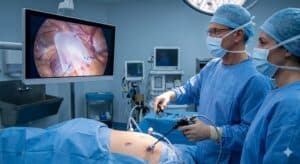
Laparoscopic surgery is one of the most common minimally invasive methods. Instead of opening up a large section of the abdomen, surgeons insert a small camera through a thin tube and use other slender instruments to perform the repair. This allows them to view the internal area on a screen and repair the weakened tissue with precision. The smaller incisions not only reduce visible scarring but also lower the risk of infection.
Another technique gaining recognition is robotic assisted surgery. Here, a specialized robotic system helps the surgeon control small instruments with incredible accuracy. The system translates the surgeon’s movements into precise, steady actions inside the body. This method offers even more control and allows surgeons to navigate areas that are hard to reach during traditional surgery. Patients often experience less pain and a faster return to normal activities.
Mesh Placement and Tissue Reinforcement
A critical step in many repairs involves strengthening the weakened area with a mesh material. This mesh acts like a supportive patch and reinforcing the muscle wall to prevent recurrence. The way it is placed varies depending on the hernia’s location but the principle remains the same to provide long term support and encourage natural tissue growth around it. Surgeons now use meshes designed to integrate smoothly with the body, reducing complications and promoting healing.
Recovery and Healing Experience
Recovery from minimally invasive surgery is typically much easier than recovery with open procedures. Patients are often encouraged to walk within hours, and many return home the same day. Soreness may linger, but it is usually mild and manageable. Most people resume their usual routines within a week or two, though it always depends on the body’s natural pace of healing. The reduced scarring and shorter recovery time make a noticeable difference for those who live active lives.
Comparing Minimally Invasive and Traditional Surgery
While the idea of minimally invasive surgery sounds appealing, it is not the right option for everyone. The size, location, and complexity of the hernia, along with the patient’s overall health, play crucial roles in determining which method is best. Still, understanding how these two approaches differ can help patients make more informed choices.
Surgical Impact and Patient Comfort
Traditional open surgery involves a single, larger incision through which the surgeon repairs the hernia directly. This allows for clear access to the affected area but comes with drawbacks, such as greater tissue trauma and longer healing time. Minimally invasive surgery, by contrast, uses several small incisions. Since there is less disruption to surrounding tissue, patients typically feel less post operative pain and recover more quickly.
The emotional aspect of surgery also matters. Patients who are nervous about scarring or a lengthy recovery often feel more at ease knowing that minimally invasive methods limit visible traces and discomfort. For many, this means returning to work, family, and exercise routines sooner, with less concern about physical limitations.
Precision and Long‑Term Outcomes
Minimally invasive approaches tend to offer greater visual clarity for surgeons through high definition imaging, allowing for more precise repairs. The smaller instruments can reach areas that are difficult to access with traditional techniques, particularly for recurrent or complex hernias. Several studies have shown that recurrence rates are often similar or even lower with these modern methods compared to older ones, especially when performed by experienced surgeons.
Still, traditional surgery remains vital in certain cases. Large or strangulated hernias, where the intestine or tissue becomes trapped, may require a more direct approach. For these patients, the goal shifts from cosmetic or comfort benefits to ensuring a safe, immediate repair. What matters most is matching the right technique to the patient’s specific condition.
Moving Forward with Confidence
The emergence of minimally invasive options has reshaped how hernias are treated, giving patients more confidence in their recovery and long term health. These methods shorten hospital stays, lessen pain, and encourage faster healing without compromising safety or stability. The decision, however, still depends on a thorough consultation with a qualified surgeon who can assess the hernia’s specifics and recommend the most effective plan.
Learning more about these treatments helps individuals take ownership of their health journey. What once required a long rest and visible scars can now be approached with smaller steps and a gentler recovery. As techniques continue to evolve, minimally invasive surgery reflects a broader trend in modern medicine that values precision, compassion, and patient comfort equally.
For those living with the discomfort or uncertainty of a hernia, reaching out for medical advice can be the first step toward relief. Understanding the available options not only reduces worry but also paves the way to a smoother, more confident path toward healing.
