

Natural Stone Tile Collection vs Porcelain Tile: Which Offers Greater Durability?
Choosing the right tile for your home improvement project can be a daunting task, especially when durability is a top priority. Whether you’re designing a high-traffic kitchen or a serene bathroom, understanding the strengths of different tile materials is crucial. In this article, we’ll compare two popular options: the Natural Stone Tile Collection and porcelain tiles. We’ll delve into their composition, wear resistance, and maintenance requirements to help you make an informed decision.
Natural Stone Tile Collection vs Porcelain Tile: A Durability Showdown
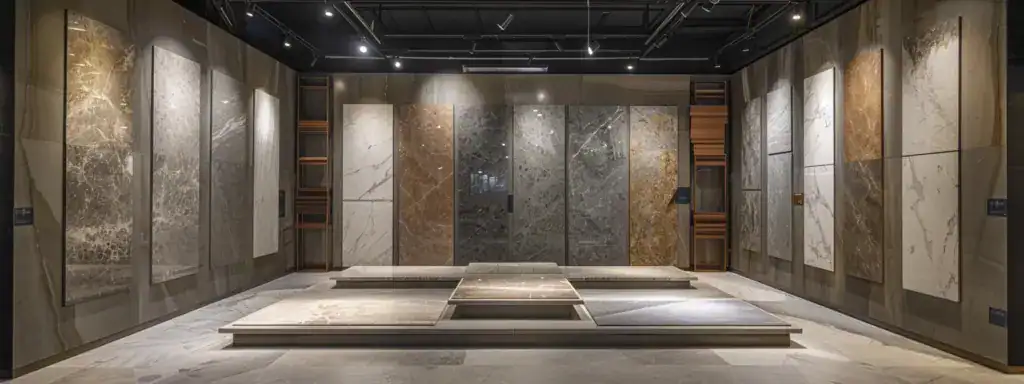
The choice between natural stone and porcelain tiles often boils down to their distinct characteristics. Natural stone tiles, sourced directly from quarries, include varieties such as granite, marble, and limestone. These tiles are renowned for their unique patterns and timeless appeal. On the other hand, porcelain tiles, made from refined clay and fired at high temperatures, offer a different set of benefits. They are engineered to mimic natural stone while providing exceptional hardness and water resistance.
When considering durability, it’s important to look at the specific conditions of the area where the tiles will be installed. For instance, porcelain tiles are highly resistant to moisture, making them ideal for bathrooms or other wet areas. Conversely, natural stone tiles, while robust, may require sealing to enhance their resilience against stains and water damage.
Comparing the Composition and Structure of Natural Stone and Porcelain Tiles
The inherent composition of natural stone tiles contributes significantly to their durability. Granite, for example, is one of the hardest stones available, making it an excellent choice for high-traffic areas. The unique mineral composition of each stone type also creates a varied aesthetic, which can be a major advantage when crafting a mood board for your interior design project.
Porcelain tiles, in contrast, are known for their uniformity and density. The manufacturing process involves fine clay particles and high-temperature firing, resulting in a product that is less porous and more durable than many natural stones. This structural integrity makes porcelain a strong contender in terms of durability, especially in environments subject to heavy use and moisture.
Evaluating the Wear Resistance and Longevity of Natural Stone Tiles
Natural stone tiles offer remarkable longevity, often outlasting other materials when properly maintained. The wear resistance of these tiles can vary based on the stone type and finish. For example, a polished marble floor will show wear more quickly than a honed finish due to its smoother surface. However, with proper care, such as routine sealing and cleaning, natural stone can retain its beauty for decades.
Porcelain tiles also boast significant wear resistance, thanks to their hard surface and resistance to scratches and chips. This makes them an excellent choice for spaces like kitchens and entryways, where heavy foot traffic is common. Additionally, porcelain’s color-through composition ensures that even if a tile does chip, the damage is less noticeable, adding to its longevity.
Assessing Maintenance Requirements and Environmental Impact of Both Tile Types
Maintenance is a key consideration when selecting tiles for your home. Natural stone tiles require more attention, as they need to be sealed periodically to maintain their resistance to moisture and stains. This process can be integrated into your installation schedule to ensure long-term durability.
Porcelain tiles, in contrast, are low-maintenance, requiring only regular sweeping and mopping to keep them looking pristine. Their non-porous surface does not need sealing, making them a convenient choice for busy households. From an environmental perspective, both tile types have their merits. Natural stone is a sustainable resource when sourced responsibly, while porcelain’s extended lifespan can offset its energy-intensive production process.
Conclusion

The decision between the Natural Stone Tile Collection and porcelain tiles ultimately depends on your specific needs and preferences. While natural stone offers unmatched beauty and uniqueness, porcelain provides ease of maintenance and exceptional durability. By considering factors such as location, use, and aesthetic goals, you can choose the tile that best fits your home improvement project.
