

Network Resilience: Using Strategic Staffing to Combat Clinical Burnout
Burnout has become one of the most pressing challenges in healthcare. Long hours, high patient volumes, and emotional strain can take a serious toll on staff members. While resilience is often discussed at an individual level, healthcare facilities are increasingly realizing that system-wide strategies are just as important. Building a strong, adaptable staffing network is one of the most effective ways to support both providers and patients.
Many facilities are turning to flexible workforce solutions, like help from Weatherby Healthcare, to ease the burden on their teams. By supplementing in-house staff with qualified professionals, facilities can create breathing room in demanding schedules. This kind of support not only helps prevent burnout but also ensures that patient care remains consistent and reliable.
Understanding the Root Causes of Burnout
Before addressing burnout, it’s important to understand what drives it. Heavy workloads, staffing shortages, and limited recovery time are some of the most common factors. Administrative burdens and lack of support can add even more pressure.
When clinicians are consistently stretched too thin, their ability to perform at their best begins to decline. Over time, this can impact both their well-being and the quality of care they provide. Addressing these root causes requires a thoughtful and proactive approach to staffing.
Building a Flexible Staffing Framework
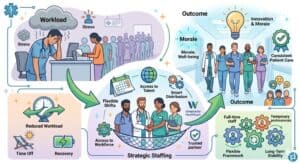
A resilient staffing network is one that can adapt quickly to changing conditions. That means having access to a mix of full-time staff, temporary professionals, and on-demand support. Strategic staffing allows healthcare organizations to fill gaps without overloading their core teams. Whether it’s covering seasonal surges or unexpected absences, having flexible options in place makes it easier to maintain balance. This adaptability is key to reducing stress across a facility’s workforce.
Reducing Workload With Smart Staff Distribution
One of the most effective ways to combat burnout is by distributing workloads more evenly. When staffing levels are aligned with patient demand, staff members are less likely to feel overwhelmed. By using scheduling tools and data insights, facilities can identify peak times and adjust their staffing accordingly. Bringing in additional support during these periods helps prevent bottlenecks and ensures that no single team member is carrying too much of the load.
Supporting Recovery and Time Off
Rest and recovery are essential for long-term sustainability in healthcare roles. However, many clinicians are unable to take time off due to staffing shortages. Strategic staffing solutions make it easier for providers to step away when needed. By ensuring coverage is available, facilities can encourage regular breaks and vacations without compromising patient care or other staff members’ well-being. That contributes to a healthier, more engaged workforce.
Improving Team Morale
When clinicians feel supported, their morale improves. Knowing help is available during busy periods can reduce anxiety and create a more positive work environment. Temporary staff members and external partners can also bring fresh perspectives and energy to a team. When they’re integrated effectively, they improve collaboration and help maintain a steady workflow, even during challenging times.
Building Long-Term Stability
Addressing burnout isn’t just about short-term relief; it’s about building systems that support long-term success. Strategic staffing plays a crucial role in creating that stability. By investing in flexible solutions and prioritizing workforce well-being, healthcare organizations can develop a more resilient network. That not only benefits clinicians but also leads to better outcomes for patients.
Battling Burnout From Multiple Angles
Combating clinical burnout requires more than individual resilience. It takes a coordinated, system-level response. Strategic staffing offers a practical and effective way to reduce pressure, improve morale, and maintain high standards of care. As healthcare continues to evolve, organizations that prioritize flexibility and support will be better equipped to navigate challenges as they arise. In the end, a workforce that’s supported adequately is the foundation of a strong and resilient healthcare system.
