

Understanding and Preventing Slips, Trips, and Falls in the Workplace
Key Takeaways
- Slips, trips, and falls frequently lead to severe workplace injuries and deaths.
- Hazards such as wet floors, poor lighting, and cluttered walkways are common contributors.
- Employers must provide a safe workplace and address risks promptly.
- Employees have rights to report hazards and are eligible for compensation if injured.
- Preventive action and safety training dramatically lower the risk of incidents.
Slips, trips, and falls are some of the most prevalent causes of injuries at work, accounting for a significant portion of workplace harm and related financial losses. By being aware of these risks and knowing your rights, both employers and employees can not only prevent incidents but also be equipped for the correct course of action if an accident does occur. For more support and legal guidance, you can visit stoneinjurylawyers.com for further information.
These types of incidents might seem simple, but their consequences range from minor bruises to serious injuries and even fatalities. A comprehensive approach, including risk identification and ongoing safety education, is crucial to creating a safe work environment and protecting everyone on the job.
Understanding Slips, Trips, and Falls
A slip often takes place when the traction between footwear and the floor is reduced, frequently because of water or oil spills. Tripping typically occurs when a person’s foot catches on an object, leading to a loss of balance. Falls are the result, and these can happen from an elevated height or even on level ground. According to the Occupational Safety and Health Administration (OSHA), slips, trips, and falls make up around 15% of all workplace fatalities, a figure that underscores the need for awareness and proper preventive measures.
Recognizing the sources and correcting hazards are the first steps in reducing the occurrence of these injuries. Companies that invest in training and consistent safety procedures can make a significant difference in their workplace safety record.
Common Causes of Workplace Incidents
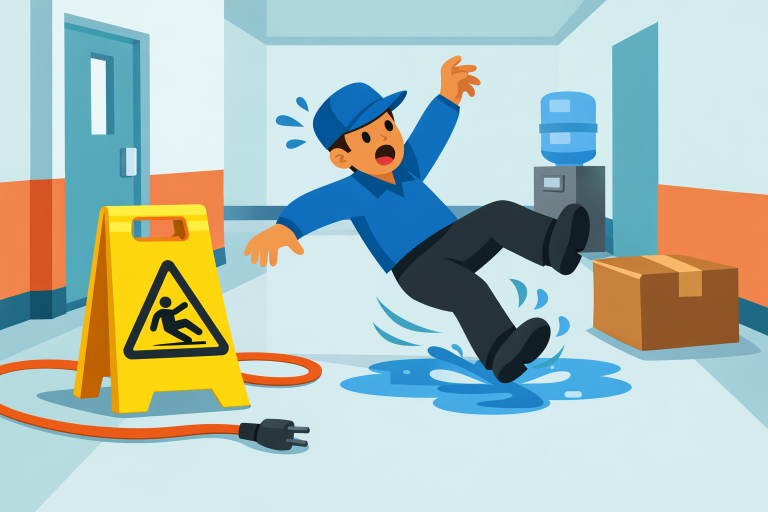
A variety of environmental and behavioral factors contribute to the risk of slips, trips, and falls:
- Wet or Slippery Floors: Water or oil spills, as well as floor cleaning, increase slip risks dramatically.
- Uneven Surfaces: Cracked, damaged, or irregular flooring and loose rugs can easily lead to trips.
- Poor Lighting: Inadequate light makes it harder to notice hazards that cause slips and trips.
- Cluttered Walkways: Cords, boxes, tools, and debris block clear walking paths and create risks.
- Improper Footwear: Shoes without sufficient grip can raise the chances of slipping, especially on smooth or damp surfaces.
Addressing these potential hazards proactively lowers the risk of injury and helps foster a safer workplace for everyone. According to the National Safety Council, ongoing attention to these details can have a measurable impact on workplace safety statistics. Employers should also encourage employees to report hazards immediately and participate in regular safety reviews. Establishing clear housekeeping procedures, conducting routine inspections, and promoting awareness throughout the organization can reduce preventable incidents and strengthen an overall culture of workplace safety.
Employer Responsibilities and Legal Obligations
The law requires employers to create and maintain a safe workspace for their employees. Their obligations include:
- Regular risk assessments to locate hazards before they cause harm.
- Installing safety measures, like non-slip mats and sufficient lighting, wherever needed.
- Offering thorough training so all employees recognize hazards and know how to prevent them.
- Quickly addressing spills and maintaining walkways and equipment.
Neglecting these responsibilities can lead to costly legal action, regulatory fines, or both. Employers should also maintain accurate records of inspections, incident reports, and corrective actions taken to address safety concerns. Open communication between management and staff is essential to identifying recurring risks and improving prevention strategies. Demonstrating a consistent commitment to workplace safety not only supports compliance but also contributes to employee trust, morale, and productivity.
Employee Rights and Reporting Procedures
All employees have the right to expect a safe work environment. The most critical rights include:
- The right to a hazard-free workplace.
- Access to safety education and instructional resources for accident prevention.
- The ability to report hazardous conditions and unsafe practices without retribution.
- Permission to review injury and illness records relevant to the workplace.
- The right to file complaints with regulatory agencies if conditions do not improve or legal requirements are not met.
Effective reporting procedures empower employees to raise concerns, and prompt follow-up by management is essential for closing safety gaps. For comprehensive guidelines on employee rights and complaint procedures, visit the U.S. Occupational Safety and Health Administration.
Preventive Measures and Safety Training
Prevention is the best defense against slips, trips, and falls. Some key preventive strategies are:
- Housekeeping: Routine cleaning and keeping walkways clear of obstructions.
- Maintenance: Inspecting and repairing flooring, stairs, and lighting as needed.
- Signage: Clearly marking wet or unsafe areas with warning signs.
- Proper Footwear: Encouraging or requiring non-slip, supportive shoes.
- Safety Education: Ongoing training in hazard identification and best practices in safety.
Case Studies: Real-Life Incidents and Outcomes
In one scenario, a retail employee slipped on a freshly mopped floor that did not have a warning sign. The worker suffered a broken wrist, and a subsequent investigation resulted in a new protocol for safety signage and compensation for the employee’s injuries.
Another case involved a construction worker tripping over unsafely placed equipment. The employer was held responsible for failing to keep walkways clear, leading to fines and mandatory company-wide training on safety standards.
Conclusion
Recognizing the dangers associated with slips, trips, and falls, understanding your rights, and fulfilling your responsibilities are foundational steps in reducing workplace injuries. The shared commitment of employers and employees is necessary for spotting hazards, putting effective preventive strategies into practice, and complying with safety laws to minimize accidents and injuries in the workplace.
