

Data-Driven Tactics for Consistently Successful Digital Marketing Campaigns
Table of Contents
- Understanding Data-Driven Marketing
- Key Components of a Data-Driven Strategy
- Implementing Data-Driven Tactics
- Overcoming Common Challenges
- Measuring Success and Optimizing Campaigns
- Conclusion
As the digital marketplace grows more competitive, the ability to leverage data is transforming how businesses connect with consumers. Data-driven marketing empowers organizations to make informed decisions, enabling finely-tuned campaign strategies grounded in evidence rather than assumptions. Harnessing consumer insights, behaviors, and preferences provides an essential edge, allowing marketers to craft tailored communications that drive results more reliably. For brands seeking innovation and efficiency, exploring generative AI integration services is increasingly becoming a cornerstone in the pursuit of digital marketing success.
Understanding and applying data-driven tactics not only increases engagement and conversions but also ensures marketing budgets are invested wisely. Businesses that prioritize analytics are better equipped to deliver relevant content and experiences, which in turn fuel long-term loyalty and growth. By letting data inform every aspect of a campaign, organizations can move confidently in a fast-shifting landscape where adaptability is critical.
This guide provides an in-depth look at the foundational concepts, practical implementations, common challenges, and measurement frameworks required for data-first digital campaigns that yield consistent results.
Understanding Data-Driven Marketing
Data-driven marketing centers on gathering actionable insights from customer data to inform and refine campaign strategies. Unlike traditional marketing methods that rely on broad assumptions, data-driven approaches pinpoint exactly who your customers are, what they value, and how they interact with your brand across platforms. With access to rich streams of information such as user demographics, purchase history, and real-time behavior, businesses can uplift marketing efficiency and relevance at each stage of the customer journey.
According to an analysis of trends reported by Forbes, marketers who use data-driven frameworks experience higher conversion rates, stronger customer engagement, and increased ROI compared to their peers who don’t. By leveraging predictive analytics and customer segmentation, brands can achieve a higher degree of personalization, fostering trust and measurable performance gains.
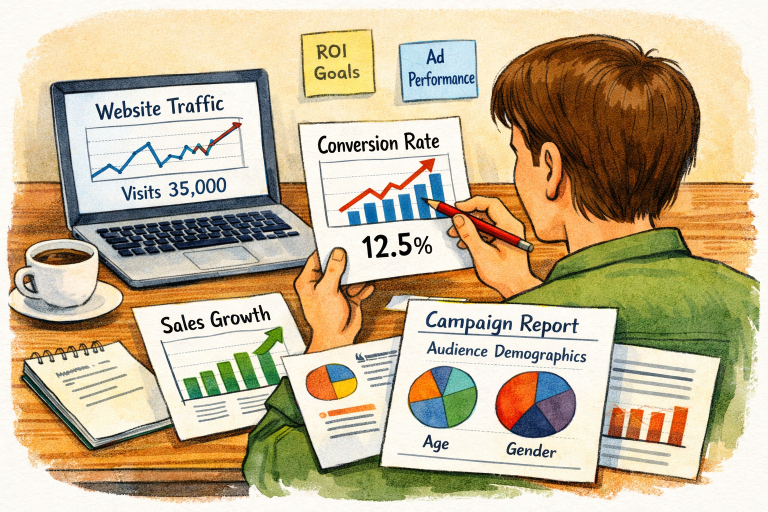
Key Components of a Data-Driven Strategy
Building a successful data-driven marketing strategy involves several critical elements that work together to create a cohesive and responsive campaign.
- Data Collection: Aggregating data from website analytics, social media platforms, customer surveys, and purchase records establishes a robust foundation for insight gathering.
- Data Analysis: Application of statistical and analytical tools enables marketers to discern patterns within the data, revealing opportunities and potential weaknesses in current approaches.
- Segmentation: Organizing audiences into distinct groups based on data characteristics such as behavior, location, age, or interests allows for hyper-targeted messaging.
- Personalization: Once audiences are segmented, marketers can deliver highly relevant and contextualized messages that speak directly to the needs and desires of each audience group.
- Measurement and Optimization: Ongoing monitoring of campaign performance, coupled with iterative adjustments, ensures resources are allocated efficiently and maximum value is extracted from marketing spend.
Implementing Data-Driven Tactics
Getting started with data-driven marketing involves clear action steps that translate the benefits of data into tangible business outcomes:
- Set Clear Objectives: Start by establishing well-defined goals for your campaigns, whether that’s increasing website traffic, boosting conversions, or growing brand awareness. Clear objectives shape how data is collected and analyzed.
- Choose the Right Tools: Identify analytics, CRM, and marketing platforms that fit your organizational goals and scale effectively with your growth. Evaluate both functionality and integration capability before investing.
- Integrate Data Sources: Create a unified view of your customers by consolidating data from multiple touchpoints, ensuring more accurate insights and cohesive messaging across campaigns.
- Develop Targeted Content: Use your segmentation and analysis to create content that resonates deeply with each audience group. Tailor emails, ads, and landing pages to reflect varying consumer motivations and contexts.
- Test and Refine: Implement A/B testing, track performance metrics, and fine-tune campaigns based on concrete data rather than assumptions or gut feelings.
Overcoming Common Challenges
Despite the numerous advantages, organizations often confront challenges in managing and making sense of large data sets. Data quality, privacy considerations, and team expertise are among the most common obstacles.
- Ensure Data Accuracy: Regular data validation and hygiene practices are vital to eliminate inaccuracies and duplications that can misguide strategy.
- Comply with Regulations: Adhering to laws such as the GDPR or CCPA protects your organization and builds customer trust around data handling practices. Transparency about data collection and use is crucial.
- Invest in Training: Providing ongoing education for teams helps ensure that data is interpreted accurately and insights translate into actionable strategies. Consider both in-house training and certification programs for marketing analytics.
For a deeper dive into best practices on data privacy and compliance, the CIO’s guide to GDPR compliance is a valuable reference for marketers worldwide.
Measuring Success and Optimizing Campaigns
Continual measurement is essential to optimizing data-driven campaigns. This not only quantifies results but also uncovers new opportunities for improvement:
- Define Key Performance Indicators (KPIs): Identify metrics that reflect your marketing objectives, such as click-through rates, conversion rates, or average order value.
- Monitor Performance: Utilize analytics dashboards and reporting tools for real-time and longitudinal performance tracking.
- Analyze Results: Perform regular assessments to determine which strategies are effective and which areas need adjustment.
- Optimize Strategies: Use insights gained to pivot messaging, adjust budgets, and experiment with new approaches for improved outcomes going forward.
Conclusion
Leveraging data-driven tactics is no longer optional for digital marketers seeking to maintain relevance and deliver exceptional results. By establishing robust frameworks for data collection, analysis, segmentation, and personalization, marketers not only drive higher engagement and conversion but also build trust and brand authority in a crowded digital landscape. The future of marketing lies in those who can translate numbers into meaningful connections, constantly evolving in tandem with fast-moving customer expectations.
