

Maximizing Equity: A Strategic Guide To Motorcycle Asset Liquidation
Selling a motorcycle isn’t just about getting rid of something you no longer ride. It’s about walking away with as much value as possible from an asset you’ve invested in. Whether you’re upgrading, downsizing, or just cashing out, the way you approach the sale makes a real difference in what ends up in your pocket.
Know What You Have Before You Sell
You’ll often find that trading in an old motorcycle at a dealership is quick and easy, but it’s rarely the most profitable route. Before you go that direction, take time to understand what your bike is actually worth on the open market. Check listings on Cycle Trader, Facebook Marketplace, and Craigslist to see what comparable models are selling for in your region. Condition, mileage, and modifications all affect your number. Get a realistic picture first.
Timing The Market
Seasonality matters more than most sellers realize. Motorcycles move faster and sell for more in spring and early summer when buyers are actively looking, and dealer inventory hasn’t yet caught up with demand. If you’re sitting on a bike in November, you might consider holding it a few months. Patience can be worth hundreds of dollars. That said, if you need liquidity now, price accordingly and move on.
Preparing Your Bike For Maximum Value
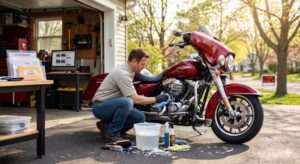
First impressions drive offers. Here’s where to focus your prep energy:
- Clean the bike thoroughly, including the engine and undercarriage
- Address small mechanical issues that could give buyers a reason to negotiate down
- Gather all documentation: title, service records, original manuals if you have them
- Take high-quality photos in natural light from multiple angles
You don’t need a showroom-quality restoration. You just need the bike to look like it’s been cared for. That perception alone can shift a buyer’s offer upward.
Private Sale Vs. Dealer Vs. Auction
Each exit path has its tradeoffs. A private sale typically yields the highest return but requires more time, effort, and a tolerance for tire-kickers. Dealers offer convenience and speed but will factor in their margin, so expect a lower number. Online auction platforms like eBay Motors can work well for rare or collectible bikes where competitive bidding drives up the price.
Know your priority. If speed matters most, go dealer. If maximum return is the goal, go private. If you have something niche, consider auction.
Negotiation Is Not Optional
Buyers will negotiate. Expect it, prepare for it, and don’t take it personally. Set your asking price slightly above your target to give yourself room. Know your walk-away number before the conversation starts. Counteroffers are normal. A buyer pushing hard often means they actually want the bike.
Handling The Paperwork Correctly
A clean title transfer protects you after the sale. Sign the title correctly, remove your insurance immediately after the transaction, and report the sale to your state’s DMV if required. Keep a written bill of sale with the buyer’s information, the agreed price, and the date. Simple steps, but skipping them can create headaches down the road.
The Bottom Line
Liquidating a motorcycle asset well comes down to preparation, timing, and knowing your options. You don’t have to accept the first offer or the easiest route. Take a little extra time upfront, and you’ll almost always come out ahead. The equity is there. It’s just a matter of capturing it.
