

The Best Cross-Border Payment Solutions for Businesses in 2026
As global commerce continues to expand, businesses are no longer limited by geography. Companies of all sizes now work with international clients, suppliers, and partners, making cross-border payments a routine part of operations. Many organisations rely on Finmo’s cross-border payment solutions to streamline transactions, reduce costs, and improve speed and transparency. However, sending and receiving money across countries still comes with challenges such as high fees, slow processing times, and fluctuating exchange rates.
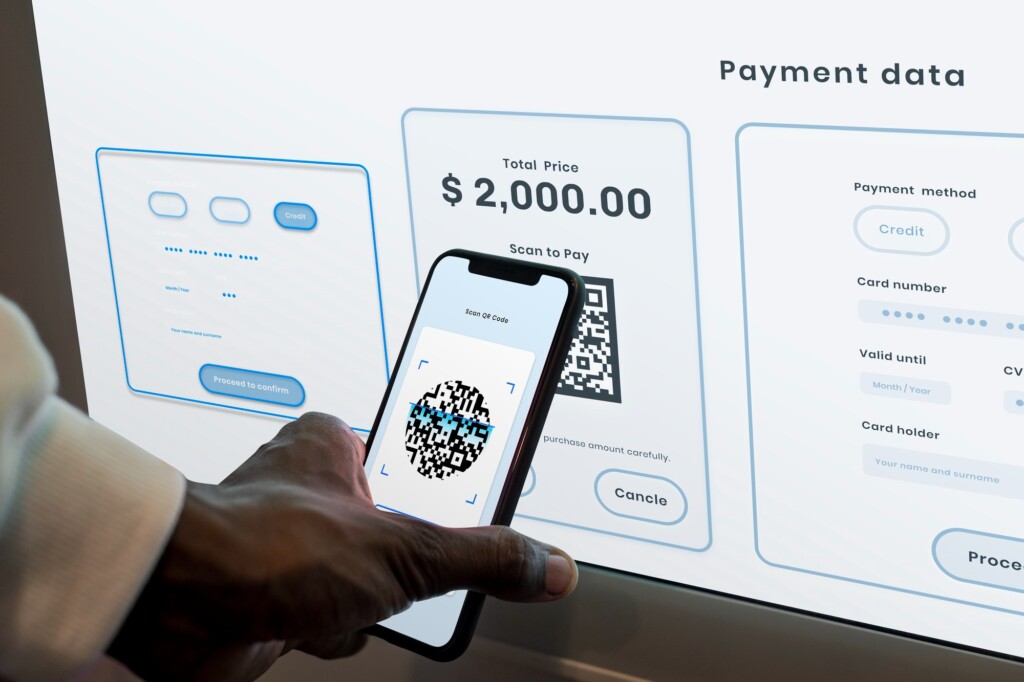
This is where modern cross-border payment solutions come in. These platforms are designed to simplify international transactions, reduce costs, and improve speed and transparency. In 2026, businesses have more options than ever, but choosing the right solution requires a clear understanding of how these systems work and what features truly matter.
Why Cross-Border Payments Are Still a Challenge?
Despite advances in financial technology, international payments can still be complex. Traditional banking systems often involve multiple intermediaries, each adding processing time and additional fees. Currency conversion also plays a major role, with exchange rate markups affecting the final amount received.
Delays are another issue. Transactions can take several days to settle, which can disrupt cash flow and create uncertainty for both businesses and their partners. These challenges highlight the importance of choosing a payment solution that addresses these limitations effectively.
What Makes a Good Cross-Border Payment Solution?
A reliable cross-border payment solution should prioritise speed, cost efficiency, and transparency. Businesses need to know how much they are paying in fees, how long transactions will take, and what exchange rate is being applied.
Ease of use is equally important. Platforms should offer intuitive interfaces, simple payment processes, and integration with existing accounting or financial systems. Security is another key factor, as international transactions require strong protection against fraud and data breaches.
The best solutions combine all of these elements to create a seamless payment experience.
Popular Platforms Businesses Are Using
Several platforms have emerged as leading options for cross-border payments. Services like Wise are known for transparent pricing and real exchange rates, making them a popular choice for small to medium-sized businesses.
Payoneer is widely used by freelancers and businesses that receive payments from international marketplaces, offering flexible withdrawal and payment options.
Another well-known option is PayPal, which provides global reach and ease of use, although fees can be higher compared to some alternatives.
For larger businesses, solutions like Airwallex offer more advanced features, including multi-currency accounts, local payment rails, and integration with business systems.
Each platform has its strengths, and the best choice depends on the specific needs of the business.
Speed and Transaction Efficiency
Speed is one of the biggest advantages of modern cross-border payment solutions. Many platforms now offer same-day or next-day transfers, significantly reducing the waiting time compared to traditional banks.
Faster payments improve cash flow and allow businesses to operate more efficiently. Suppliers can be paid on time, and incoming funds can be accessed quickly, reducing financial bottlenecks.
For businesses dealing with high transaction volumes, even small improvements in speed can make a noticeable difference.
Managing Costs and Exchange Rates
Cost management is a major factor when choosing a payment solution. Fees can vary widely between providers, including transaction fees, currency conversion costs, and hidden charges.
Some platforms offer transparent pricing with real-time exchange rates, while others include markups that are not immediately visible. Understanding how fees are structured helps businesses avoid unexpected costs.
Over time, choosing a cost-effective solution can result in significant savings, particularly for companies handling frequent international transactions.
Integration with Business Operations
Modern payment solutions are designed to integrate with other business tools such as accounting software, invoicing systems, and enterprise resource planning platforms. This integration helps automate processes, reduce manual work, and improve accuracy.
Automation can handle tasks like payment tracking, reconciliation, and reporting, making financial management more efficient. For growing businesses, having integrated systems is essential for scaling operations smoothly.
A well-integrated payment solution becomes part of the overall financial ecosystem rather than a separate process.
Security and Compliance
Security remains a top priority in cross-border payments. Businesses need to ensure that their transactions are protected against fraud and that their data is handled securely.
Reputable payment platforms use encryption, multi-factor authentication, and compliance with international financial regulations to protect users. Compliance is particularly important when dealing with different countries, each with its own financial rules and requirements.
Choosing a trusted provider reduces risk and ensures that transactions are handled safely.
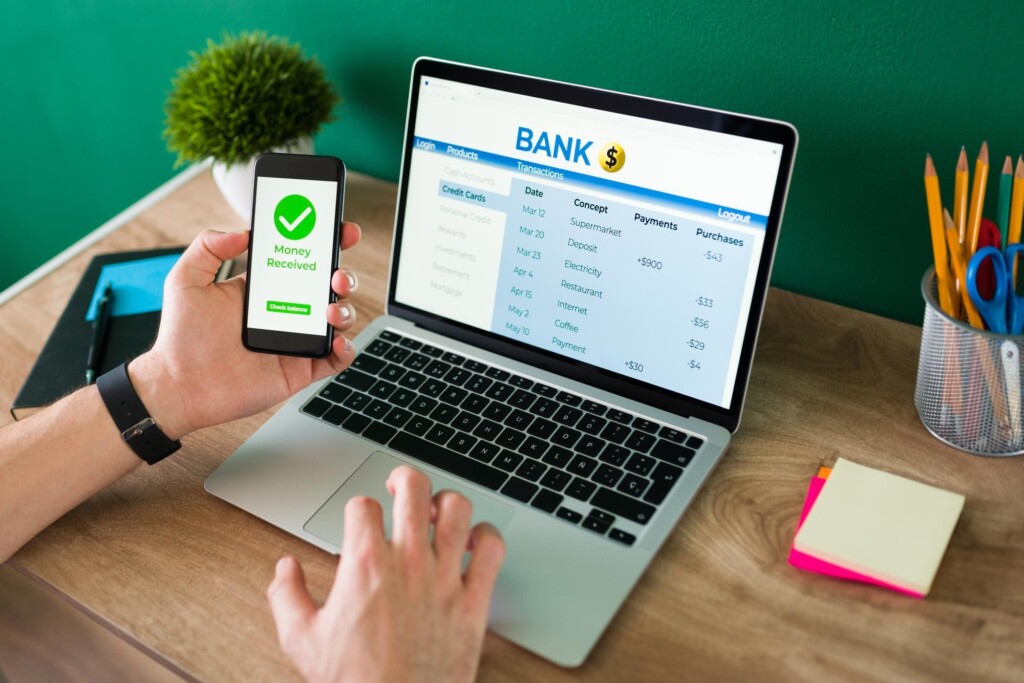
Choosing the Right Solution for Your Business
The best cross-border payment solution depends on several factors, including transaction volume, target markets, and business size. Smaller businesses may prioritise simplicity and low fees, while larger organisations may need advanced features and integration capabilities.
It is important to evaluate how the platform aligns with your business model. Consider factors such as supported currencies, payment methods, speed, and overall cost structure.
Taking the time to compare options helps ensure that the chosen solution supports both current needs and future growth.
Conclusion
Cross-border payment solutions have evolved significantly, offering businesses faster, more cost-effective, and transparent ways to manage international transactions. By choosing the right platform, companies can reduce fees, improve cash flow, and streamline their financial operations.
As global business continues to grow, having an efficient payment system is no longer optional. It is a critical part of staying competitive and maintaining strong relationships with international partners.
Investing in the right cross-border payment solution allows businesses to operate with greater confidence and efficiency in an increasingly connected world.
FAQs
What is a cross-border payment solution?
It is a platform or service that allows businesses to send and receive payments internationally more efficiently.
Which platform is best for small businesses?
Platforms like Wise and Payoneer are popular due to their lower fees and ease of use.
Are cross-border payments expensive?
Costs vary depending on the provider, but modern solutions aim to reduce fees and offer transparent pricing.
How long do international payments take?
Many modern platforms offer same-day or next-day transfers, depending on the destination and payment method.
