

Empowering Independent Living: The Role of Medical Alert Systems for Seniors
Key Takeaways
- Medical alert systems offer fast access to help, substantially enhancing safety for seniors living independently.
- Built-in features like fall detection and GPS tracking enable seniors to remain active with greater confidence.
- These systems promote peace of mind for both seniors and families, making independent living a viable choice.
Maintaining independence is a top priority for many seniors, but consistent concerns about personal safety and the ability to summon help quickly can become barriers. Many families are now turning to tools like medical care alert systems to foster autonomy, while ensuring a reliable safety net is close at hand during emergencies. These solutions are enabling older adults to confidently remain in their own homes, benefiting everyone’s peace of mind.
Medical alert systems can transform daily life for seniors, especially those living alone. The reassurance of immediate aid reduces everyday anxieties, empowering seniors to participate more fully in activities they love. This technology is part of a growing trend of senior-home innovations that support aging in place and overall well-being with minimal disruption.
Understanding Medical Alert Systems
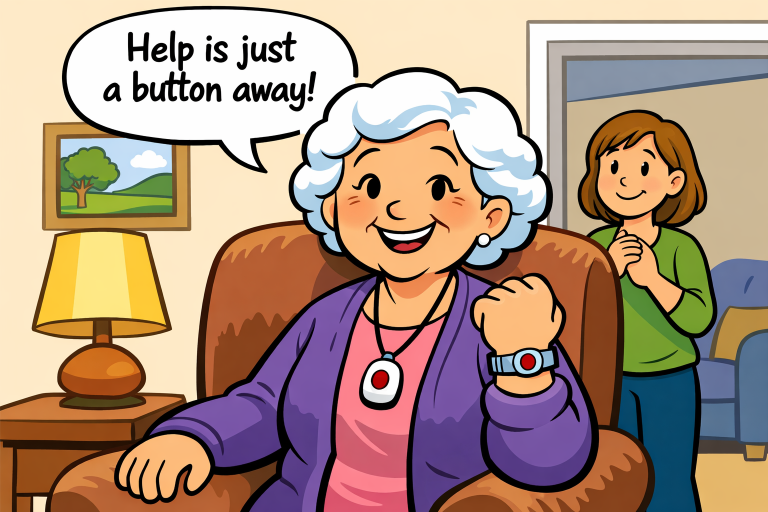
Medical alert systems are specialized devices that immediately signal for help in the event of an accident, fall, or health episode. The most common form is a small, wearable button, either a pendant or a wristband, that connects the user directly to a 24/7 emergency monitoring center. Many of today’s systems go further by including automatic fall detection, GPS location tracking, and two-way audio communication, providing a secure lifeline whenever and wherever help is needed.
Understanding how these systems function can help families make informed decisions. When the help button is pressed, the monitoring center assesses the situation and can contact family, neighbors, or emergency services, depending on the user’s needs. The goal is not just emergency response, but the ongoing protection and liberty to live independently.
Enhancing Safety and Confidence
Living alone comes with certain risks, particularly falls, which are among the leading causes of injury in older adults according to the Centers for Disease Control and Prevention. Medical alert systems alleviate these fears by providing a quick, reliable connection to assistance, reducing the hesitation many seniors feel about conducting everyday activities. As noted by AARP, knowing that help is only a button away often encourages seniors to maintain a more active, engaged lifestyle free from excessive worry.
Supporting Active Lifestyles
Today’s medical alert systems offer robust features for seniors who wish to stay active outside their homes. GPS-enabled devices let users take walks in the park, visit friends, or travel—while staying protected. Should a user experience a fall or disorientation, the monitoring center can pinpoint their location and send help. This is a pivotal benefit for independent seniors who want to retain activity without sacrificing security.
Providing Peace of Mind for Families
Concerns about elderly loved ones living alone are common among families. Medical alert systems bridge the gap between independence and the care needed. Knowing that their family member has a system that can immediately alert emergency contacts or authorities helps family members take comfort in their loved one’s choice to age in place. This peace of mind fosters a healthy balance between freedom and necessary oversight, benefiting relationships and the senior’s quality of life.
Choosing the Right System
Finding the right medical alert system involves several important considerations:
- Features: Decide which features are indispensable, such as automatic fall detection, GPS tracking, or two-way voice support.
- Cost: Evaluate upfront equipment fees and any ongoing monthly charges to ensure affordability over the long term.
- Ease of Use: Choose a device that is straightforward to use, taking the user’s comfort and technical skills into account.
- Reliability: Research service reviews and guarantee that customer support and emergency response are prompt and dependable.
It is wise to read consumer reviews and request a demo to confirm that the chosen system aligns with the senior’s individual needs.
Integrating Technology for Enhanced Independence
Many leading medical alert devices are now integrating with smart home platforms, voice assistants, and mobile apps. This evolution allows seniors to issue voice commands or connect to caregivers through a single device, making the systems even more user-friendly and flexible. For example, modern devices can send alerts to multiple family members or caregivers simultaneously, creating a robust network of support.
As innovations continue, reputable sources such as The New York Times Wirecutter regularly update evaluations of the best medical alert and monitoring devices, helping families stay informed about the latest advancements.
Conclusion
Medical alert systems are redefining what it means to age independently and safely at home. They combine rapid access to professional support with technology that encourages physical activity, travel, and communication. These systems not only safeguard seniors in urgent situations but also support their dignity and independence, increasing overall quality of life. As options expand and technology improves, they are set to play an even more integral role in enabling seniors to thrive on their own terms.
