

5 Tips for Designing Indoor Recreation Spaces
A great indoor recreation space should feel a little noisy in the best way. Sneakers squeak, kids race back to the line, someone laughs after missing a shot, and parents linger because the place feels easy. When a room is designed well, people do not need a map. They walk in and understand how the fun works.
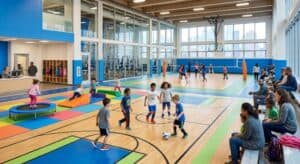
That matters more than many owners realize. A space can have expensive equipment and still feel awkward if the layout is confusing, seating is poor, or rules are unclear.
Plan the Traffic Before the Toys
It is tempting to start with the exciting pieces first, but flow should come before equipment. Guests need a clear path from the entrance to check-in, storage, activity areas, seating, and restrooms.
Watch for bottlenecks. A narrow spot near the front desk or a walkway through a play zone can make the venue feel messy. Staff need sightlines without hovering over guests.
Mix Up the Energy Levels
Not everyone walks in ready to sprint. Some kids want fast games and competition. Others want a softer start. Adults may want to play, then sit where they can still see what is happening.
A good indoor recreation space gives guests a few ways to join in. Open play, small challenge areas, party rooms, and flexible courts can all work together. An air court can turn part of an indoor venue into a lively sports area without making the entire room feel intense.
That mix matters because kids and teens need regular movement, and the physical activity recommendations for children show how active time supports health, focus, and energy.
Make the Rules Obvious
Safety should not feel like a lecture. Most guests just need to know where to go, what age group belongs where, and what behavior is not allowed.
Simple signs help. So do padded edges, visible staff, clear entry points, and play zones that make sense at a glance. If younger kids are near faster games, give them a clear boundary. If special socks or waivers are required, make that information easy to spot.
The goal is not to make the venue feel strict. It is to remove guesswork.
Give Non-Players a Good Visit Too
Parents, grandparents, teachers, and party guests are part of the experience, even when they are not playing. If they are uncomfortable, rushed, or stuck standing in a bad corner, they remember it.
Think about seating, lighting, bathrooms, stroller space, water access, and where adults can watch without blocking traffic. Accessibility should be planned early too. The principles of universal design are a useful reminder that spaces work better when more people can use them comfortably.
Leave Room to Change Things
Indoor recreation spaces get asked to do a lot. One day it is a birthday party. The next day it is a school group, sports session, camp, or open play afternoon. A room that only works one way becomes a headache quickly.
Leave space to move equipment, divide areas, and refresh activities without rebuilding the venue. Storage is not glamorous, but it matters. If staff can reset quickly, everything feels smoother.
The strongest indoor recreation spaces do not feel overdesigned. They feel easy, lively, and ready for real people to use. Start with how guests will move, pause, play, and watch, then let the fun grow from there.
