

Navigating Modern Heating and Cooling Solutions for Your Home
Understanding Modern HVAC Solutions and Annual Maintenance

At its core, HVAC maintenance is about proactive care for your home’s heating, ventilation, and air conditioning system. Just like a vehicle needs regular oil changes and tune-ups, your HVAC system benefits from routine inspections and adjustments to ensure it runs efficiently and reliably. This preventive care is designed to catch minor issues before they escalate into major, costly breakdowns, ultimately extending the system’s lifespan and ensuring consistent comfort. For a deeper dive into what constitutes effective upkeep, understanding the nuances of Precision modern HVAC maintenance can be highly beneficial.
What is Included in a Professional Tune-Up?
A typical annual HVAC service is a comprehensive inspection and cleaning process performed by a certified technician. While specifics can vary, most professional tune-ups encompass a thorough checklist designed to optimize performance and identify potential problems. This often includes:
- Thermostat Calibration: Ensuring your thermostat accurately reads and controls temperatures.
- Electrical Connections: Checking and tightening all electrical connections to prevent hazards and improve efficiency.
- Blower Motor Inspection: Lubricating moving parts and inspecting the blower motor for wear and proper operation.
- Condensate Drain Clearing: Flushing the condensate drain line to prevent clogs, which can lead to water damage and system shutdowns.
- Coil Cleaning: Cleaning the evaporator and condenser coils, which are crucial for heat transfer and efficiency. Dirty coils force the system to work harder, consuming more energy.
- Refrigerant Level Check: Verifying appropriate refrigerant levels, as low levels can indicate a leak and reduce cooling capacity.
- Safety Checks: For furnaces, this includes inspecting the heat exchanger for cracks (which can release carbon monoxide), checking gas connections, and testing safety controls.
- Air Filter Replacement: While often a homeowner task, technicians will confirm the filter’s condition and advise on appropriate MERV ratings.
This detailed attention ensures every component is functioning optimally, contributing to the overall health of your HVAC system.
How Often Should You Service Your System?
The ideal frequency for HVAC maintenance often depends on the type of system, its age, and your local climate. Generally, an annual service is recommended for most standard heating and cooling systems. This typically means one visit in the spring for your air conditioning unit and one in the fall for your furnace.
However, in regions with extreme weather fluctuations, or for systems that run year-round, biannual checks can be highly beneficial. This is particularly true for heat pumps, which provide both heating and cooling. Because heat pumps work continuously throughout the year, they experience more wear and tear, making twice-yearly maintenance a smart investment to prepare them for both cooling and heating seasons. This seasonal timing – spring for AC and fall for heating – helps ensure your system is ready for peak demand, preventing unexpected failures when you need it most.
The Financial and Operational ROI of Modern HVAC Solutions
The return on investment (ROI) for annual HVAC maintenance extends far beyond simply preventing breakdowns. It significantly impacts your home’s operational costs and the longevity of your equipment.
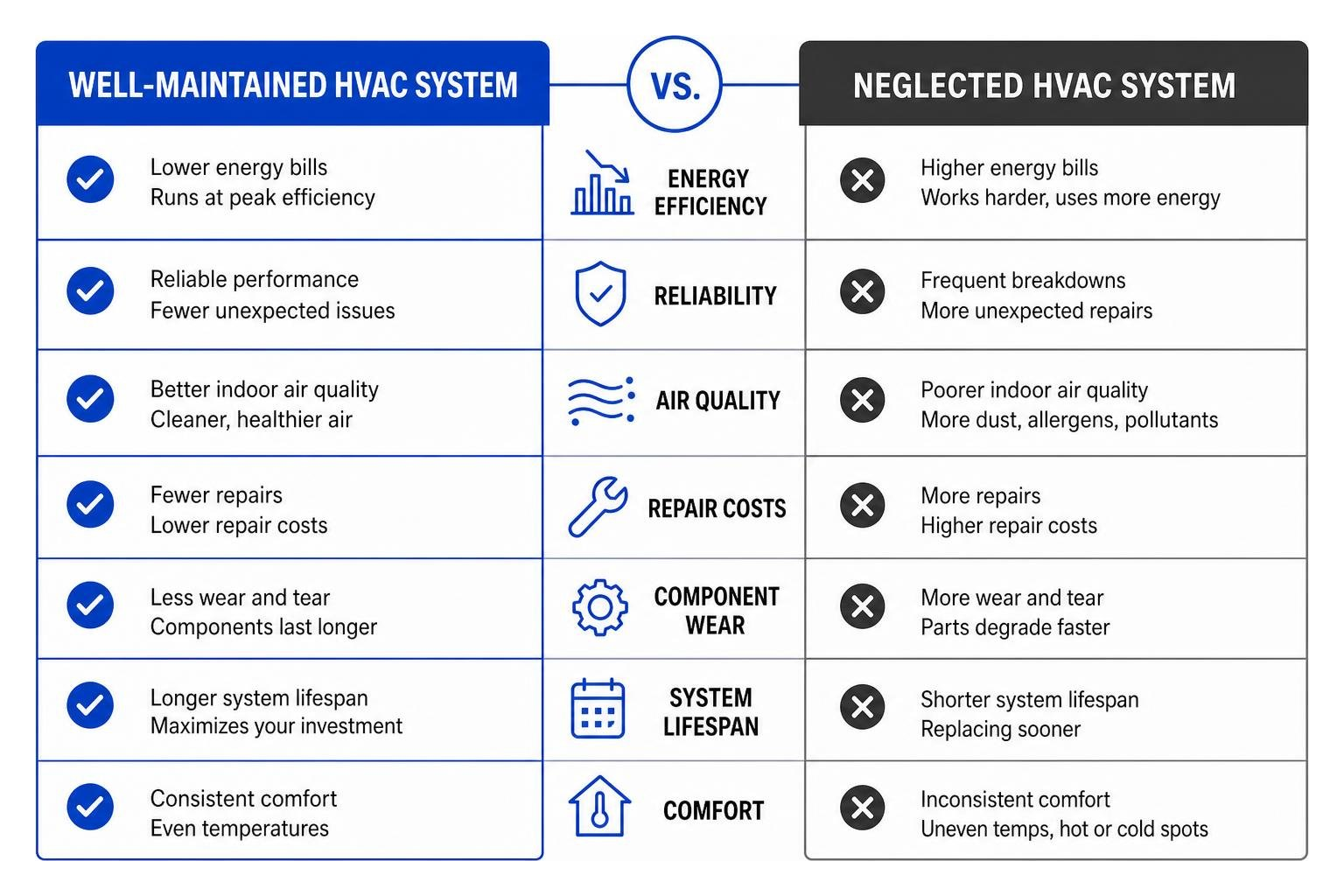
Regular maintenance translates directly into energy savings, reduced instances of costly breakdown prevention, minimized component wear, and ultimately, enhanced system longevity.
Extending Equipment Lifespan
One of the most compelling arguments for annual HVAC maintenance is its ability to significantly extend the lifespan of your system. A well-maintained HVAC unit can last 15–20 years, whereas a neglected one might only last up to 10 years. This difference represents substantial savings, as a full system replacement is a significant investment.
Regular service helps mitigate the natural depreciation of your equipment by ensuring all parts are working as intended. Technicians can identify and address minor issues like worn belts, loose connections, or low refrigerant levels before they lead to catastrophic failures. For instance, a small refrigerant leak, if unnoticed, can lead to compressor failure, one of the most expensive repairs. Similarly, a cracked heat exchanger in a furnace, a serious safety concern, can be detected early during a routine check, preventing a complete system shutdown and potentially hazardous situations. By extending the operational life of your HVAC, you delay the need for a costly system replacement, making regular maintenance a wise financial decision.
Maximizing Energy Efficiency
An efficiently running HVAC system is crucial for managing your monthly utility bills. Over time, even minor issues like dirty filters, dusty coils, or unlubricated moving parts can force your system to work harder, consuming more energy than necessary. This increased effort translates directly into higher energy consumption and elevated costs.
Regular maintenance addresses these issues, ensuring optimal performance. For example, clean coils facilitate better heat transfer, reducing the energy required for heating or cooling. Replacing dirty filters reduces airflow resistance, allowing the blower motor to operate more efficiently. Studies indicate that properly maintained HVAC systems can operate up to 25% more efficiently, and annual service can lower energy use by up to 15%. Beyond the financial savings, an efficient system also contributes to a reduced carbon footprint, aligning with modern environmental consciousness. By maintaining peak performance, your HVAC system not only keeps your home comfortable but also does so in the most cost-effective and environmentally friendly way possible.
Navigating Service Agreements and Manufacturer Warranties
When considering annual HVAC maintenance, homeowners often encounter the option of signing up for service agreements or maintenance plans. These plans typically include regular tune-ups and may offer additional benefits. However, understanding their implications, especially concerning warranty compliance, is crucial.
Meeting Warranty Requirements for Modern HVAC Solutions
Many HVAC manufacturers stipulate that their warranties are only valid if the system receives regular professional maintenance. This means that to protect your investment and ensure you can make a claim for parts or labor should an issue arise, you often need proof of maintenance. Most manufacturers require documented annual professional maintenance to keep the 10-year parts warranty valid. Without this, a manufacturer could deny a claim, leaving you responsible for the full cost of repairs that would otherwise be covered.
These manufacturer terms are designed to ensure the system is properly cared for, as neglect can lead to premature component failure. Keeping meticulous records of your annual service visits is vital for claim validation. This documentation serves as evidence that you’ve upheld your end of the warranty agreement, safeguarding your long-term investment in your heating and cooling system.
Evaluating Maintenance Plans vs. Pay-As-You-Go
Deciding between an HVAC maintenance plan (or service agreement) and a pay-as-you-go approach for individual service visits is a common dilemma for homeowners. Maintenance plans typically bundle multiple services, often including two annual tune-ups, and come with additional perks. These can include priority service during peak seasons or emergencies, repair discounts on parts and labor, and sometimes waived emergency fees. For homeowners who value predictability and peace of mind, especially with older systems, these benefits can be compelling. The cost for annual HVAC maintenance typically ranges, and service plans average a monthly rate, offering a form of budget predictability.
However, some consumer advocates suggest that maintenance contracts might not always be the most cost-effective option, especially if your system is new and unlikely to need repairs. They argue that paying for individual tune-ups when needed might be cheaper than a plan that includes benefits you don’t utilize. It’s also important to scrutinize coverage exclusions within plans, as costly repairs like compressor replacements are often not covered. The value of a plan often comes down to your system’s age, your tolerance for unexpected repair costs, and the specific plan tiers offered by your chosen provider.
Balancing Professional Care with DIY Maintenance
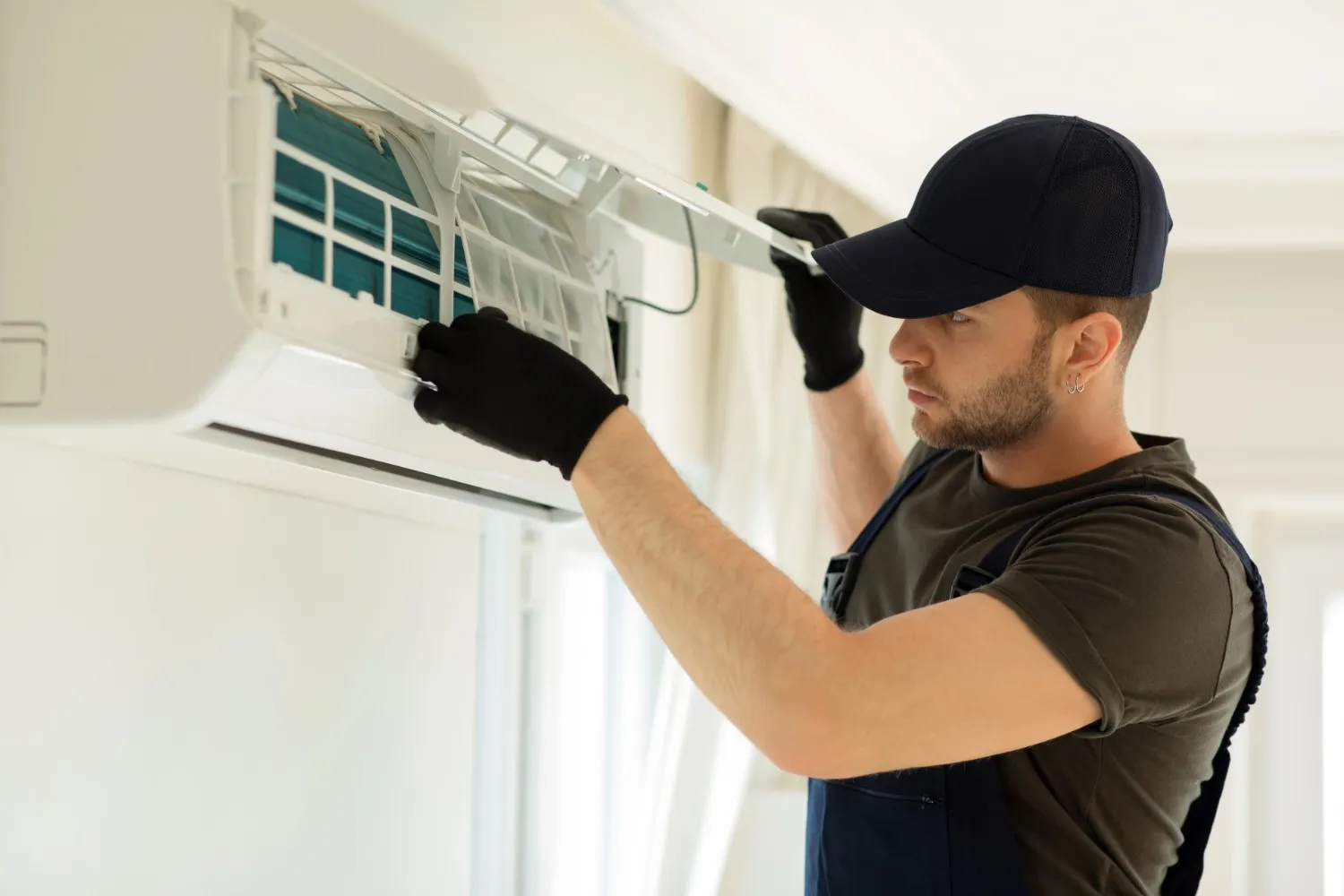
While professional annual maintenance is highly recommended for the health and longevity of your HVAC system, there are several simple tasks homeowners can perform themselves to supplement this care. This balance ensures your system runs efficiently while empowering you with basic upkeep knowledge.
Simple Tasks Homeowners Can Handle
Empowering yourself with basic HVAC maintenance tasks can contribute significantly to your system’s efficiency and air quality. One of the most crucial and easiest tasks is filter replacement. Depending on your system and household factors like pets or allergies, air filters should be changed every 1-3 months. Understanding MERV ratings can also help you choose the right filter for your needs, balancing filtration with airflow.
Another important DIY task is keeping the outdoor unit clearance free from debris. Regularly clear away leaves, grass clippings, and other obstructions that can accumulate around your condenser unit, ensuring proper airflow. Similarly, ensure that all indoor return vents and registers are unobstructed by furniture or drapes, as blockages can restrict airflow and strain your system. Performing regular visual inspections of your system, listening for unusual noises, and checking for leaks can also help you identify potential issues early. These simple steps can prevent minor problems from escalating and complement professional maintenance efforts.
When to Call a Certified Professional
While DIY tasks are beneficial, certain aspects of HVAC maintenance require the specialized knowledge, tools, and experience of a certified professional. Tasks involving the internal components of your system, refrigerants, or electrical connections should always be handled by experts.
For instance, checking and adjusting refrigerant leaks is a complex procedure that requires specific equipment and EPA certification. Similarly, inspecting and tightening electrical testing connections within the unit, especially high-voltage components, poses a significant safety risk if not performed correctly. Furthermore, any work involving gas connections in a furnace, including checking for leaks or inspecting the heat exchanger for cracks, demands professional expertise due to the inherent safety hazards like carbon monoxide. When it comes to the safety of your home and family, particularly concerning carbon monoxide safety, relying on a trained technician is non-negotiable. These critical tasks are beyond the scope of typical DIY and underscore the value of professional annual maintenance.
Frequently Asked Questions about Home Climate Maintenance
Is annual HVAC maintenance necessary for brand-new systems?
Yes, even brand-new HVAC systems benefit significantly from annual maintenance. While new systems are less likely to experience major breakdowns, regular tune-ups ensure they operate at peak efficiency from day one. More importantly, many manufacturers require documented annual professional maintenance to keep their warranties valid. Skipping these checks, even on a new system, could void your warranty and leave you responsible for costly repairs down the line. It’s an investment in preserving your equipment’s initial performance and protecting your long-term investment.
What are the warning signs that an HVAC system needs immediate attention?
Several indicators suggest your HVAC system needs professional attention beyond routine maintenance. These include:
- Unusual Noises: Grinding, squealing, banging, or persistent humming sounds.
- Weak Airflow: Noticeably reduced air coming from vents.
- Inconsistent Temperatures: Some rooms are too hot while others are too cold.
- Strange Odors: Burning smells, musty odors, or a smell like rotten eggs (which could indicate a gas leak).
- Increased Energy Bills: A sudden and unexplained spike in your utility costs.
- Visible Leaks or Moisture: Puddles around your indoor or outdoor unit.
- System Short Cycling: The unit turns on and off frequently.
- Frozen Coils: Ice buildup on the evaporator coil.
If you notice any of these signs, it’s best to contact a certified HVAC technician promptly to diagnose and resolve the issue.
Do heat pumps require more frequent maintenance than standard systems?
Generally, yes, heat pumps typically benefit from more frequent maintenance than traditional furnace and AC split systems. This is because heat pumps operate year-round, providing both heating in cooler months and cooling in warmer months. Their continuous operation means they accumulate wear and tear at a faster rate. Most experts recommend biannual maintenance for heat pumps – one visit in the spring to prepare for cooling season and another in the fall to prepare for heating season. This ensures all components are checked and optimized for their respective seasonal demands, maximizing efficiency and extending the unit’s lifespan.
Conclusion
As we navigate the complexities of modern home management in July 2026, the question of whether annual HVAC maintenance is worth it remains a critical consideration for homeowners. Our exploration reveals that routine professional care offers substantial benefits, from extending your system’s system reliability and lifespan to maximizing energy efficiency and ensuring long-term comfort. While some basic tasks can be handled through DIY efforts, the specialized nature of HVAC systems necessitates professional attention for safety, warranty compliance, and optimal performance.
Investing in proactive care for your heating and cooling system is not merely an expense; it’s an investment in your home’s home efficiency, your family’s comfort, and your peace of mind. By understanding what maintenance entails, its tangible benefits, and when to call in the experts, you can make an informed decision that safeguards your home environment for years to come.
