

Revitalise Your Skin: The Transformative Effects of Quitting Drugs
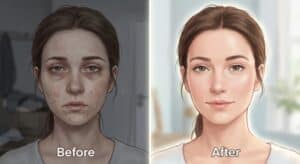
Quitting drugs and alcohol can lead to remarkable improvements in skin health, reversing the damage caused by toxins, dehydration, and nutrient deficiencies. As the largest organ of the body, the skin is dynamic and capable of recovery from the adverse effects of substance abuse, including issues like acne, premature aging, and infections. Often, individuals notice increased brightness and hydration within just a few weeks of sobriety. This article explores the various ways quitting drugs can enhance your skin’s appearance and overall health.
- Increased Hydration and Reduced Dryness
Drugs and alcohol often act as diuretics, causing systemic dehydration that leads to dry, dull, and flaky skin.
Upon quitting, the body begins to restore its natural hydration levels. Alongside support and comprehensive resources from the best drug rehab centre, this improvement results in plumper, more hydrated skin and minimizes the appearance of fine lines. The reduction in chronic dryness can also alleviate the look of sunken eyes, contributing to a more youthful and vibrant appearance.
- Improved Circulation and a “Glowing” Complexion
Substances such as nicotine and stimulants—like cocaine and meth—restrict blood vessels, thereby reducing the oxygen and nutrients that reach the skin’s surface. This often results in a dull, grey, or pale complexion. However, when individuals cease using these substances, blood circulation improves significantly.
Enhanced circulation allows the skin to receive essential nutrients and oxygen, leading to a more vibrant glow and a reduction in an ashen tone. The revitalisation of blood flow can make a noticeable difference in just a few weeks, often resulting in compliments about one’s complexion.
- Reduced Inflammation and Acne
Alcohol and certain drugs can trigger inflammation, leading to severe acne, broken capillaries, and redness, particularly around the nose and cheeks. When these substances are removed from the body, the immune system stabilises, which can significantly reduce facial redness and inflammatory-driven acne.
As a result, many individuals experience a clearer and more even skin tone, which can boost self-esteem and encourage further healthy lifestyle choices. The improvement in skin condition can be both a motivating factor and a visible reward for the hard work put into recovery.
- Regeneration of Collagen and Elasticity
Chronic drug use can contribute to premature ageing by damaging collagen and elastin, essential proteins that maintain skin firmness and elasticity. Quitting allows the body to begin repairing connective tissues. Studies have shown that after stopping substances like nicotine, skin elasticity can begin to improve, and collagen production can renew.
This regeneration leads to a reduction in the appearance of premature wrinkles and an increase in skin firmness. Over time, individuals may find that their skin looks significantly younger and healthier, providing a compelling reason to maintain sobriety.
- Better Healing and Reduced Infection Risk
Drug use, especially through improper injection or neglect of personal hygiene, can lead to chronic infections, scabs, abscesses, and ulcers. Once drug use ceases, the body can redirect its energy towards healing wounds and repairing tissue rather than fighting toxins.
This shift results in a reduction of skin infections and the gradual healing of acne marks or abscesses. Many people report that their skin begins to clear up and heal within a month of quitting, further reinforcing the benefits of a sober lifestyle.
Timeline of Skin Improvements
Days 2-3: Increased hydration and initial return of healthier colour.
Week 1-2: Reduced puffy, sunken eyes and diminished inflammatory “redness” (often observed in alcohol recovery).
1 Month: Noticeable improvement in texture, increased radiance, and fewer breakouts.
6 Months to 1 Year: Reduction in fine lines, wrinkles, and a restored, more youthful appearance.
Supporting Skin Recovery
To maximise skin recovery after quitting drugs, consider the following tips:
Hydrate: Drink plenty of water to flush out toxins.
Nutrition: Consume a diet rich in vitamins A, C, and E to support tissue repair.
Skincare: Use gentle cleansers and moisturisers to maintain the skin barrier.
Sun Protection: Apply sunscreen to protect the skin while it is vulnerable and recovering.
Quitting drugs and alcohol is not just a step towards better physical health; it also significantly enhances the condition of your skin. Remember, the journey to recovery may be challenging, but the rewards—both internally and externally—are well worth the effort.
