

How Quality Data Can Transform Business Operations
Table of Contents
- How Quality Data Can Transform Business Operations
- The Impact of Data Quality on Business Performance
- Understanding Data Enrichment
- Benefits of Data Enrichment
- Implementing Effective Data Management Strategies
- Real-World Applications of Data Enrichment
- Challenges in Data Enrichment
- Conclusion
In today’s rapidly evolving digital environment, the data that organizations use has a profound impact on their success. Businesses that prioritize high-quality information see improvements in decision-making, operational efficiency, and their ability to innovate. However, companies that rely on poor or incomplete data risk costly errors and missed opportunities. The process of enriching data is central to turning basic information into a valuable resource that drives tangible results.
Quality data underpins every stage of the business process, from forecasting to real-time customer engagement. It allows leaders to respond to market demands promptly and accurately while building a foundation for long-term growth. With more organizations recognizing the value of data, those that fail to invest in reliable information management are increasingly at a disadvantage.
- High-quality data is critical for accurate business decisions and smoother operations.
- Data enrichment turns raw facts into actionable insights tailored to business needs.
- Robust data management strategies minimize the risks and costs associated with poor information.
The Impact of Data Quality on Business Performance
Good data quality directly correlates with a company’s ability to make evidence-based decisions. According to a recent Salesforce report, 76 percent of business leaders are feeling pressure to create value from their data. Yet, poor data quality, such as duplicated, missing, or inaccurate information, undermines these efforts, resulting in strategic missteps and avoidable expenses. In fact, 84 percent of organizations believe they need to overhaul their data strategies to remain competitive and succeed with AI initiatives.
Beyond direct financial loss, poor data impacts everything from compliance to customer trust. Without accurate data, businesses can struggle to comply with ever-stricter regulations, damaging their reputation and leaving them vulnerable to penalties.
Companies are increasingly aware that a failure to address data quality can lead to missed revenue opportunities and operational bottlenecks. As the business landscape becomes more complex, the value of reliable, contextualized data only grows.
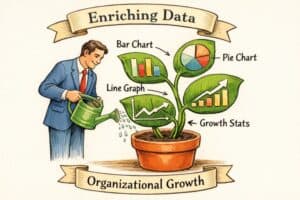
Taking practical steps, like investing in data enrichment and advanced analytics, can put an organization ahead. By integrating both internal and external data sources through trusted practices, companies can create a robust framework that supports real-time analysis, seamless reporting, and long-term planning.
Understanding Data Enrichment
Data enrichment refers to the process of supplementing existing records with relevant information obtained from external sources. This transformation elevates unstructured or incomplete data into a more comprehensive asset for businesses. For example, adding demographic, behavioral, or geolocation information to basic customer profiles can allow for greater personalization in marketing campaigns, improved fraud monitoring, and more precise business intelligence practices.
In addition, data enrichment empowers organizations to develop deeper insights into their customer base, improve segmentation efforts, and better predict future trends. Without these improvements, businesses often find themselves making decisions based on assumptions or outdated information, which can hinder overall growth and performance. As digital data sources proliferate, the available opportunities for enriching datasets grow as well, supporting a wider array of business functions, from sales and marketing to finance and supply chain optimization. As a result, enriched data is increasingly recognized as a core competitive advantage in high-performing companies across numerous industries.
Benefits of Data Enrichment
- Improved Customer Insights: With enhanced data, businesses can build detailed profiles and deliver more personalized services that engage and retain customers.
- Enhanced Decision-Making: Access to accurate, up-to-date information supports better, data-driven business strategies.
- Operational Efficiency: Clean, enriched data enables smoother operations and reduces time spent on error correction and manual data entry.
Additionally, companies utilizing enriched data often find it easier to identify hidden market opportunities and create offers that resonate more powerfully with target audiences. Enhanced analytics capabilities support continuous improvement initiatives, enabling leaders to quickly adapt their strategies in the face of shifting market dynamics or emerging technology trends. As organizations improve their data, they also foster a culture of accountability and collaboration, since stakeholders can operate from the same source of reliable information.
Implementing Effective Data Management Strategies
To fully leverage the advantages of data enrichment, businesses must establish a solid foundation of data management. This includes:
- Data Governance: Developing policies to guarantee data accuracy, consistency, and protection throughout its lifecycle.
- Regular Data Audits: Routine inspections uncover errors and enable proactive maintenance, enhancing both regulatory compliance and efficiency.
- Adoption of AI and Big Data Analytics: Utilizing advanced technology streamlines processing and helps unlock insights from large datasets. A study on process optimization with AI and big data analytics reported a 42 percent reduction in processing time and a 35 percent decrease in operating costs.
Organizations should also focus on fostering strong partnerships with reputable data providers and consider investing in employee training to build internal data literacy. Ensuring that teams understand how to interpret and leverage enriched data can lead to more innovative use cases and maximize business value. As digital transformation continues across industries, the integration of machine learning tools and automation platforms is reshaping how businesses monitor and manage data quality at scale, further contributing to long-term organizational success.
Real-World Applications of Data Enrichment
Across all sectors, businesses are achieving measurable improvements by embracing data enrichment. For example, Shelter Insurance® selected Guidewire to modernize its core systems, streamline IT operations, and create more value for stakeholders, helping them remain competitive in a rapidly changing market. This transformation underscores the importance of quality data in maintaining agility and delivering superior customer experiences.
Other organizations are using similar strategies to expand their market reach, enhance operational visibility, and better forecast customer demand. Success stories span industries, with financial services leveraging enriched transaction data for fraud detection, retail companies optimizing supply chain performance, and healthcare organizations using enriched patient records to improve outcomes and streamline administrative processes. As more technologies emerge, opportunities for real-time data enrichment and automation continue to evolve, making it easier for companies to scale insights and improve operations without compromising on compliance or data security.
Challenges in Data Enrichment
Although the benefits are clear, organizations face several hurdles in the data enrichment journey:
- Data Privacy: Strict regulations require businesses to carefully manage how they integrate and use external data.
- Complex Integration: Combining information from multiple sources can be technically challenging, demanding investments in infrastructure and expertise.
- Ongoing Quality Assurance: Maintaining accuracy over time means organizations must develop habits and systems for continuous monitoring and improvement of their datasets.
Handling these challenges effectively requires ongoing effort, including investing in new technologies, staying up to date on regulatory changes, and maintaining open communication channels between data teams and business leaders. The most successful organizations foster a culture of adaptability, one in which data quality is viewed as a shared responsibility and strategic priority instead of a back-office technical function. As markets grow more competitive, a proactive approach to overcoming enrichment challenges can make a significant difference in future-proofing business operations.
Conclusion
Businesses that commit to high-quality data and enrichment practices are better positioned to innovate, meet regulatory demands, and achieve sustainable growth. By taking deliberate steps to manage and enhance their data, organizations unlock powerful insights, reduce risk, and ensure they are primed for future opportunities.
