

The Evolution of Residential Garage Doors in the Era of Smart Homes
Table of Contents
- Integration with Smart Home Systems
- Enhanced Security Features
- Energy Efficiency and Sustainability
- Innovative Designs and Materials
- Predictive Maintenance and AI
- Increased Adoption and Market Growth
- Conclusion
In the modern age of connected homes, residential garage doors are more than just an entry point or a place to park vehicles. They have evolved into a key element of a smart home’s convenience and security infrastructure. With homeowners increasingly focused on technology integration, the role of residential garage doors has expanded, bringing advancements that are transforming the way we interact with our homes.
Today, the average garage door can be operated remotely, respond to voice commands, and even learn usage patterns to adapt to the needs of a busy household. These enhancements not only add to the comfort and accessibility of the home but also create new standards in residential security and energy management, redefining everyday living experiences.
The adoption of smart garage technology demonstrates how vital garage access has become in a comprehensive smart home system. Homeowners benefit from being able to check the status of their garage from anywhere and to personalize features that fit their specific needs.
The customization options now available make it easier to choose solutions for both new builds and retrofit projects, ensuring integration with existing home automation tools. Proper maintenance is important to ensure longevity and performance, and regular garage door servicing plays a crucial role in keeping these advanced systems in top shape.
Integration with Smart Home Systems
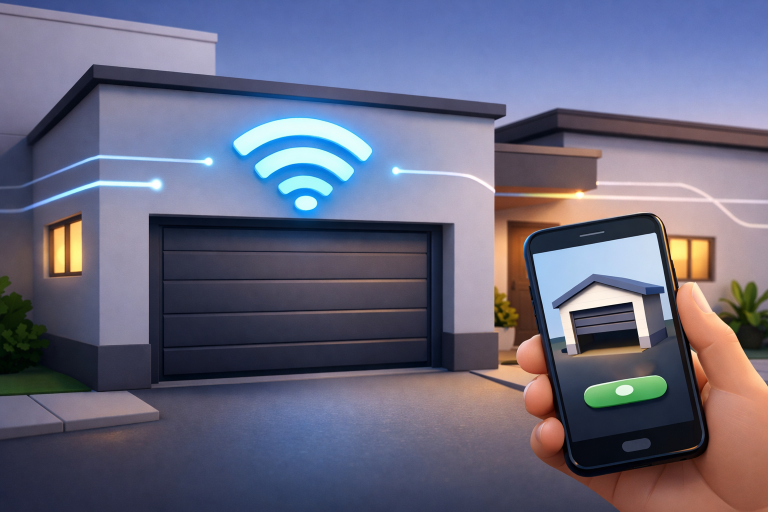
The latest garage doors integrate smoothly with household smart technologies. Modern systems allow homeowners to monitor and operate doors via apps or voice controls, offering real-time awareness and convenience whether at home or away. Many models support integration with broader security and automation systems for easier management. Top smart garage door openers provide straightforward installation and secure connection across platforms, with benefits like scheduling and instant notifications.
Integration also streamlines daily routines. For instance, linking a smart garage system to a home’s lighting or thermostat can trigger personalized scenes as someone arrives home, increasing comfort and energy savings. This interoperability ensures that garage doors play an active role in the smart home ecosystem, not merely serving as a passage, but as a dynamic component that interacts with the environment and the homeowner’s habits.
Enhanced Security Features
With garages often serving as entryways to the home, enhanced security measures are a major focus. Current smart garage doors feature encryption protocols, user-specific entry codes, and integration with surveillance systems. Users receive alerts for unauthorized attempts, and temporary digital keys can be issued for deliveries or guest access. These measures work together to safeguard homes against intrusions while maintaining user convenience.
Integration with existing alarm systems also ensures a coordinated response in the event of a breach. When combined with motion-activated cameras or remote monitoring, homeowners receive instant notifications for unusual activity, whether they are home or away. This blend of proactive and reactive security elevates peace of mind for families and provides a visible deterrent for potential intruders.
Energy Efficiency and Sustainability
Smart garage doors now contribute to greater energy efficiency in the home. Innovations include insulated and thermally efficient panels, which help maintain interior temperatures and reduce heating or cooling costs. Automated features like motion sensors can trigger door closures to prevent energy waste. Additionally, solar-compatible systems are gaining in popularity, underpinning a movement toward sustainable home improvement and reduced carbon footprints.
Some models incorporate materials made from recycled or sustainable sources, reflecting a growing industry focus on environmental impact. The ability to monitor and record energy usage statistics through connected apps also empowers homeowners to make smarter choices, allowing them to identify patterns and reduce unnecessary consumption. As consumers become more eco-conscious, these solutions are increasingly seen as essential aspects of home improvement and responsible living.
Innovative Designs and Materials
As the aesthetics of garages become more important to homeowners, manufacturers have responded with new materials and smart features. Recent inventions, such as glass doors that can instantly switch from see-through to opaque for increased privacy, bring functionality and modern design together. These innovations allow garage doors to serve as dynamic architectural elements while adapting to evolving home styles. For more about these design advancements, see Clopay’s introduction of switchable glass technology.
Consumers today want garage doors that not only perform exceptionally but also enhance curb appeal and blend seamlessly with other exterior features. Advances in composites, lightweight metals, and protective coatings have led to doors that resist weathering and require minimal upkeep, even in harsh climates. The flexibility in design choices from minimalist modern panels to traditional carriage house styles ensures that garage doors support a range of architectural preferences.
Predictive Maintenance and AI
Artificial intelligence and data analytics are being used to extend the lifespan and reliability of residential garage doors. Sensors embedded in the mechanisms can detect irregular operations and alert users before malfunctions occur. AI-driven maintenance scheduling keeps doors running efficiently, which helps homeowners avoid sudden breakdowns and costly emergency repairs. Some systems provide ongoing diagnostics and remote troubleshooting, further simplifying upkeep.
This predictive approach not only maximizes operational efficiency but also enhances safety by addressing potential hazards, such as worn springs or misaligned tracks, before they compromise the system. With advancements in AI continually improving, we can expect even more precise forecasting and a transition from reactive to fully preventative maintenance routines in the years ahead.
Increased Adoption and Market Growth
The market for smart garage doors is expanding steadily, with more homeowners seeking out these solutions each year. According to sources like Yahoo Finance, more than one in ten households with internet connectivity now use a smart garage door opener, and the adoption rate is projected to continue rising. As new innovations emerge and smart home ecosystems become more user-friendly, this figure is likely to increase, signaling wider acceptance and integration.
In addition to residential uptake, builders and property developers are increasingly specifying smart garage doors in new projects, treating them as a must-have amenity rather than a luxury. This trend is driving ongoing research and development in the industry, translating to enhanced features and even lower barriers to entry for homeowners interested in upgrading older equipment.
Conclusion
The rapid evolution of residential garage doors reflects the broader shift toward smart, connected, and efficient homes. With advances in technology and design, homeowners now have access to features that offer convenience, security, energy savings, and aesthetic flexibility. Regular servicing remains important to maintain these advantages. As more people discover the benefits of upgrading their garage doors, this trend reinforces the importance of adapting to the future of residential living.
Ultimately, the modern garage door stands as a symbol of how traditional home features are being reimagined in the digital era. With ongoing developments in automation, connectivity, sustainability, and style, homeowners are empowered to redefine the boundaries of what’s possible in home living. The journey of residential garage doors is far from over; as technology continues to progress, their role in creating safe, efficient, and beautiful homes will only become more pronounced.
