

Transforming Your Suburban Yard into a Sustainable Oasis
Key Takeaways
- Utilizing native plants reduces water usage and supports local ecosystems.
- Incorporating permeable materials improves drainage and minimizes runoff.
- Designing outdoor living areas enhances functionality and enjoyment.
- Implementing foodscaping combines aesthetics with productivity.
- Reducing traditional lawns in favor of sustainable alternatives conserves resources.
Table of Contents
- Embrace Native Plantings
- Incorporate Permeable Materials
- Design Functional Outdoor Living Spaces
- Implement Foodscaping
- Reduce Traditional Lawns
- Adopt Minimalist Design Principles
- Create Wildlife-Friendly Habitats
- Practice Regenerative Soil Techniques
Transforming your suburban yard into a sustainable oasis not only enhances its visual appeal but also helps foster a thriving ecosystem right at home. By embracing eco-friendly strategies, homeowners have the chance to support local wildlife, minimize maintenance, and create a welcoming outdoor retreat. Partnering with experts like landscape lighting contractors Dale City makes it easier to highlight key features and extend the beauty and usability of your space into the evening hours.
Sustainable landscaping is more than a trend; it is a conscious choice that offers both personal and environmental rewards. With a blend of native plantings, low-impact materials, and intentional design, homeowners can create functional and inviting landscapes that require less water, use fewer chemicals, and encourage outdoor living. Each of the steps outlined below will help you rethink your yard’s potential and guide you in crafting a landscape that truly thrives.
Embrace Native Plantings
Native plants form the backbone of any sustainable garden. These plants are adapted to local soil types and weather patterns, which means they demand less water and are less susceptible to disease. Incorporating species like native grasses, perennials, and wildflowers boosts biodiversity and supports pollinators such as bees and butterflies. By giving up invasive species in favor of plants that belong, you help the local environment thrive and decrease the need for costly fertilizers and pesticides.
Incorporate Permeable Materials
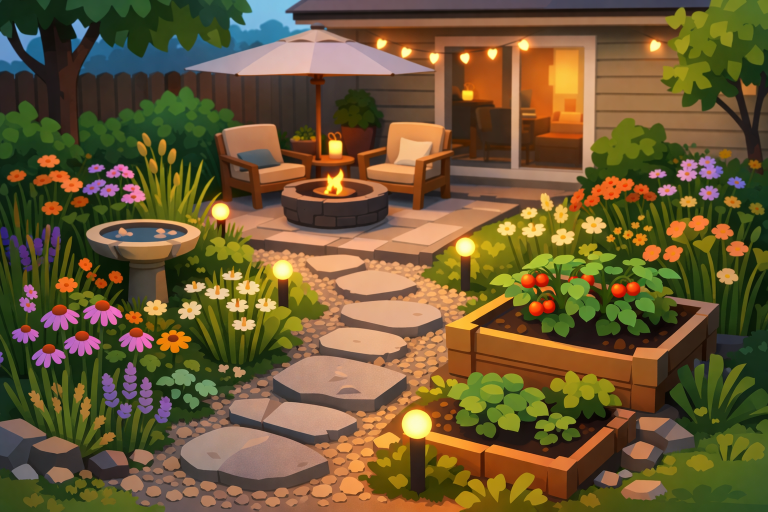
Substituting impermeable patios and walkways with permeable options like gravel, open-jointed pavers, or loosely fitted bricks allows rainwater to percolate into the soil below. This practice helps limit stormwater runoff, prevents soil erosion, and maintains healthy plant growth. Beyond environmental benefits, permeable surfaces add layers of variation and texture that dramatically improve the landscape’s visual impact. Research points to the enhanced drainage and resilience provided by these materials, making them a top choice in modern eco-friendly design.
Design Functional Outdoor Living Spaces
Cultivating outdoor areas for gathering, relaxation, and dining transforms your yard into a true extension of your home. Patios, decks, and pergolas not only increase the livable square footage of your property but also encourage time outside with family and friends. Using sustainable building materials and surrounding these spaces with native plants blends comfort with eco-conscious choices, resulting in beautiful and practical retreats. Incorporating subtle landscape lighting can further elevate the atmosphere and functionality of these outdoor zones in the evening.
Implement Foodscaping
Foodscaping blurs the line between traditional edible gardens and ornamental beds by weaving vegetables, herbs, and fruit-bearing plants into the aesthetic design. Not only does this approach ensure you enjoy fresh produce right from your yard, but it also increases plant diversity and visual interest. Consider edible flowers, colorful Swiss chard, or bold artichokes as both statement plants and culinary staples. A well-designed foodscaping area is a feast for the eyes and the table.
Reduce Traditional Lawns
Maintaining lush turf lawns demands regular watering, fertilizing, and mowing, placing a strain on both time and resources. By reducing traditional lawn areas and introducing low-care alternatives such as native groundcovers, ornamental grasses, or pollinator gardens, you support healthier ecosystems and free up space for diverse plantings. This approach is growing in popularity as more property owners recognize the ecological and financial benefits of “re-wilding” at home.
Adopt Minimalist Design Principles
Minimalist landscaping is rooted in clean lines, deliberate plant choices, and open spaces. This philosophy emphasizes the power of negative space, allowing striking elements and thoughtfully selected greenery to stand out. It encourages homeowners to focus on quality over quantity, which naturally reduces maintenance and resource use. The result is an elegant and uncluttered garden that radiates calm and modernity. This trend remains popular among homeowners aiming for both sustainability and style.
Create Wildlife-Friendly Habitats
Encouraging native fauna is a vital part of creating a sustainable suburban landscape. By planting a wide variety of native flowering species and providing shelter through shrubs, hedges, or woodpiles, you offer crucial resources for pollinators, birds, and small mammals. Adding features like birdbaths, insect hotels, or small ponds furthers biodiversity and makes your yard a vital stop in the local ecosystem. Over time, wildlife-friendly gardens reward you with visits from butterflies, hummingbirds, and helpful insects.
Practice Regenerative Soil Techniques
Soil health is the engine driving a thriving landscape. Regular composting, mulching with organic matter, and limiting synthetic chemical use restores and sustains soil fertility, improving structure and enhancing water retention. These efforts also reduce runoff and erosion. Regenerative practices such as these foster a dynamic soil ecosystem, resulting in hardier plants and fewer pests. Over time, these habits cultivate a more self-reliant and resilient garden.
Integrating these practical and sustainable approaches allows suburban homeowners to cultivate outdoor spaces that are beautiful, climate-smart, and family-friendly, all while making a significant positive impact on the environment.
