

Warning Signs Your Vehicle Needs Immediate Attention
Key Takeaways
- Unusual noises, such as grinding or squealing, often indicate issues with brakes or engine components.
- Dashboard warning lights are critical alerts that should never be ignored.
- Fluid leaks under your vehicle can signal serious problems requiring prompt attention.
- Experiencing vibrations or pulling while driving may point to alignment or suspension issues.
- Burning smells or smoke are urgent indicators of potential hazards.
Table of Contents
- Unusual Noises
- Dashboard Warning Lights
- Fluid Leaks
- Vibrations or Pulling While Driving
- Burning Smells or Smoke
- Poor Fuel Efficiency
- Difficulty Starting the Engine
- Excessive Exhaust Smoke
Keeping your vehicle in good shape is not just about aesthetics; it’s essential for your personal safety and for preserving your investment. Early detection of mechanical problems can prevent minor issues from escalating into costly repairs and reduce the risk of unexpected breakdowns. If you notice any of these issues and are looking for prompt auto repair, it is advisable to seek professional help at the earliest opportunity.
Being proactive about vehicle maintenance pays off in the long run. Addressing concerns as soon as you notice them helps you avoid potentially hazardous situations on the road and can extend your vehicle’s lifespan. Understanding these key warning signs will empower you to make timely decisions regarding your car’s health.
Even for seasoned drivers, distinguishing between normal wear and signs of serious trouble can be challenging. However, being alert to noticeable changes in your vehicle’s performance, sound, or appearance greatly increases your ability to keep it running smoothly. This awareness is fundamental to safe, reliable transportation for you and your family.
This article covers the most common warning signs to watch for, along with what they might mean and why quick action matters. From strange noises to illuminated dashboard lights, knowing how to respond could help you avoid major repairs.
If you’re ever unsure whether a symptom indicates a larger problem, it’s always best to consult with an experienced auto repair shop to ensure your safety and peace of mind.
Unusual Noises
Unusual sounds coming from your vehicle should never be ignored. Squealing, grinding, or knocking noises are often the earliest hint of trouble in key components such as brakes, suspension, or the engine. For example, a persistent high-pitched squeal when braking likely signals worn-out brake pads that need replacement. Unfamiliar knocking noises under the hood may indicate misfiring cylinders or insufficient oil, both of which could quickly escalate into major engine issues if unchecked. Promptly investigating abnormal noises is the best way to prevent more serious damage and ensure your vehicle stays roadworthy.
Dashboard Warning Lights
Cars today are equipped with advanced sensors and electronic diagnostics that alert drivers the moment something seems off. If your dashboard lights up with a warning, such as the check engine, oil, battery, or tire pressure indicators, take it seriously. These lights are designed to alert you to everything from routine maintenance needs to critical failures. A flashing check engine light can signal a problem that might severely damage the engine or emission system. Ignoring warning lights can lead to breakdowns or expensive future repairs, so always respond quickly to these signals.
Fluid Leaks
Finding puddles or unusual stains beneath your parked vehicle is often an indication of leaking fluids. Each type of fluid leaving your car, whether oil, coolant, transmission fluid, or brake fluid, indicates a different potential issue. Oil leaks can affect engine lubrication, coolant leaks can cause overheating, and brake fluid leaks can pose immediate safety hazards. Identifying the color and smell can sometimes help pinpoint the leak, but regardless, it is essential to consult a professional before more serious issues develop.
Vibrations or Pulling While Driving
Excessive vibrations or the sensation of your vehicle pulling to one side often suggest underlying problems with alignment, wheel balance, brakes, or suspension. These symptoms can make your drive less comfortable and compromise your control over the vehicle. Allowing these issues to persist can result in uneven tire wear or further component damage. Addressing these signs as soon as they appear promotes better handling and prolongs tire life.
Burning Smells or Smoke
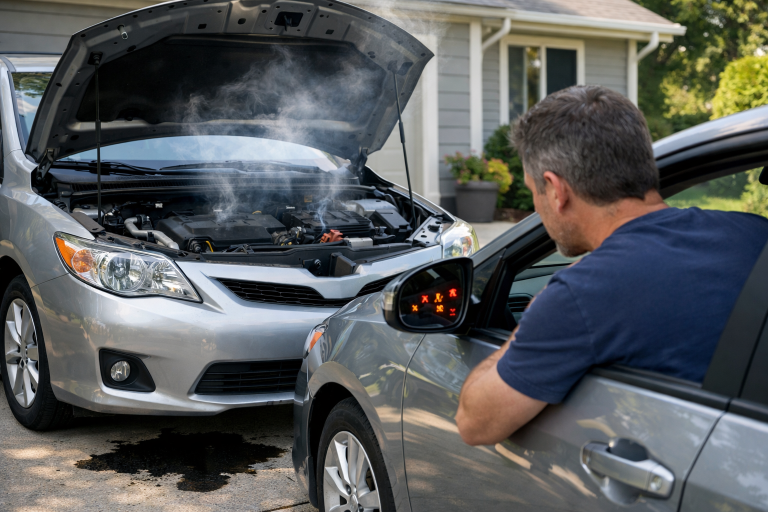
Burnt odors, from oil, rubber, wires, or plastic, or visible smoke are urgent warning signs. Overheating parts or leaking fluids that drip onto hot engine surfaces can produce these smells. Not only do burning and smoke suggest immediate problems, but they also pose safety risks, including the possibility of fire. Whenever you detect something burning, pull over safely and have your vehicle inspected as soon as possible. More information about common car smells and their meaning is available at CARFAX.
Poor Fuel Efficiency
A drop in miles per gallon can be caused by minor issues such as clogged air filters, defective oxygen sensors, or even underinflated tires. When the engine does not operate efficiently, it must work harder, ultimately burning more fuel. These factors are not just costly to your wallet, but they also increase emissions and wear on vital engine parts. Consistent attention to basic maintenance often resolves the root causes of poor fuel efficiency and is an easy way to save money.
Difficulty Starting the Engine
If you notice repeated trouble starting your vehicle, such as long cranking or frequent stalls, it could be due to a dying battery, worn-out spark plugs, a failing starter, or other ignition issues. Ignoring this symptom can leave you stranded at inconvenient times. Batteries and starters are subject to routine wear and tear, but persistent problems should be evaluated promptly to rule out more serious electrical issues.
Excessive Exhaust Smoke
The appearance and color of exhaust smoke can give important clues about your vehicle’s condition. Blue smoke generally means oil is burning, white smoke may indicate coolant entering the combustion chamber, and black smoke is usually caused by excess fuel. All these signs indicate internal engine or system problems that typically require immediate attention from a qualified technician to avoid catastrophic failure.
Proactively addressing warning signs is essential for vehicle reliability and safety. Quick responses to these problems can help keep repair costs manageable and prevent sudden breakdowns. When in doubt, consult with a trusted professional to keep your car running smoothly.
