

What a Car Accident Lawyer Does After a Serious Highway Crash
Richmond’s busy roads and connections to major Virginia highways mean that serious traffic collisions can happen with little warning, leaving injured drivers and passengers facing far more than the immediate aftermath. A severe highway crash can involve multiple vehicles, significant property damage, complicated questions about responsibility, and injuries that may not fully reveal their impact at first. For an injured person, the period following the collision can therefore become critical to protecting both their health and their legal options.
Understanding what happened requires attention to details that may otherwise disappear, while pursuing compensation often means dealing with insurers and other parties who have their own interests at stake. Effective legal representation brings structure to this process by connecting the circumstances of the crash with the broader consequences it has created for the injured person. For those dealing with the aftermath, consulting a car accident lawyer from Christina Pendleton & Associates can provide focused guidance while the claim is investigated and pursued.
The First Legal Steps
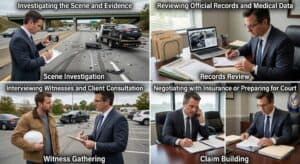
A lawyer begins by collecting the available facts about the collision. This work includes reviewing the police report, medical records, insurance information, photographs, videos, and statements from witnesses to the crash. They also examine driver conduct, vehicle positions, traffic signals, road conditions, and injury records. This review helps determine whether another driver caused the crash and whether additional parties require investigation.
Preserving Crash Evidence
Important evidence can include dashboard-camera footage, nearby traffic-camera recordings, photographs of vehicle damage, tire marks, debris patterns, and electronic data from the involved vehicles. The attorney also checks whether construction activity, roadway defects, poor signage, or an unsafe shoulder contributed to the collision.
Witness accounts also require prompt attention. A lawyer identifies witnesses through police records, driver information, social media posts, and available video. Written or recorded statements can preserve details before memories change.
Establishing Fault and Liability
Virginia follows a contributory negligence rule. An injured person who shares fault for an accident can lose the right to recover damages, even when another driver caused most of the collision. That rule makes a careful liability investigation especially important. In a multi-vehicle pileup, responsibility can involve more than one driver. Accident reconstruction professionals can review vehicle damage, roadway marks, impact angles, and timing. Their analysis can explain how the collision began and whether later impacts caused particular injuries.
A lawyer studies whether a driver sped, followed too closely, changed lanes without enough space, drove while distracted, or operated a vehicle while impaired. The investigation also considers fatigue, defective equipment, poor maintenance, and post-crash conduct.
Handling Insurance Companies
Insurance adjusters often request statements, medical authorizations, and records soon after a crash. Those requests require careful review because broad statements can expose private information or lead to disputes over unrelated medical conditions.
A lawyer handles communications with the insurance companies and responds to settlement proposals. The attorney calculates documented losses instead of relying on an early estimate. This process includes current medical bills, rehabilitation costs, lost wages, property damage, and expected future treatment.
Building a Complete Injury Claim
A lawyer organizes emergency room records, imaging results, physicians’ notes, prescriptions, therapy records, and specialist opinions. Consistent treatment helps show the connection between the highway crash and the reported injuries.
The attorney also tracks expenses that do not appear on hospital bills. Transportation costs, home assistance, medical equipment, and missed work can add to the financial impact. Employment records, pay statements, and tax documents help verify income losses. A serious crash can affect a person long after visible injuries improve. A lawyer works with medical professionals to understand the likely treatment and related costs before negotiating a final settlement.
Negotiating or Filing a Lawsuit
Most car accident claims resolve through negotiations, but a lawyer prepares the case as though litigation could follow. The attorney sends a demand supported by evidence, explains liability, and presents the full financial value of the claim.
If the insurance company refuses a fair resolution, the lawyer can file a lawsuit before the applicable deadline. Court proceedings can involve written discovery, depositions, expert testimony, motions, and trial preparation. The legal team presents the evidence in a format that helps a judge or jury evaluate fault and damages.
Conclusion
After a serious highway crash, a car accident lawyer does more than send an insurance letter. The attorney investigates fault, preserves evidence as it changes, documents long-term losses, protects the injured person during negotiations, and prepares for court when necessary. Anyone facing major injuries should gather crash records, continue medical care, and seek legal advice before accepting a settlement or signing a release. Early action gives the claim a clearer factual record and protects options for recovery.
