

How Accident Reconstruction Helps Prove Fault in Injury Cases
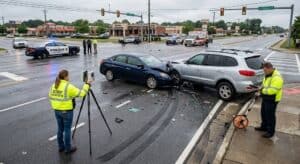
Traffic collisions in Raleigh, North Carolina, frequently lead to disputes over fault, especially when physical evidence is limited or accounts conflict. According to the North Carolina Department of Transportation, Wake County recorded more than 20,000 traffic crashes in 2023, many involving injuries that required detailed documentation to establish liability. After a crash, fault often depends on evidence that disappears quickly, including vehicle positions, skid marks, signal timing, and damage patterns. Accident reconstruction turns those details into a technical account of how the collision occurred.
A reconstruction specialist tests competing explanations, calculates vehicle movement, and compares physical evidence with witness statements. This analysis gives an injury claim a clearer basis for proving negligence, especially when drivers dispute responsibility. People seeking Raleigh accident injury claim help benefit from early legal guidance to preserve critical evidence before it disappears. The process starts with the scene and its evidence.
Why Early Evidence Matters
After a serious crash, disputed facts can affect medical expenses, lost income, and liability. Evidence that explains the collision carries more weight than conflicting statements alone. A lawyer can review photographs, reports, vehicle damage, and witness accounts before deciding whether an accident reconstruction specialist should examine the case. Early action preserves information before repairs change the evidence.
What Accident Reconstruction Examines
Accident reconstruction begins with physical evidence. Investigators review photographs, roadway measurements, traffic signals, weather conditions, vehicle damage, and debris locations. They also examine tire marks, vehicle data, surveillance footage, and available dispatch records.
Each detail helps establish what happened before impact. For example, the length of a skid mark can help estimate braking behavior, while crush damage can show the direction and force of impact. Vehicle resting positions can also help determine travel paths after the collision. Witness statements provide useful context, but physical evidence tests whether those statements match the scene. A reconstruction specialist compares each account with measurable facts instead of relying on memory alone.
How Specialists Calculate Vehicle Movement
Speed and distance calculations help explain a crash in measurable terms. A specialist examines braking marks, roadway grade, vehicle weight, and the time available for a driver to react. These calculations can show whether a driver had enough distance to stop or avoid the collision.
Vehicle damage also provides information about impact angles and movement. A side-impact pattern can indicate where one vehicle entered an intersection, while damage across several surfaces can show whether a vehicle rotated or struck another object afterward. Specialists often create diagrams, scaled scene models, or video simulations. These materials give attorneys, insurers, and jurors a clear view of the proposed sequence. The reconstruction must match the available evidence and identify the assumptions used in the analysis.
Connecting Reconstruction to Negligence
Accident reconstruction does not decide fault by itself. It connects driver conduct to the collision and the resulting injuries. A reconstruction can show that a driver traveled too fast, crossed a center line, followed too closely, or entered an intersection after the signal changed.
That evidence supports the legal question of whether the driver acted unreasonably under the circumstances. It also addresses arguments about sudden hazards, poor visibility, mechanical failure, or another driver’s actions. North Carolina’s contributory negligence rule makes this analysis especially significant. A person found even partly responsible for an injury may lose the ability to recover damages. Clear evidence about each person’s actions can affect whether a claim succeeds.
How Reconstruction Supports Injury Damages
Fault evidence must connect with medical and financial evidence. A reconstruction can establish how the impact occurred, while medical records explain the injuries caused by that impact. Together, these records create a fuller account of the claim.
The collision sequence can address disputes about injury severity, treatment needs, and whether a condition resulted from the crash. Damage calculations can also support claims involving medical expenses, lost wages, reduced earning capacity, permanent disability, or property damage. A reconstruction does not replace medical testimony. Instead, it helps show whether the forces involved were consistent with the reported injuries and treatment timeline.
Common Evidence Problems
Evidence can lose value when vehicles move before photographs are taken, repairs erase damage, or surveillance footage is overwritten. Weather can also remove tire marks, while changing traffic conditions can make later measurements less reliable.
Attorneys often seek photographs, traffic-camera recordings, vehicle inspection records, and witness contact information soon after a crash. They may also arrange inspections before damaged vehicles are repaired or sold. A specialist needs accurate inputs. Incorrect measurements, incomplete photographs, or unsupported assumptions can weaken a reconstruction and give the opposing side grounds to challenge it.
When a Specialist May Be Needed
Minor crashes with clear evidence may not require a reconstruction specialist. The need becomes greater when vehicles suffer substantial damage, accounts conflict, a death occurred, or several vehicles were involved.
A specialist can also assist when a commercial truck, motorcycle, pedestrian, or bicycle was involved. These cases often require close analysis of visibility, vehicle dimensions, braking distance, and road-user movement. The decision depends on the disputed facts and available evidence. A legal review can determine whether reconstruction would clarify fault or add unnecessary expense.
Conclusion
Accident reconstruction turns scattered crash evidence into a tested account of vehicle movement, impact, and driver conduct. Its value increases when physical evidence conflicts with witness statements or when North Carolina’s contributory negligence rule makes each action significant. Anyone injured in a disputed collision should preserve photographs, identify witnesses, avoid repairing a damaged vehicle before inspection, and seek legal guidance promptly. Early evidence review can determine whether reconstruction strengthens the path toward compensation.
