

What Buyers Often Overlook When Planning a New Boat Dock
Getting a new boat dock installed involves more decisions than picking a size, style, and material. Small details about the shoreline, boat clearance, and daily use can create problems that buyers only notice after the dock is finished. Paying attention to these details early can prevent expensive changes and make the dock more comfortable and practical for years of boating.
The Best Dock Location Isn’t Always the Closest to the House
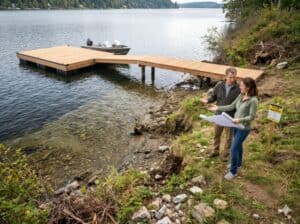
Placing a dock directly behind the home may seem convenient, but the shortest walking distance does not always provide the best boating access. Water depth can vary considerably along the same shoreline, especially where sediment collects or underwater slopes change. A location with adequate depth during summer might become too shallow for a boat during seasonal drawdowns.
Boat owners should consider the vessel’s draft, which is the distance between the waterline and its lowest underwater point. Additional clearance helps account for changing water levels, wave movement, and underwater obstacles. A dock positioned too close to shallow areas can leave boats vulnerable to grounding even when the platform itself remains usable.
Shoreline orientation also affects everyday conditions. Prevailing winds may push boats against one side of the dock, while wakes from nearby boating channels can make certain locations uncomfortable. Experienced floating dock builders assess these factors before recommending placement. A slightly longer walkway may provide better protection, easier docking, and fewer problems during rough weather.
Why Boat Size Doesn’t Tell the Whole Story
Buyers often measure their boats from bow to stern and assume those dimensions are enough to determine slip size. However, outboard motors, swim platforms, boarding ladders, and other attachments can increase the space a vessel needs. Beam width, which measures the boat’s widest point, also affects maneuvering room inside a slip.
Clearance becomes particularly important when passengers board or unload equipment. Narrow openings can make docking difficult in windy conditions, while poorly positioned cleats may leave boats rubbing against the structure. Properly placed bumpers, mooring points, and walkways help protect both the vessel and the dock.
Future boat purchases deserve consideration as well. A family planning to upgrade to a larger pontoon or fishing boat may benefit from a layout that allows reasonable changes later. Buyers researching aluminum boat docks for sale should compare usable slip dimensions rather than relying only on the dock’s overall measurements. A large platform does not necessarily provide enough room for the boat it needs to accommodate.
The Costs That Don’t Always Appear in a Dock Quote
The advertised price of a dock may cover only its main structure, leaving several necessary expenses outside the initial estimate. Site preparation, delivery, installation equipment, gangways, anchoring hardware, and electrical work can increase the total project cost. Properties with steep banks or limited road access may also require additional labor and specialized equipment.
Permits present another expense that buyers sometimes overlook. Local authorities, lake management agencies, or other organizations may regulate dock dimensions, shoreline placement, and construction methods. Certain installations may require drawings, engineering documents, or environmental approvals before work begins.
Comparing aluminum docks for sale requires checking exactly what each manufacturer includes. One quotation may provide flotation units and decking as part of the package, while another charges separately for accessories or installation services.
Ongoing expenses also belong in the budget. Although aluminum docks generally require less surface maintenance than wooden structures, owners still need to inspect connections, flotation components, and anchoring equipment. Understanding warranty coverage, replacement-part availability, and likely maintenance costs gives buyers a better picture of the investment beyond its purchase price.
Will the Dock Still Work During Low Water or Bad Weather?
A dock that looks perfect during calm weather may behave differently once water levels change or strong winds arrive. Floating structures rise and fall with the water, but their anchoring systems must accommodate that movement without allowing excessive drifting. Fixed docks remain at one elevation, which can make boarding difficult during significant seasonal changes.
Gangway design becomes especially important on waterfront properties with steep banks. A short walkway may develop an uncomfortable slope when water levels fall, even if the floating platform remains properly supported. Longer gangways and suitable connections can help maintain access across a wider range of elevations.
Storm exposure creates separate concerns. Roofed docks experience additional wind loads, while open-water locations may receive stronger waves than protected coves. Manufacturers must account for these conditions through appropriate structural design and anchoring arrangements.
An aluminum floating dock can accommodate changing elevations, but it still has operating limits. Buyers should ask about minimum water depth, maximum expected movement, and how the structure responds to severe weather. These details help distinguish a dock designed for the actual waterfront from one selected mainly for its appearance.
Small Design Choices That Make Daily Use Easier
Everyday convenience often depends on features that receive little attention during the buying process. Cleat placement, walkway width, deck traction, and access to storage areas can affect how comfortably people use a dock. Poorly positioned accessories may create obstacles, especially when several passengers carry fishing equipment, coolers, or boating supplies.
Decking deserves careful consideration because different materials respond differently to sunlight, moisture, and foot traffic. Textured surfaces can improve traction, while proper drainage helps prevent standing water. Owners with children or older family members may also need to consider handrails, steps, and boarding arrangements.
Electrical planning should happen before construction if the dock will include lighting, boat lifts, or other powered equipment. Marine electrical installations require suitable equipment and professional attention to grounding, bonding, and electrical protection near water.
Flotation Systems offers custom aluminum boat docks with different layouts, decking choices, and floating dock configurations for residential and commercial waterfront properties. Its available design options give buyers room to consider details such as boat access, shoreline conditions, and intended activities before construction begins. Examining those practical requirements alongside the dock’s size and appearance can help property owners avoid compromises that become difficult to correct after installation.
