

3 Ways Smart Merchandise Operations Boost a Team’s Bottom Line
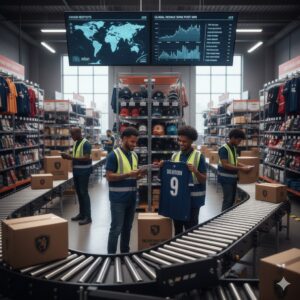
Every fan knows the feeling. A new signing is announced, the jersey drops online, and within hours the club store is slammed. Some teams handle that rush with ease. Others stumble, orders get delayed, and social feeds fill with frustration. The difference isn’t only about who has the best players. It is often about who runs the smartest merchandise operation behind the scenes.
Sports merchandise is now big business. It touches everything from fan loyalty to long-term revenue planning. And when teams get it right, the benefits can show up on the balance sheet and, eventually, on the field. Organized fulfillment systems like Ryder pick and pack fulfillment have become examples of how precision and scalability matter when thousands of orders hit at once.
The larger industry keeps expanding. Analysts tracking sports market growth show steady increases as fans buy apparel, collectibles, and special editions tied to big moments. That demand is real. The question is whether teams are ready for it.
1. Turning big emotions into reliable revenue
A last-second playoff win. A superstar transfer. A retro jersey re-release. These moments spike merchandise demand almost instantly. The best clubs plan for them instead of reacting.
That means stocking ranges for diehards and casual fans, forecasting sizes, and deciding when limited drops make sense. When merchandise becomes part of the fan story, not just a product on a shelf, it creates repeat habits rather than one-off splurges.
A lot of clubs quietly admit that apparel and accessories represent a huge percentage of turnover these days. That revenue can stabilize a season when results dip, which matters more than many fans realize.
2. Fulfillment that protects the brand
Buying is the easy part. Delivering correctly is where reputations are won or lost.
Fans expect accuracy, fair shipping, and reasonable timelines. Get the wrong size or the wrong player name, and good will evaporates fast. Teams that invest in simple, repeatable pick-and-pack systems reduce errors. They also create a cleaner unboxing experience that feels intentional, not rushed.
Coaches talk endlessly about “doing the little things right”. Spend a few minutes reading about great coaches and you notice the same lesson. Consistency breeds trust. Merchandise operations are no different.
- Scaling with data, not guesswork
Once a club builds a global fan base, the complexity multiplies. Multiple releases. Multiple countries. Peaks around rivalry games or championships. Internal spreadsheets can only go so far.
Teams that analyze order history can predict trends before they hit. Maybe youth sizes surge when a local academy star breaks through. Maybe a secondary color quietly outsells the main kit in certain regions. Those insights drive smarter purchasing and reduce the costly piles of unsold stock that used to sit in storerooms.
Partnerships matter here too. Specialist logistics groups handle volume swings, while clubs stay focused on storytelling, design, and fan relationships. When each side plays to its strengths, margins improve without fans ever noticing the machinery in the background.
The quiet wins that keep teams competitive
Merchandise rarely makes highlight reels. But it funds academies, facilities, sports science staff, and the buffers teams need when a season goes sideways. When orders arrive on time and look great, fans feel closer to the club. And when that happens year after year, something subtle but powerful forms: loyalty.
That is why the smartest organizations treat merchandise operations like another competitive edge, not just a souvenir stand. They respect the details, they plan for the rushes, and they use the same discipline fans expect to see on game day.
