

Common Bicycling Accidents and How to Avoid Them
Table of Contents
- Intersection Collisions
- Dooring Incidents
- Right-Hook Accidents
- Left-Cross Collisions
- Wrong-Way Riding
- Overuse Injuries
- Tips for Safe Cycling
Bicycling provides recreation, exercise, and a green transportation alternative, but the activity comes with certain risks that both new and seasoned cyclists should recognize. Being aware of where mishaps commonly occur can help riders proactively protect themselves while sharing the road with vehicles. If you’re injured while riding, Ward Law’s bicycle accident lawyers in Miami are available to help you understand your rights and seek any compensation you may be owed.
Cyclists face unique challenges on urban roads, where visibility and right-of-way confusion often contribute to avoidable crashes. Identifying the scenarios most likely to cause harm enables cyclists to change habits and take targeted safety measures. The information here is designed to help you stay alert, legal, and predictable, reducing your risk of experiencing a crash when riding on public streets.
Intersection Collisions
Intersections are one of the most dangerous locations for bicyclists. Collisions frequently occur when a cyclist enters the intersection without pausing or checking for oncoming vehicles. Sometimes, cyclists may assume drivers see them or that they have the right of way when they do not. To minimize your risk, always come to a complete stop at intersections, wait for a clear signal, and make eye contact with drivers to ensure mutual awareness. For a comprehensive look at staying visible and understanding right-of-way rules, visit NHTSA’s bicycle safety resources.
Dooring Incidents
Dooring occurs when a car’s door is flung open unexpectedly into the path of an approaching cyclist, often too late for evasive action. This type of crash can throw a cyclist into traffic or cause serious injuries. Cyclists should habitually ride at least three to four feet away from parked cars when possible. Stay alert for occupants inside vehicles and watch for signs that a door may open. Drivers and passengers can help prevent these incidents by using the Reach technique, reaching with the far hand to open the door, which encourages looking back for cyclists first.
Right-Hook Accidents
Right-hook accidents are a common risk for bicyclists traveling in bike lanes or on the right side of traffic. This incident happens when a vehicle overtakes a cyclist and suddenly turns right across the cyclist’s path. To protect yourself, be especially careful when approaching intersections and watch for turning vehicles. Try to avoid lingering in vehicles’ blind spots, particularly near driveways and intersections. Motorists should always signal their intentions and check mirrors and blind spots for cyclists before making turns.
Left-Cross Collisions
Another hazardous scenario is the left-cross collision, which occurs when an oncoming vehicle turns left directly in front of a cyclist. Drivers may misjudge a cyclist’s speed or simply fail to notice the rider. Cyclists can reduce risk by wearing brightly colored or reflective gear, using front lights even during the day, and being prepared to slow or stop if a vehicle begins a turn. For additional tips on cyclist visibility, explore reputable sources such as Bicycling Magazine’s safety guide. Drivers should always yield to oncoming bicycles and check thoroughly before turning left across lanes.
Wrong-Way Riding
Riding against the flow of traffic is a frequent cause of head-on collisions and side-swipes. Drivers expect all traffic, including bicyclists, to move in the same direction. Wrong-way riding not only surprises drivers but is often illegal, putting cyclists further at risk. Always ride in the same direction as vehicular traffic, and adhere to all posted signs and signals designed for road safety.
Overuse Injuries
Not all cycling-related injuries result from sudden, traumatic crashes. Long-term issues, such as knee pain, wrist discomfort, or lower back strain, can develop from improper bike fit, repetitive motion, or poor riding technique. Regular adjustments, proper stretching, and ensuring your bicycle matches your body can prevent these chronic problems. If you ride frequently, consider having a professional bike fit done or consult resources from organizations like the Mayo Clinic for guidelines on managing sports-related overuse injuries. For more information, see Mayo Clinic’s tips to prevent injuries while biking.
Tips for Safe Cycling
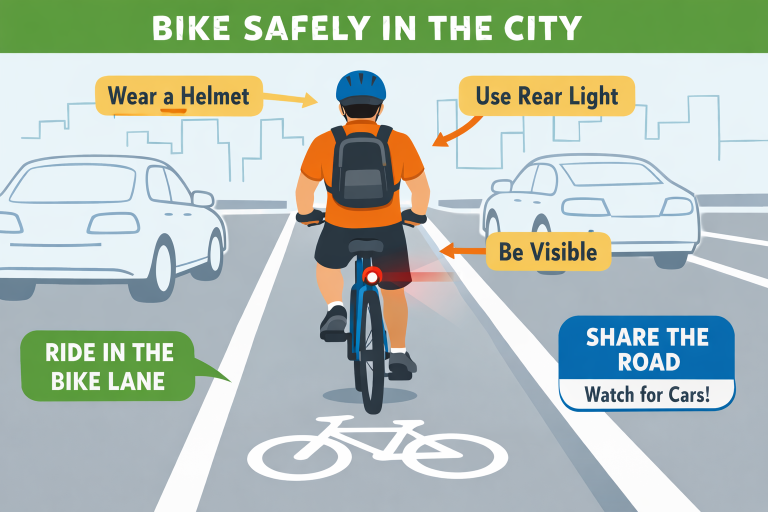
- Wear a Helmet. Proper helmet use significantly reduces the risk of head injury in a crash.
- Be Visible. Equip your bike with lights and wear reflective gear, especially at night or during low-light hours.
- Follow Traffic Laws. Ride predictably and comply with all signals and signage so drivers can anticipate your actions.
- Stay Alert. Avoid headphones and stay focused on your environment to detect hazards early.
- Use Hand Signals. Communicate your intentions clearly to both drivers and other cyclists.
Implementing proven safety habits and understanding the key risk factors can help you avoid the most common types of bicycle accidents. Whether you are biking for sport, health, or transportation, ongoing vigilance and adherence to best cycling practices will help you enjoy all the benefits of cycling while reducing your risk of injury or collision.
Another aspect of bicycling safety often overlooked is choosing the right route for your ride. When possible, select roads with established bike lanes or dedicated cycling paths. These routes are generally designed to minimize interactions with motor vehicles, making them inherently safer. If you’re riding in areas without bike lanes, position yourself where you are visible to drivers, even if it means occupying more of the roadway at certain moments. Never be afraid to advocate for your safety.
It is also crucial to keep your bicycle well-maintained. Regularly check your brakes, tire pressure, and chain to avoid mechanical failures that could lead to sudden accidents. Carrying a basic repair kit, including a spare tube and pump, can keep you from being stranded and forced to take dangerous risks. Maintenance checks, especially before long rides, go a long way in preventing unexpected breakdowns and ensuring a smooth, safe cycling experience every time you hit the road.
Lastly, consider the weather’s impact on your ride. Wet or icy surfaces can dramatically increase stopping distances and reduce tire grip, both for bikes and cars. Adjust your speed, keep a greater distance from vehicles, and be extra cautious when making turns or crossing painted road markings when visibility or traction is poor. Taking these extra precautions in inclement weather can significantly reduce your risk of an accident and keep your bicycling adventures both safe and enjoyable all year round.
