

Cutting-Edge Practices in Modern Dentistry for Optimal Health
Table of Contents
- Patient-Centered Designs
- Integration of Artificial Intelligence
- Rise of Oral Probiotics
- Emphasis on Preventive Care
- Cosmetic Dentistry Boom
- Sustainable Practices
- Holistic Approaches
- Conclusion
Modern dentistry has evolved dramatically over the past decade, incorporating advanced technology and holistic theories to reshape the traditional dental experience. Today, dental wellness is about much more than just treating cavities or cleaning teeth; it’s about combining preventive care, innovative tools, and patient-centered philosophies to boost both oral and overall health. As wellness enthusiasts and professionals embrace these advancements, patients are finding better ways to maintain healthy teeth and gums. For those considering advanced solutions like dental implants, learning about treatments such as dental bone graft has become an important part of making informed decisions on their oral health journey.
This shift in dental care means that both practitioners and patients are rethinking the dental office, dental treatments, and the long-term impact of oral health. From eco-friendly clinics to artificial intelligence-powered diagnosis, the landscape now caters to both health outcomes and patient experiences. Preventive care has taken center stage, reducing the need for invasive interventions and promoting healthier lifestyles overall.
Patient-Centered Designs
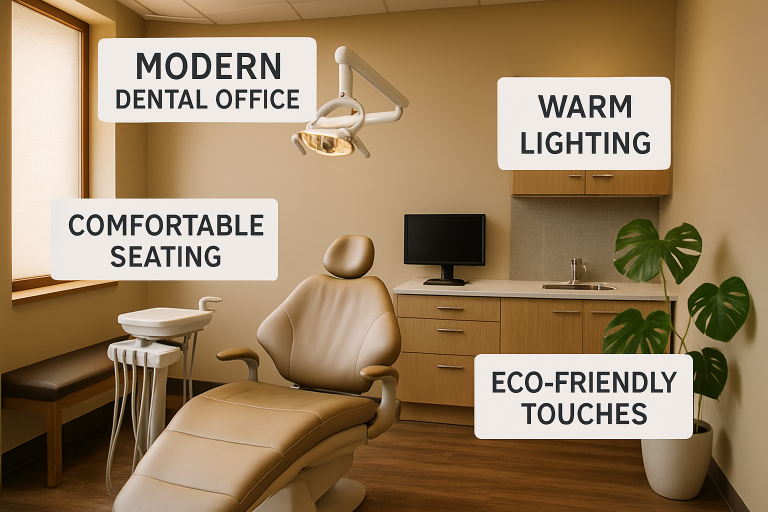
The modern dental office looks and feels vastly different from those of the past. Clinics now prioritize not only state-of-the-art technology but also patient comfort and psychological well-being. Warm lighting, ergonomic furniture, and tranquil décor are thoughtfully designed to minimize anxiety and create a sense of calm, especially for patients who have historically dreaded dental visits. This idea of patient-focused environments extends to the entire dental team, who are now trained to provide empathetic and personalized care. The focus on mental comfort is supported by studies that stress its critical role in delivering positive health outcomes and reducing dental appointment avoidance.
Integration of Artificial Intelligence
Artificial Intelligence (AI) is making waves in dentistry, changing how clinicians diagnose and treat patients. High-powered algorithms sort through thousands of dental images to spot irregularities that even seasoned professionals might miss. AI in dental care goes beyond imaging: these smart systems can now generate treatment plans, optimize appointment schedules, and send out timely reminders to ensure patients never miss routine checkups. Some AI applications also provide real-time oral health analysis, enabling early intervention and greatly improving outcomes compared to reactive care.
Rise of Oral Probiotics
There is more attention than ever on the oral microbiome’s role in whole-body health. Oral probiotics are emerging as an effective way to balance bacteria in the mouth, naturally countering pathogens that cause cavities and gum disease. Instead of targeting only harmful bacteria, as traditional antiseptic rinses do, probiotics promote healthy microbes that help maintain mouth and gum health. This approach fits into a broader trend in healthcare that values microbiome diversity and recognizes its impact on digestive, immune, and even neurological health. While research is ongoing, initial studies show oral probiotics help reduce gum inflammation and may lower the risk of dental problems for some people.
Emphasis on Preventive Care
Proactive preventive care is now at the forefront of dental wellness, driven by both clinical evidence and patient demand. The focus is on identifying issues early, before they require complex interventions. Techniques such as sealants, fluoride applications, and early decay detection are now routine, while patient education is strongly emphasized. Dentists are spending more time teaching good home care practices and encouraging regular visits to maintain oral health, which decreases the likelihood of costly, invasive procedures down the road. This philosophy also underscores the importance of individualized care plans that consider both risk factors and patient goals.
Cosmetic Dentistry Boom
Cosmetic procedures are gaining immense popularity as people grow more conscious of their smiles in an era of social media and remote work. Choices include professional whitening, veneers, invisible aligners, and advanced bonding techniques. These enhancements do more than improve looks; they often boost confidence as well. The demand for minimally invasive, natural-looking results has prompted practitioners to develop new techniques and materials that deliver a youthful appearance while preserving oral function. Patients are also educated on the long-term care involved, leading to more responsible decisions about their aesthetics.
Sustainable Practices
As awareness of environmental issues grows, the dental field is stepping up its sustainability efforts. Clinicians are increasingly using reusable or biodegradable materials and digital workflows to reduce paper and plastic waste. Many clinics now seek out dental equipment made with energy efficiency in mind and participate in wellness programs to recycle supplies. These industry changes are helping reduce the carbon footprint of dental care, attracting patients who share similar values and want their healthcare providers to demonstrate environmental responsibility.
Holistic Approaches
Holistic dentistry goes beyond teeth and gums. It ties oral wellness closely with nutrition, lifestyle habits, and the selection of biocompatible materials. Treatments such as mercury-free fillings and BPA-free composites have become standard in these practices. Furthermore, dentists who take a holistic approach consider factors such as diet and systemic inflammation when recommending at-home regimens or in-office therapies. This comprehensive perspective acknowledges that a healthy mouth can support the body’s balance, reflecting the interconnectedness of oral and overall health.
Conclusion
Modern dental wellness trends show a clear move toward more comprehensive, technology-driven, and patient-friendly care. The integration of digital innovations, emphasis on comfort, and focus on sustainability all work together to create a more effective and satisfying dental experience. By staying up-to-date with these trends, patients and practitioners ensure long-lasting oral health benefits that fit current wellness philosophies.
