

What Really Counts as Insurance Bad Faith in Reno, NV? A Closer Look
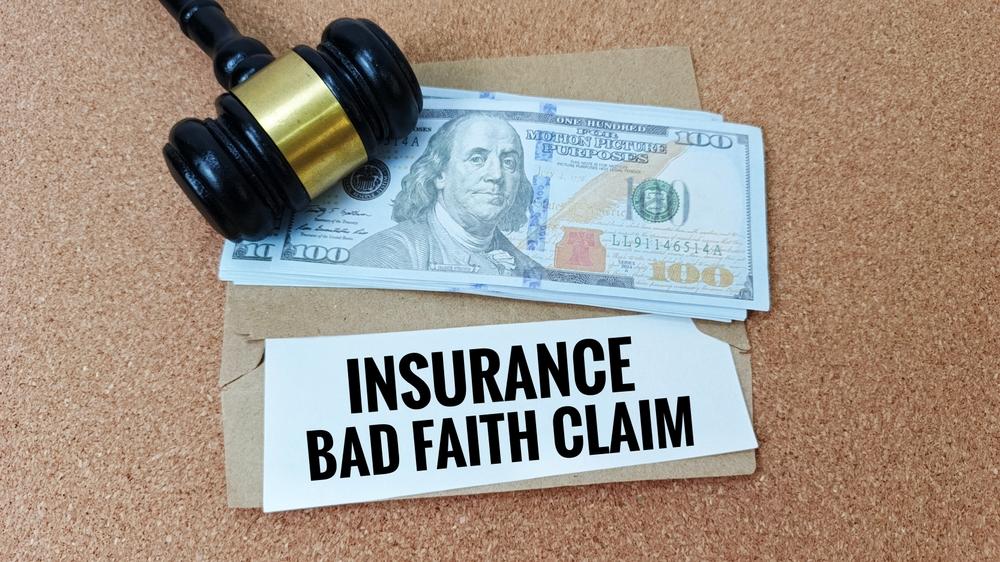
Promises written in an insurance policy carry a quiet weight, especially in Reno, NV, where people rely on them during uncertain times. There is an expectation that support will arrive without resistance, yet that expectation does not always match reality.
Some claims move forward smoothly, while others face delays, confusion, or denial that feels difficult to explain. These situations raise an important question about fairness and responsibility. Understanding what truly counts as insurance bad faith brings clarity to these moments and helps make sense of actions that may otherwise feel unclear.
What Insurance Bad Faith Means
Insurance bad faith refers to a situation where an insurance company does not treat a policyholder fairly or honestly while handling a claim. The company has a duty to review claims properly, communicate clearly, and make decisions based on the terms of the policy.
People often consult a bad-faith insurance attorney in Reno to understand whether a situation crosses into unfair conduct, as not every denial or delay means bad faith. The difference lies in how the insurer behaves during the process and whether that behavior follows reasonable standards.
Common Situations That May Count as Bad Faith
There are certain situations that often point toward bad faith, though each case depends on its details. A claim may be denied without a clear or valid reason, leaving the policyholder without a proper explanation. Delays can also raise concern if they continue without communication or justification. In some cases, the insurer may fail to investigate the claim properly, which leads to incomplete or unfair decisions.
Misrepresenting policy terms is another issue, especially if it causes confusion about what is actually covered. These patterns, when seen together, help show whether the conduct goes beyond a simple disagreement.
The Difference Between a Dispute and Bad Faith
Not every disagreement between a policyholder and an insurance company means bad faith has occurred. There are times when a claim is denied because it does not meet the policy terms, and this can be part of a normal process.
The key difference lies in the approach taken by the insurer. A fair dispute includes clear communication and a reasonable explanation, while bad faith often involves delay, lack of transparency, or actions that seem intended to avoid payment. Looking at intent and consistency helps separate a standard disagreement from unfair conduct.
Key Factors That Help Identify Bad Faith
Understanding whether bad faith has occurred requires looking at specific factors that reveal how the claim was handled.
- Communication between the insurer and the policyholder, including clarity and response time
- Timeline of the claim process and whether delays were explained
- Documents provided by the insurer to support decisions
- Consistency in how the claim was reviewed and handled
- Whether actions align with Nevada insurance laws
These factors work together to create a clearer picture of the situation and help determine if the conduct was reasonable or not.
How Bad Faith Affects Policyholders
Bad faith can create serious challenges for policyholders, especially when financial support is delayed or denied. Medical bills, repair costs, or other expenses may continue to grow while the claim remains unresolved.
This situation can add pressure and make it harder to manage daily responsibilities. The impact is not limited to money, as ongoing uncertainty can also affect decision-making and planning. A fair process helps reduce these difficulties, which is why identifying bad faith is an important step.
Legal Perspective in Reno, NV
In Reno, NV, insurance companies are expected to follow rules that promote fairness and proper conduct. These rules are designed to protect policyholders and ensure that claims are handled in a responsible way.
If an insurer fails to meet these expectations, there may be legal consequences that address the situation. Understanding these protections helps explain why certain actions are taken seriously and why accountability plays a role in maintaining balance within the system.
Importance of Acting on Time
Time plays an important role in insurance matters, as delays can make it harder to gather evidence or challenge decisions.
Acting within the allowed time frame keeps the insurance claim active and ensures that important details are preserved. Early action also provides more room to review documents and understand the situation clearly. Keeping track of deadlines helps maintain control over the process.
Bringing Clarity to Unfair Practices
Insurance bad faith is not just about a denied claim but about how that claim was handled from start to finish. The full picture includes actions, communication, and consistency.
A better understanding of these elements helps make sense of situations that may feel uncertain. Speaking with a bad-faith insurance attorney in Reno can connect these details and provide a clearer path forward when fairness is in question.
