

Does the Cold Make Cramps Worse?
As winter approaches, many people find themselves questioning if there’s a connection between chilly temperatures and heightened discomfort during that time of the month. This guide examines the science behind whether cold temperatures truly exacerbate menstrual cramps and how supplements like FLO, lifestyle changes, and other potential solutions could offer relief.
The Science Behind Menstrual Cramps
Menstrual cramps, also known as dysmenorrhea, are a common occurrence among individuals with menstrual cycles. These cramps typically occur due to the shedding of the uterine lining during menstruation, leading to contractions in the uterus.
Hormones called prostaglandins play a significant role in triggering these contractions, causing the characteristic pain and discomfort associated with cramps. Understanding the biological mechanisms behind menstrual cramps is crucial in demystifying their occurrence.
While hormonal fluctuations and uterine contractions are primary culprits, external factors can also influence the intensity of cramps. The impact of factors like stress, diet, and even weather conditions, such as cold temperatures, is often a subject of curiosity and investigation.
Debunking the Cold Weather Myth
Several factors could contribute to the exacerbation of cramps in cold weather. Changes in blood circulation may be a key player, as colder temperatures can lead to vasoconstriction, reducing blood flow to the muscles and potentially intensifying discomfort.
Additionally, colder environments can cause muscles to tense up due to the body’s natural response to cold-induced constriction, which can exacerbate cramping sensations. Psychological influences, including the perception of cold as a stressor, might also impact how individuals experience cramps during colder periods.
Tips for Managing Menstrual Cramps in Cold Weather
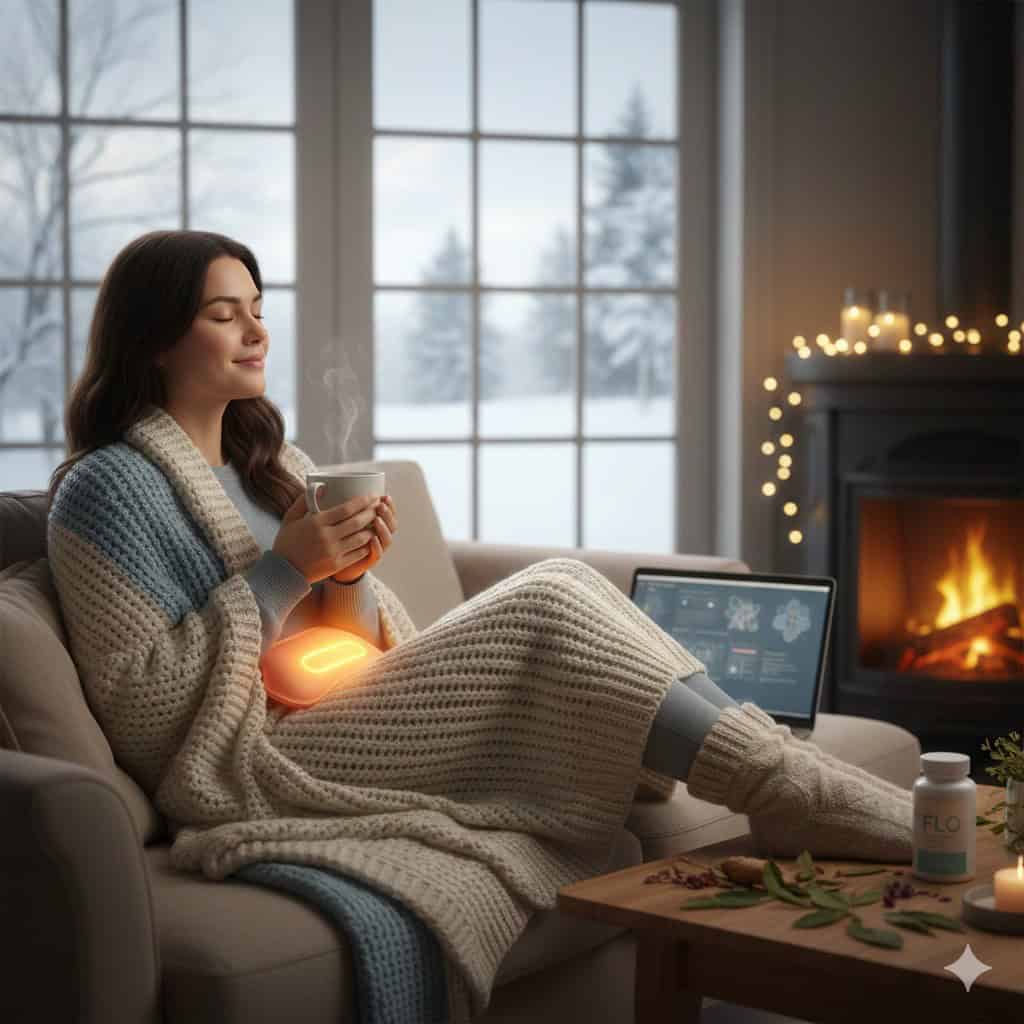
When facing menstrual cramps during the colder months, incorporating practical strategies can help alleviate discomfort and manage symptoms effectively. Staying warm by using heating pads or taking warm baths can provide relief by relaxing the muscles and easing cramp-related pain.
Layering up with cozy clothing and staying hydrated can also help in mitigating discomfort during menstruation in chilly weather. Engaging in light exercises, practicing relaxation techniques, and maintaining a balanced diet rich in nutrients can further support menstrual cramps, even when temperatures drop.
By incorporating these lifestyle adjustments and establishing a cozy, welcoming space, individuals can better manage the discomfort of menstrual cramps in colder seasons. This proactive approach enables them to face the challenges with increased comfort and ease.
Exploring PMS Supplements
When it comes to menstrual symptoms, PMS supplements have gained popularity as potential allies in combating discomfort. These supplements typically contain a blend of natural ingredients known for their purported benefits in alleviating symptoms of PMS (Premenstrual Syndrome).
Ingredients like dong quai, vitamin B6, and chasteberry are commonly found in PMS supplements, each believed to address specific aspects of menstrual health. While research on the efficacy of these supplements is ongoing, many individuals report finding relief from symptoms like hormonal bloating, mood swings, and cramps through supplement use.
Lifestyle Adjustments for Better Periods
In addition to exploring supplementation, adopting lifestyle adjustments can significantly impact menstrual well-being and alleviate period-related discomfort. Maintaining a balanced diet rich in essential nutrients such as iron, calcium, and omega-3 fatty acids can support overall menstrual health.
Regular physical activity, even light exercises like yoga or walking, can help reduce stress levels and ease cramps. Stress management techniques like mindfulness meditation and deep breathing exercises have been shown to be beneficial in minimizing PMS symptoms.
Adequate sleep, hydration, and proper self-care practices contribute to a holistic approach to better periods. By incorporating these lifestyle modifications, individuals may experience improved menstrual health and reduced discomfort during their monthly cycle.
Informed Choices and Empowered Health
Education and open dialogue play a crucial role in empowering women to take control of their menstrual health and well-being. By providing accurate information, resources, and platforms for discussion, individuals can gain a deeper understanding of their bodies and menstrual cycles.
Encouraging women to engage in conversations about period-related issues, including the impact of factors like weather and lifestyle on menstrual health, fosters a supportive and informed community. Equipping women with knowledge about remedies, supplements, and lifestyle adjustments enables them to make informed decisions about their health needs.
Empower yourself with knowledge, advocate for your well-being, and navigate your menstrual journey with confidence and understanding. Good luck!
