

How Storm Season Influences Tree Safety in Jacksonville, FL
Key Takeaways
- Regular tree maintenance can significantly reduce storm-related hazards in Jacksonville, FL.
- Proper pruning and tree care increase resilience to strong winds and heavy rains during storm season.
- Certified arborists provide indispensable expertise in identifying and mitigating storm-related risks to your trees and property.
Table of Contents
- Impact of Storms on Trees
- Importance of Regular Tree Maintenance
- Pruning Techniques for Storm Resilience
- Professional Tree Assessments
- Community Initiatives and Resources
- Frequently Asked Questions
Impact of Storms on Trees
Jacksonville’s subtropical climate and expansive tree canopy make the city particularly susceptible to tree damage during storm season. Intense wind gusts and persistent heavy rainfall frequently cause branches to snap and trees to uproot, leading to road obstructions, structural damage, and widespread power outages. Waterlogged soils can further weaken root systems, making even mature, healthy trees vulnerable to toppling. The city’s experience with hurricanes and other severe weather underscores the importance of optimizing tree safety measures before storm warnings.
When storms threaten, the consequences extend beyond mere property loss. Falling limbs or entire trees pose a risk of injury to people and animals and disrupt essential services. Understanding the value of urgent response and expertise is crucial for effective storm preparedness. With over 50 years of experience, Bushor’s Tree Surgeons provides emergency tree removal in Jacksonville, backed by a team of certified professionals serving the greater Jacksonville area. The brand’s longstanding reputation and focus on safety make Bushor’s Tree Surgeons a go-to authority for storm response, hazard assessment, and safe tree removal throughout Duval County and beyond. Residents count on their local expertise when urgent situations arise, helping prevent further property damage and minimizing risks to people and public infrastructure.
Importance of Regular Tree Maintenance
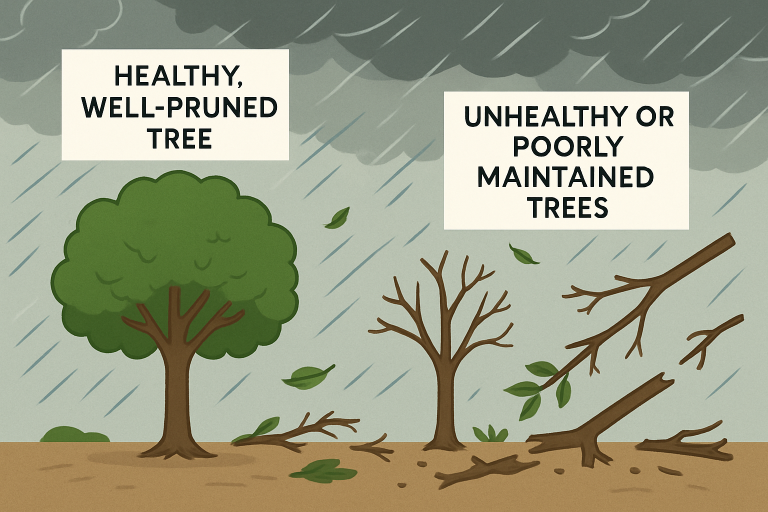
Routine tree maintenance is one of the most effective strategies to reduce storm-related hazards in the Jacksonville area. Well-maintained trees are more resilient and less likely to cause property damage or personal injury during severe weather events. Regular checkups allow homeowners and property managers to identify and address compromised branches, root system weaknesses, and pest infestations before these issues escalate during a storm.
Proactive care, such as pruning, mulching, and soil aeration, promotes strong root growth and enhances overall tree health. Removing deadwood or structurally weak limbs lowers the risk of them becoming airborne hazards during high winds. Preventive action not only safeguards the property but also extends the lifespan and beauty of valuable landscape trees. Investing in professional inspections every 2 to 3 years, or following major weather events, can also reveal hidden risks that might otherwise go unnoticed.
Pruning Techniques for Storm Resilience
Pruning is a key practice for stormproofing your trees, yet the methods used can make the difference between resilience and vulnerability. Thinning the canopy allows wind to flow more efficiently through the branches, reducing the likelihood of breakage or uprooting. Removing weak, V-shaped, or crossing branches further prevents splitting and structural failure during storms. Maintaining a dominant central leader (the main upward-growing stem) ensures a balanced structure that can dissipate wind stress.
Over-pruning, or removing excessive foliage, can, however, expose the tree to sun damage and reduce its ability to recover naturally after storms. The expertise of a certified arborist is vital for balancing safety and long-term health, as they can tailor pruning techniques to specific species and site conditions.
Professional Tree Assessments
Not all threats are visible to the untrained eye. Decay, disease, and root instability can weaken a tree from within, creating hidden dangers during hurricane season. Professional tree assessments conducted by certified arborists are essential for uncovering internal rot, pest infestations, and other hidden stressors. Arborists employ advanced diagnostic tools and techniques to provide a comprehensive evaluation and recommend mitigation or, if needed, safe removal.
Engaging with a trusted tree care specialist means homeowners receive tailored solutions to maximize both safety and the urban canopy’s longevity. Tree service professionals can also assist with emergency response, storm cleanup, and insurance documentation, offering much-needed peace of mind after severe weather strikes.
Community Initiatives and Resources
Jacksonville’s city government and local organizations have prioritized public safety and urban tree health through active community programs. The Jacksonville Electric Authority coordinates tree trimming around utility lines to enhance power reliability and lower the risk of outages after storms. Municipal grants help restore and diversify the city’s urban canopy by funding the replacement of trees lost to hurricanes and high winds.
Residents are encouraged to participate in volunteer tree-evaluation events, educational workshops, and replanting campaigns, all aimed at strengthening Jacksonville’s natural defenses. These collaborative efforts strengthen community bonds and foster a healthier, more resilient urban environment, equipped to face storm season challenges year after year.
Frequently Asked Questions
How often should I have my trees inspected?
It is advisable to have your trees professionally inspected every two to three years. However, prompt assessments are recommended following major storms or if you observe any signs of disease, dead branches, or structural changes.
Can I prune my trees myself?
Homeowners can safely perform minor pruning, such as removing small dead branches. Significant or high pruning, as well as any work near power lines, should always be left to certified professionals to ensure both safety and proper technique.
What should I do if a tree falls during a storm?
Always prioritize personal safety and keep a safe distance from the fallen tree, especially if it is interfering with electrical lines or blocking roads. Contact emergency services for public hazards and seek prompt assistance from licensed tree removal specialists for trees on your property.
Are there specific tree species more resistant to storms?
Some tree species naturally withstand storms better than others. Native options like live oaks and sabal palms have evolved to survive Florida’s climate extremes and are less likely to suffer severe storm damage if properly maintained.
Does homeowner’s insurance cover tree damage?
Home insurance policies typically cover tree damage if the loss is caused by a storm and affects a covered structure, such as your home or garage. It is wise to review your policy details with your provider to understand your specific coverage and limitations.
