

What That Smell from Your Shower Drain Is Telling You
An unpleasant smell coming from a shower drain is often brushed off as a minor inconvenience – something that can be solved with a quick clean or a splash of disinfectant. In reality, it’s a far more common issue than many homeowners realise, particularly in areas where blocked drains Brighton and the surrounding region are a frequent concern due to ageing pipework and shared drainage systems. Because the shower is used daily, changes in how it smells tend to creep in gradually, making it easy to ignore until the odour becomes impossible to overlook.
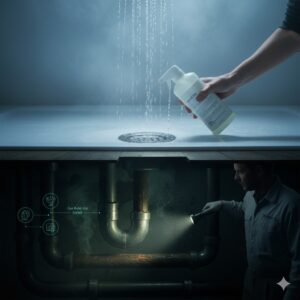
What many people don’t realise is that different smells usually point to different underlying causes. A sulphur-like odour, a damp musty smell, or a stronger sewage-type scent are rarely random. Each one is a clue, hinting at what’s happening inside the drainage system below the surface – whether that’s trapped gases, stagnant water, or an issue developing further along the pipework.
Crucially, a smelly shower drain isn’t just a matter of cleanliness. While surface debris and residue can play a role, persistent or recurring odours are often a signal that something isn’t functioning as it should within the drainage system itself. This is a principle well understood by experienced drainage specialists such as DrainBoss, who regularly deal with cases where early smells are the first warning sign of a deeper problem. Understanding and responding to these signals early can make the difference between a simple fix and a far more disruptive issue later on.
Understanding How Shower Drain Systems Work
To understand why shower drain smells occur, it helps to know – at least in simple terms – how the drainage system is designed to work. Modern shower drains aren’t just pipes that carry water away; they’re carefully designed to prevent unpleasant odours from travelling back into the bathroom.
At the heart of this system is the trap, often referred to as a P-trap or water seal. This curved section of pipe sits directly beneath the shower drain and always holds a small amount of water. That trapped water acts as a barrier, blocking sewer gases from rising back up through the pipe and into your home.
In normal conditions, a shower drainage system should work as follows:
- Water flows freely from the shower through the drain and into the pipework
- A small amount of water remains in the trap at all times, maintaining the seal
- Air pressure within the system stays balanced, allowing water to drain smoothly
- Odours from the drainage network are contained and never enter the bathroom
When everything is functioning correctly, you shouldn’t notice any smell at all – even in bathrooms that are used daily. If odours start to appear, it usually means that this balance has been disrupted, which is why understanding these basics makes the underlying causes much easier to identify in the sections that follow.
What Different Shower Drain Smells Usually Indicate
Not all drain smells are the same – and that’s important. The type of odour coming from a shower drain often provides the clearest clue about what’s happening within the system. Consider it a form of diagnosis by scent: the nose notices what the pipework can’t show.
Rotten Egg or Sulphur Smell
A sulphur or “rotten egg” smell is one of the most recognisable – and most unsettling – drain odours. It’s typically linked to gas build-up caused by stagnant conditions within the drainage system.
This type of smell often develops when:
- Water is no longer sitting properly in the trap, allowing gases to rise
- Sections of pipe experience poor flow, leading to stagnation
- Bacteria break down organic matter and release sulphur-based gases
While it may start off faint, this smell rarely resolves on its own and usually points to an imbalance somewhere in the system.
Musty or Damp Smell
A damp, earthy or musty smell is usually less aggressive but no less important. This type of odour tends to develop gradually and is often associated with persistent moisture and slow-moving water.
Common contributing factors include:
- Residual water sitting in pipework for extended periods
- Early stages of biological film forming on internal surfaces
- Limited airflow preventing the system from drying out naturally
These smells often appear before any obvious drainage issue, making them an early warning sign rather than a cosmetic nuisance.
General Sewage or Foul Odour
A strong sewage-like smell is the most serious category and should never be ignored. Unlike lighter odours, this usually indicates a failure in containment, meaning gases are escaping where they shouldn’t.
This can suggest:
- Compromised seals within the drainage system
- Issues extending beyond the shower itself
- A developing fault somewhere deeper in the property’s drainage network
Left unresolved, these smells can worsen quickly and are often accompanied by other symptoms over time.
Common Shower Drain Smells and What They Suggest
| Type of Smell | Likely Indication | Why It Matters |
| Rotten egg / sulphur | Gas build-up, loss of water seal, bacterial activity | Indicates stagnation or loss of protection against gases |
| Musty or damp | Trapped moisture, slow flow, early biological film | Often an early-stage warning sign |
| Strong sewage or foul odour | Seal failure or deeper drainage issue | Can point to a more serious system fault |
Understanding these distinctions helps move beyond guesswork. Rather than masking the smell, identifying its nature makes it far easier to determine whether the issue is minor, developing, or something that needs prompt attention.
Why the Smell Often Returns After “Quick Fixes”
Many homeowners are surprised when a shower drain smell disappears after cleaning – only to return days or weeks later. This usually happens because most “quick fixes” are designed to treat the surface of the problem, not its source. Hot water flushes, chemical cleaners and household remedies can temporarily reduce odours by washing away loose residue, but they rarely address what’s happening deeper inside the drainage system.
The key difference lies between eliminating a symptom and resolving the underlying cause. While surface-level cleaning may remove the immediate smell, it doesn’t correct issues such as poor flow, trapped moisture, disrupted air pressure or deteriorating seals. As a result, the conditions that allowed the odour to develop in the first place remain unchanged.
Drainage problems also tend to be cumulative rather than sudden. Small amounts of residue, minor restrictions in the pipework or subtle changes in system balance build up gradually over time. Each temporary fix may slightly delay the issue, but without proper intervention, the system simply returns to the same state – and the smell follows. This is why recurring odours are often a sign that the problem is progressing quietly beneath the surface, rather than being properly resolved.
Less Obvious Causes Homeowners Rarely Consider
When a shower drain smells but appears to be working normally, the cause is often not where most people expect it to be. Beyond surface residue and the trap itself, there are several less obvious factors that can quietly affect how odours form and travel through a drainage system.
One common issue is partial flow restriction below the level of the shower. Water may still drain away without backing up, giving the impression that everything is fine, but reduced flow further down the line can allow waste water and gases to linger. Over time, this stagnation creates ideal conditions for odours to develop and move back towards the bathroom.
Another frequently overlooked factor is incorrect pipe gradients. Drainage systems rely on gravity, and even small deviations in pipe fall can slow the movement of water. When pipes don’t slope correctly, moisture and residue remain behind instead of being carried away efficiently, increasing the likelihood of smells forming.
Air pressure imbalances within the system can also play a significant role. Drainage relies on balanced airflow to move waste water smoothly. If pressure fluctuates – even slightly – it can disturb the water seal in the trap or draw gases back towards the shower drain.
Crucially, a smelly shower drain isn’t always an isolated issue. In many cases, it’s linked to the wider drainage network within the property. Problems elsewhere in the system can influence airflow and pressure throughout the network, meaning an issue far from the bathroom may still manifest as an unpleasant smell in the shower. Understanding this connection is key to identifying why some odours persist despite repeated attempts to address them locally.
When a Smelly Shower Drain Points to a Wider Drainage Issue
In some cases, a persistent smell from the shower drain is a sign that the issue extends well beyond a single outlet. One of the clearest indicators is when odours continue despite regular cleaning and basic maintenance, or when they seem to come and go without an obvious trigger. These patterns often suggest that the problem lies deeper within the drainage system rather than at the shower itself.
Another warning sign is when smells are accompanied by recurring issues elsewhere in the property. Slow drainage in other fixtures, occasional gurgling sounds, or unpleasant odours appearing in more than one room can all indicate that the drainage network is under strain. While each symptom may appear minor on its own, together they point to a system that isn’t operating as intended.
In situations like these, focusing on a single drain rarely delivers lasting results. Drainage systems function as a connected network, and disturbances in one area can affect airflow, pressure and flow elsewhere. That’s why a system-wide approach is often necessary – one that looks at the overall condition and performance of the drainage rather than treating isolated symptoms. Identifying the true source of the problem early can help prevent further disruption and avoid more complex issues developing unnoticed.
Practical Prevention: Reducing the Risk of Recurring Drain Odours
While it’s not always possible to prevent every drainage issue, consistent preventative habits can significantly reduce the likelihood of unpleasant smells returning. The key is to focus on maintaining normal system conditions, rather than reacting only once a problem becomes obvious.
Effective preventative measures include:
- Regular use of infrequently used showers. Showers that are rarely used are more likely to develop odours, as water in the trap can evaporate over time. Running these showers periodically helps maintain the water seal and keeps the system balanced.
- Managing moisture levels in the bathroom. Excess humidity encourages lingering moisture within the drainage system. Good airflow and controlled moisture levels help reduce conditions that allow odours to form.
- Responding early to changes in smell. A subtle change in odour is often the first indication that something within the system is beginning to shift. Addressing these changes early can prevent them from developing into persistent or widespread issues.
- Understanding the value of prevention. Minor drainage imbalances are usually far simpler – and far less costly – to address when identified early. Preventative attention helps avoid the disruption, expense and inconvenience that often accompany more advanced drainage problems.
Taking a proactive approach doesn’t just improve day-to-day comfort; it also helps protect the long-term performance of the entire drainage system.
When It’s Time to Seek Professional Assessment
While minor or occasional odours can sometimes settle on their own, there are clear situations where further investigation becomes necessary. Recognising these moments early can prevent a relatively contained issue from developing into something far more disruptive.
You should consider a professional assessment if:
- The smell persists despite regular cleaning or basic preventative stepsOngoing odours usually indicate that the underlying conditions causing them haven’t been resolved.
- The odour is strong, recurring or worsening over timeEscalating smells often point to a developing fault rather than a one-off imbalance.
- Unpleasant smells appear alongside other drainage symptomsSlow drainage, intermittent gurgling or odours affecting more than one area of the property suggest a broader system issue.
- The source of the smell is unclearWhen it’s not obvious where the odour is coming from, guesswork can lead to missed problems or unnecessary disruption.
Drain smells are frequently the first noticeable sign of a deeper drainage issue. Long before visible damage or complete blockages occur, changes in airflow, flow rate or containment can manifest as odours. Ignoring these early warnings allows problems to progress quietly beneath the surface.
Targeted diagnostic assessment removes uncertainty from the process. Rather than relying on trial and error, it focuses on identifying the exact cause and location of the issue, allowing it to be addressed accurately and efficiently. This approach not only saves time and effort, but also helps ensure the problem is properly resolved rather than temporarily concealed.
Conclusion: Listening to What Your Shower Drain Is Telling You
A smelly shower drain is rarely random. Whether it’s a faint musty odour or a stronger sewage-like smell, it’s best understood as a form of communication from the drainage system itself. These smells often appear long before visible problems such as blockages or flooding, making them one of the earliest indicators that something within the system is no longer functioning as it should. Paying attention to these signals – and responding early – can help prevent minor imbalances from developing into disruptive and costly drainage issues.
This is where experience and proper assessment matter. Companies such as DrainBoss work daily with complex drainage networks across domestic and commercial properties, including resolving recurring issues like blocked drains Burgess Hill and surrounding areas. Their approach reflects an important principle highlighted throughout this article: effective drainage solutions start with understanding the system as a whole. By recognising smells as early warning signs rather than surface-level inconveniences, property owners are far better placed to protect the long-term health of their drainage systems – and avoid problems escalating unnoticed beneath the surface.
