

Why Your Dental Visit Should Look at More Than Just Teeth
Key Takeaways
- Dental check-ups play a critical role in detecting systemic diseases early, not just dental issues.
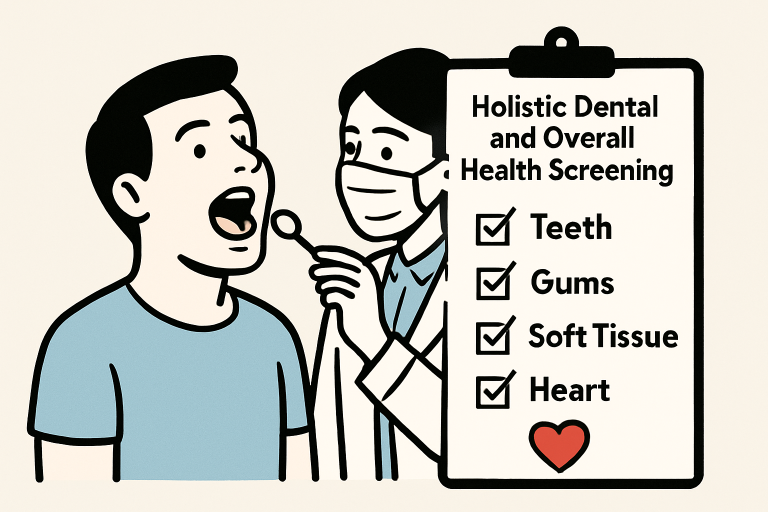
- Checks for oral cancer, gum health, and jaw alignment can help prevent severe complications.
- Regular visits support overall health through lifestyle guidance and the assessment of soft tissues and glands.
Table of Contents
- Introduction
- Early Detection of Systemic Health Issues
- Oral Cancer Screening
- Monitoring Gum Health
- Assessing Jaw and Bite Alignment
- Evaluating Soft Tissues and Salivary Glands
- Reviewing Lifestyle Factors
- Final Thoughts
Introduction
When most people think about visiting the dentist, they picture a routine cleaning, a quick exam, or perhaps a filling for a cavity. Yet, dental visits are vital for reasons that go far beyond sparkling teeth. Comprehensive dental care encompasses everything from detecting the earliest signs of systemic diseases to performing preventive screenings that can improve your long-term well-being. For those living in bustling areas, finding a professional dentist in Manhattan can be your first step toward a whole-body health mindset.
Dental health is inseparable from overall health. During a typical appointment, your dentist does more than just polish enamel. The exam is often the first line of defense in identifying red flags that might signal broader health challenges, underlining why regular appointments are so crucial.
Early Detection of Systemic Health Issues
Many systemic illnesses manifest first as subtle changes inside the mouth. Dentists are trained to spot abnormalities that may point to undiagnosed problems such as diabetes, heart disease, or even osteoporosis. For example, chronic inflammation or persistent gum issues could be a red flag for heart disease, as supported by research published through Harvard Health. Observant dentists can even note signs of bone density deficiencies or detect dry mouth, which can be associated with autoimmune disorders. Catching these issues early can result in more effective management and better patient outcomes.
According to the American Dental Association, over 100 conditions can produce telltale symptoms in the mouth. This underscores why those twice-a-year visits can change, or even save, your life.
Oral Cancer Screening
Oral cancer is a serious condition that, if left unnoticed, can progress rapidly. Dentists routinely search for abnormal lesions, lumps, or persistent sores that may indicate early malignancy. Annual screenings are essential since early detection of oral cancer dramatically improves survival rates. According to the American Cancer Society, routine dental exams play a significant role in early cancer diagnosis, emphasizing the need for patients not to skip their appointments.
Monitoring Gum Health
Gums form the foundation for oral and overall health. During every dental check-up, your gum health is evaluated for signs of periodontal disease. Gum disease can lead to tooth loss and has been strongly associated with conditions like diabetes and even stroke. Periodontal disease is often found in people with uncontrolled blood sugar, while the chronic inflammation it causes has been linked to increased cardiovascular risk. Resources from Dentaltown explain the many ways gum disease is interconnected with systemic health, making gum evaluations a vital part of each visit.
Checking gum pockets for depth, inflammation, or bleeding gives insight into the patient’s risk profile for future oral and chronic health problems. Dentists are proactive in offering treatment or referrals when issues arise, preventing costly, complex consequences in the future.
Assessing Jaw and Bite Alignment
TMJ disorders, malocclusion, and other bite-related problems can take a toll on daily life. Pain, difficulty chewing, and even chronic headaches might be traced back to jaw misalignment. During dental check-ups, the dentist checks your bite and observes how your jaw moves to identify problems that might disrupt chew patterns or affect speech. Addressing alignment early can prevent discomfort and more serious health impacts down the line.
Evaluating Soft Tissues and Salivary Glands
The soft tissues in your mouth, including the tongue, cheeks, and palates, should be inspected regularly. Salivary glands are critical for overall oral health, and issues like blockages or infections may indicate underlying conditions such as autoimmune diseases or dehydration. Unusual swelling, lumps, or ulcerations warrant careful diagnosis as they might signal more serious health issues. Dentists are often the first healthcare providers to notice these subtle warning signs and can guide patients toward the right specialist when needed.
Reviewing Lifestyle Factors
What you eat and lifestyle choices, such as tobacco and alcohol use, greatly affect your oral and systemic health. Dental professionals will often inquire about your habits and offer targeted guidance to help you make healthier choices. This guidance extends beyond simply avoiding cavities. For example, nutrition counseling can lower the risk for chronic diseases, while support to quit smoking contributes to both better oral and cardiovascular health. Resources such as the Centers for Disease Control and Prevention explain how lifestyle factors like tobacco use can make a significant difference in gum disease and overall health. By discussing these lifestyle influences, dentists act as partners in your lifelong health journey.
Final Thoughts
Dentists play a far-reaching role in your general health, spotting signs of trouble well beyond teeth and gums. Each dental visit is an opportunity for early disease detection, cancer screening, jaw assessment, and the development of healthier lifestyle habits. Recognizing the connection between oral health and systemic health, and treating dental check-ups as comprehensive medical evaluations, helps ensure that proactive steps can be taken to maintain both your smile and your body’s well-being for life.
