

How to Choose the Right Specialized Care for Sports Injury Recovery
For an athlete, nothing is quite as devastating as the moment an injury occurs. Whether it is a sharp pop in the knee during a soccer match or a nagging shoulder pain that finally becomes unbearable, the immediate aftermath is often filled with uncertainty. The road to recovery is rarely a straight line, and the most critical variable in that journey is the quality of care you receive. While rest and ice are standard first steps, the path back to peak performance requires much more than passive recovery.
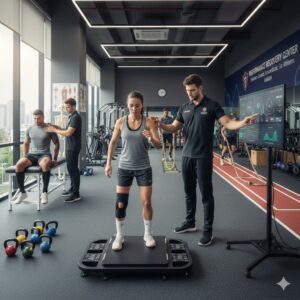
Choosing the right medical provider is not just about finding someone who can diagnose the problem; it is about finding a team that can guide you through the physical and psychological challenges of rehabilitation. Whether you are seeking a local physiotherapist or travelling to a specialised sports injury clinic in Bangkok, the criteria for selecting the best care remain consistent. You need a facility that prioritises evidence-based treatment, personalised care, and long-term athletic development rather than quick, temporary fixes.
Assess Qualifications and Specialisations
The medical field is vast, and general practitioners, while essential for overall health, often lack the nuanced understanding required for complex sports injuries. A clinic that handles everything from geriatric care to pediatric check-ups may not have the specific equipment or expertise to rehab a torn rotator cuff or a ruptured ligament effectively. Sports physiotherapy is a distinct discipline that requires an understanding of load management, biomechanics, and sport-specific demands.
When evaluating potential clinics, dig into the credentials of the staff. You want to ensure that the people treating you have specialised training in musculoskeletal conditions. For example, specific board certifications can make a significant difference in your prognosis. Taking the time to understand what an Orthopaedic Clinical Specialist (OCS) is ensures you can identify therapists who have undergone rigorous, specialised training to treat orthopaedic injuries. These specialists possess a deeper knowledge of tissue healing and kinetic chains, which is vital for a safe return to sport.
Understand the Recovery Timeline
One of the biggest red flags in sports medicine is a provider who promises a “quick fix” for a major injury. Physiological healing has a set biological clock that cannot be rushed, regardless of how advanced the technology is. A trustworthy clinic will be transparent about the timeline and manage your expectations realistically from day one. They should explain the phases of tissue repair and how their program aligns with your body’s natural healing capabilities.
For instance, ligament injuries are notorious for their lengthy rehabilitation periods. According to the Cleveland Clinic, ACL tears affect between 100,000 and 200,000 people in the U.S. each year, with a typical recovery window spanning six to nine months. If a clinic suggests you can return to high-impact sports in half that time without a rigorous, data-driven testing process, proceed with caution. The right care provider will prioritise biological healing and functional milestones over arbitrary dates on a calendar, ensuring you do not suffer a setback by returning too soon.
Look for Comprehensive Treatment Facilities
Modern sports rehabilitation has moved far beyond simple heat packs and ultrasound machines. The best clinics today are integrated performance centres that combine medical care with strength and conditioning. When you tour a facility or view their website, look for evidence of active rehabilitation tools rather than just passive treatment modalities. A clinic that relies solely on you lying on a table is unlikely to prepare you for the dynamic movements required in sports.
A top-tier sports injury clinic should offer:
- Functional Testing Equipment: Look for force plates or isokinetic machines that measure muscle imbalances and strength deficits objectively.
- Active Rehabilitation Areas: There should be a gym-like environment where you can retrain movement patterns, utilise weights, and perform plyometrics.
- Manual Therapy Expertise: Hands-on treatment is important for pain relief and mobility, but it should always be paired with active exercise.
- Return-to-Sport Protocols: Ask if they have a structured testing battery to clear you for play, ensuring you are not just pain-free but performance-ready.
The Importance of a Personalised Plan
Every athlete is unique, and so is every injury. A generic printout of exercises is rarely sufficient for full recovery. High-quality specialised care involves a tailored approach that considers your specific sport, your position, your age, and your competitive goals. A runner needs a different rehabilitation strategy than a rugby player, even if they have the same injury. The forces applied to the body, the range of motion required, and the endurance demands vary drastically.
During your initial consultation, pay attention to how much the provider listens. Are they asking about your training volume? Do they understand the specific demands of your sport? The right specialist will act as a coach, adjusting your program week by week based on how your body responds to the load. Investing time in researching and choosing the right specialised care is the first step toward a stronger comeback. By prioritising credentials, demanding realistic timelines, and seeking out well-equipped facilities, you ensure that your recovery is built on a solid foundation.
