

Landscaping Strategies for Barn-Style Outbuildings and Garden Studios
Owning a sprawling acreage or a large suburban block in Australia offers the perfect canvas for designing your dream outdoor lifestyle. Often, the centrepiece of these properties is a substantial outbuilding used for vehicles, workshops, or hobby studios. However, placing a massive steel structure in the middle of a paddock or garden can sometimes disrupt the natural flow of the landscape. The secret to a cohesive property design lies in thoughtful landscaping. Careful planning transforms purely functional storage into an aspirational focal point of your outdoor space, adding immense value and aesthetic appeal to your property.
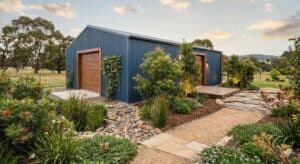
When considering structural additions, it is vital to balance practicality with visual harmony. Homeowners must think beyond the immediate footprint of the building and consider how the structure interacts with its surroundings. From planting strategic greenery to managing water flow, every landscaping decision plays a crucial role in creating an integrated environment. This holistic approach ensures that your new workspace or storage facility feels like a natural extension of your home rather than an industrial afterthought.
Softening the Lines of Steel Structures
Large agricultural and residential outbuildings are built for durability. Unfortunately, their straight lines and imposing facades can feel a bit stark against a soft garden backdrop. To bridge the gap between industrial design and natural beauty, layering your planting is absolutely essential. Selecting the right combination of foliage will instantly soften the hard edges of corrugated metal walls and large roller doors.
When planning your landscape around classic Australian barns, you should start by establishing a strong foundation of mid-sized shrubs. Native plants like grevilleas or callistemons work beautifully to break up the visual bulk while thriving in local conditions. From there, you can introduce lower ground covers or flowering perennials to create depth and texture at the base of the walls. By framing the entrance with tall, slender trees or adding climbing vines to a nearby trellis, you effectively ground the large structure. This layering technique seamlessly connects the building to the earth, creating a welcoming and picturesque setting.
Smart Solutions for Rainwater Runoff
One of the most significant environmental impacts of adding a large secondary building to your property is the sudden increase in roof surface area. During heavy seasonal downpours, a massive roof will shed a tremendous volume of water. If this runoff is not managed properly, it can quickly erode your soil, damage your lawn, or flood your beloved garden beds. Addressing this challenge proactively is a key component of modern landscape design.
Thoughtful landscaping can serve a highly functional purpose in water management. Landscaping and horticultural experts consistently demonstrate that rain gardens are highly effective at managing rainwater runoff from large outbuilding roofs. By capturing roof water and redirecting it into a dedicated planted depression, a rain garden slowly feeds the surrounding native vegetation. Implementing similar rain gardens, dry creek beds, or pebble trenches around your outbuilding not only prevents erosion but also creates a self-watering microclimate. This smart irrigation method supports your surrounding plants and reduces your reliance on municipal water.
Hardscaping and Ongoing Structural Care
While plants do the heavy lifting in softening a building’s appearance, hardscaping provides the necessary structure, accessibility, and year-round usability. Adding crushed gravel pathways, sandstone retaining walls, or a spacious timber deck visually connects the outbuilding to the main house. These solid elements also serve a protective function by keeping dirt, mud, and excessive moisture away from the structural base. A well-designed hardscape perimeter ensures that your outbuilding remains accessible in all weather conditions.
Maintaining the area immediately around the building is just as crucial as the initial design phase. Keeping vegetation neatly trimmed away from the exterior cladding prevents moisture buildup and deters pest infestations. Just as you would care for your primary residence, you can draw inspiration from modern trends in custom home design to seamlessly blend your new outbuilding with the main house. This proactive maintenance and design approach pays significant dividends. Regular checks will keep your garden studio or steel outbuilding looking pristine for many years to come. Clearing out gutters, assessing surface drainage, and ensuring the concrete slab remains clear of leafy debris will ultimately save you from costly structural repairs down the track.
Key Landscaping Strategies for Large Sheds
To successfully integrate a large outbuilding into your overall garden design, it helps to follow a structured approach. Keep these practical strategies in mind as you plan your outdoor layout:
- Utilise layered planting: Mix tall screening trees with mid-level shrubs and low ground covers to create a gradual, pleasing visual transition.
- Install permeable pathways: Use crushed rock, porous pavers, or natural stepping stones to allow water infiltration while providing clear, mud-free access to your doors.
- Create functional drainage: Build pebble drains or specific rain gardens to capture and redirect heavy roof runoff away from the sensitive foundation areas.
- Add exterior lighting: Highlight architectural features and surrounding trees with warm, low-voltage landscape lighting to enhance the nighttime appeal of your property.
- Maintain a clear buffer zone: Leave a small gap between heavy foliage and the building cladding to ensure proper airflow and minimise the risk of rust or rot.
Integrating a massive outbuilding into your property certainly does not have to compromise your garden’s carefully curated aesthetics. By combining strategic layered planting, smart water management systems, and highly practical hardscaping, you can elevate a simple storage space into a stunning architectural feature. With a little foresight and planning, your functional outdoor structures and the surrounding natural landscape will work together in perfect harmony.
