

Recognizing the Signs: When to Consider Roof Repair in Chicago
Table of Contents
- Water Stains on Ceilings or Walls
- Missing or Damaged Shingles
- Granules in Gutters
- Sagging Roof
- Daylight Visible Through Roof Boards
- Moss, Mold, or Algae Growth
- Damaged Flashing
- Increased Energy Bills
- Age of the Roof
- Peeling or Blistering Paint
- FAQ
The roof over your head is your home’s first line of defense against Chicago’s harsh weather, from heavy snowfall in winter to summer storms and fluctuating temperatures. Residents in the Windy City know well that regular roof maintenance is a necessity. Delaying needed repairs can escalate small issues into larger problems. If you’re not sure whether your roof needs attention, learning to identify the warning signs is crucial for the safety and longevity of your property. For homeowners seeking a Chicago roofing service, understanding when to act can help you avoid costly damage and keep your family safe.
Roofs in Chicago face unique challenges, including ice dams, wind-driven rain, and rapid freeze-thaw cycles. Ignoring early indicators often results in expensive repairs or full replacements down the road. The following guide provides clear, actionable insight into what to look for and how these signs connect to the distinct demands of Chicago homes and businesses.
Water Stains on Ceilings or Walls
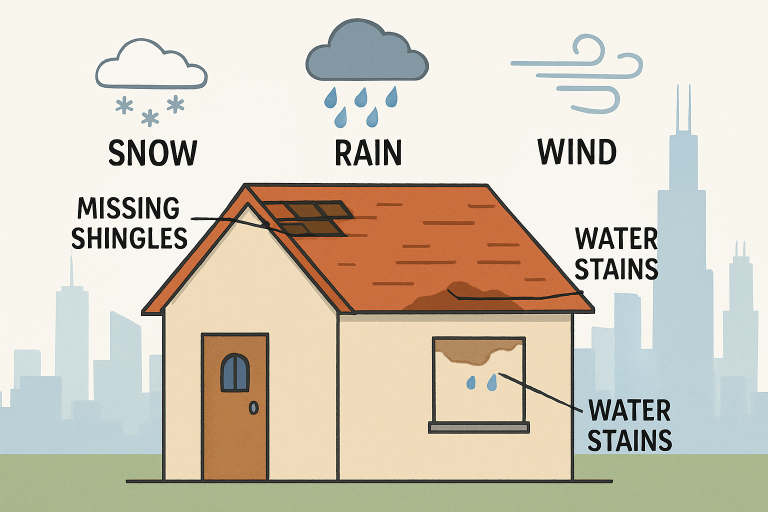
In Chicago, sudden temperature swings can foster ice damming on roofs, especially in homes with older insulation. If you’re seeing brown or yellowish stains on your interior ceilings or walls, it suggests that water is bypassing your roof’s defenses. Even small leaks can signal major issues, such as mold and rot. Addressing leaks immediately limits both the extent and cost of repairs. The presence of stains often indicates that water has already traveled far from its entry point, so a thorough inspection is necessary.
Missing or Damaged Shingles
After a strong Chicago windstorm, it’s not uncommon to find shingles blown off or curled at the edges. Damaged or missing shingles leave your roof’s underlayment exposed, increasing vulnerability to leaks the next time it rains or snows. Inspect your roof, especially after major storms, and look for torn, cracked, or buckled shingles. If you see visible changes to your roofline or loose shingles in your yard, a professional evaluation is warranted.
Granules in Gutters
Most asphalt shingles are covered with mineral granules to protect them against environmental wear and UV rays. In homes across Chicago, observing a buildup of these granules in your gutters or at the ends of downspouts means your shingles are aging and losing effectiveness. This is a normal sign of wear, but if you notice heavy granule loss after each rain, your roof may need prompt intervention before leaks develop.
Sagging Roof
A visibly sagging roof often points to underlying structural damage, such as weakened rafters or prolonged moisture exposure from leaks. In Chicago, heavy snow accumulation can add extra stress, accelerating sagging over time. An immediate expert inspection is crucial, as sagging can quickly lead to a roof collapse. Safety for your household or tenants should always be the top priority.
Daylight Visible Through Roof Boards
If you spot sunlight streaming through cracks or holes in your attic’s roof boards, your home is exposed to both weather and pests. In Chicago’s humid summers, these gaps can accelerate moisture damage and compromise insulation quality. This is a clear sign that repair is needed—gaps must be sealed to ensure year-round protection.
Moss, Mold, or Algae Growth
Chicago’s spring and fall seasons bring about excess moisture, often encouraging moss, algae, or mold growth on rooftops. Persistent damp areas can degrade roofing materials, especially asphalt and wood shakes. Trimming nearby trees and ensuring proper roof ventilation can help curb moss and mold, but extensive growth may require cleaning and possibly more significant repairs.
Damaged Flashing
Flashing seals roof joints and openings such as those around chimneys or vent pipes. When flashing is cracked, rusted, or missing, water can infiltrate your home. In Chicago, freeze-thaw cycles can exacerbate this type of wear. Flashing defects are frequently the root cause of leaks found near roof joints, skylights, or the chimney base.
Increased Energy Bills
A sudden rise in heating or cooling costs often stems from roof problems that compromise your home’s insulation. Poor ventilation, leaks, and deteriorating roofing materials can increase the load on your HVAC system. Properly maintaining your roof can improve energy efficiency and lower monthly bills. Learn more about how roof issues affect home energy use at Energy.gov. Addressing minor roof issues early can prevent larger problems and help maintain consistent year-round energy savings.
Age of the Roof
In Chicago, asphalt shingle roofs typically last 20 to 30 years, but they endure more stress from weather extremes. If your roof is nearing the end of its expected lifespan, it’s wise to schedule a professional inspection. Small repairs or a full replacement may be necessary, depending on the level of wear and tear.
Peeling or Blistering Paint
Paint that blisters or peels along the roofline usually signals inadequate attic ventilation. Chicago’s humid summers and icy winters can both cause moisture to accumulate in poorly vented attics, damaging paint and risking hidden mold or rot. Addressing underlying ventilation issues protects both structural and cosmetic elements of your home.
FAQ
How often should I inspect my roof in Chicago?
Ideally, roofs should be inspected twice yearly—once in spring and once in fall. Additional checks after severe weather events are advisable to catch damage early.
Is it safe to repair roof problems myself?
Minor maintenance, such as clearing gutters, can often be done by homeowners. However, most repairs, especially those involving damaged shingles, structural concerns, or flashing, should be completed by qualified professionals for safety and durability.
What is the biggest reason for roof issues in Chicago?
The weather is the main cause in the Chicagoland area. Extreme temperature variations, heavy snowfall, and high winds accelerate aging and damage in local roofing systems.
How can I extend the life of my roof?
Regular maintenance, prompt repairs, keeping gutters clear, and ensuring your attic is well-ventilated all contribute to longer roof life.
When should I consider a full roof replacement?
Full replacement is recommended if your roof is at the end of its lifespan, has widespread damage, or if repairs become frequent and costly relative to the roof’s remaining value.
