

Understanding Tree Health: Essential Tips for Homeowners
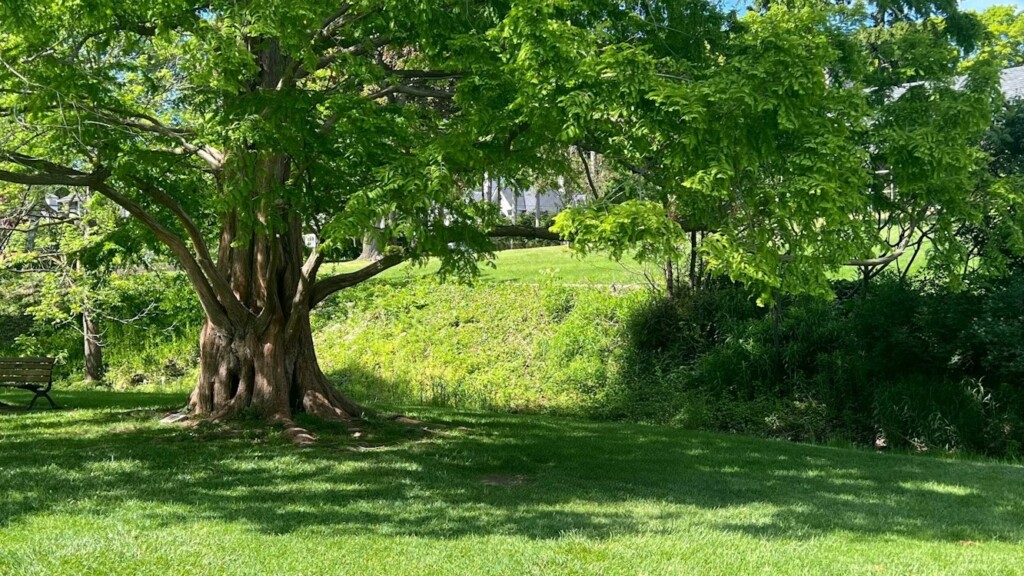
Want your trees to live for hundreds of years?
Healthy trees are more than just water and prune. Understanding what they need and being able to recognise problems early on are key to long-term health. With 581 tree pests and diseases in the UK currently, that’s easier said than done.
The good news?
Tree health 101 for homeowners isn’t as difficult as you might think. A few simple rules can go a long way towards protecting your investment and maintaining those stunning trees.
Key points in this article
- Why tree health matters more than ever
- Spotting the warning signs early
- The most common threats to your trees
- Essential tree maintenance tips
Tree health matters more than ever
Tree health is something homeowners can no longer afford to ignore.
New tree pests and diseases have been arriving in the UK at an unprecedented rate over the past two decades. In fact, there is research showing one new tree pest or disease establishes itself in the UK every year. That means your garden trees have more threats now than they did 10 years ago.
It is here where things get even worse…
Experts estimate that over half of tree growth could be lost by 2050 if new pests and diseases continue to arrive. This is not just an environmental concern. It also has consequences for house prices, garden aesthetics and the local ecosystem of a home.
Professional MyJobQuote tree surgeon services in the UK can help identify those threats before they start affecting the tree and doing serious damage. Getting that expert opinion early on can make a world of difference in the fight to protect a mature tree.
The consequences of poor tree health extend beyond the garden of an individual homeowner. Diseased or dying trees can spread to neighbouring properties and decrease overall tree canopy.
Spotting the warning signs early
One of the most common tree mistakes homeowners make?
Waiting until the tree looks really ill to do something about it. By then, it is often too late and it would cost a lot of money to put things back in order.
Trees give plenty of warnings before things go south for real. The key is learning how to spot those signs before it’s too late.
Look out for the following:
- Leaves yellowing or browning outside of autumn
- Holes or tunnels in the bark that do not match the natural pattern
- Sticky residue on leaves or branches
- Fungal growth around the base of the tree or on branches
- Dead or dying branches in the canopy
- Cracks or splits in the trunk
Each of these signals is a symptom of something going on inside the tree. Yellowing leaves could mean nutrient deficiency, lack of water or disease. Bark damage could indicate pest activity or structural problems.
Timing is important too. Leaves falling in July rather than October is a sign that something is not right. Trees drop their leaves early to preserve energy if they are under stress or diseased.
Common threats to your trees
Trees face a lot more threats than they used to.
In fact, many of the most damaging tree problems in the UK today were not even here 30 years ago. Learning about those threats is key for homeowners to be able to take a preventive approach.
Ash Dieback
Ash dieback is a fungal disease that has already spread to most of the UK. It is expected to kill between 70% and 90% of all native ash trees over the next two decades. Over 100 million ash trees.
Symptoms include wilting and blackening of leaves, dark lesions on the bark and loss of large areas of the canopy. Unfortunately, there is no cure once a tree is infected.
Oak processionary moth
The oak processionary moth accounted for almost 50% of all pest enquiries in 2020. Caterpillars from this moth eat oak tree leaves, leaving them weak and susceptible to further damage. Even worse, these caterpillars pose a serious health risk to humans and animals.
The hairs of the caterpillars contain toxins that cause skin rashes and breathing difficulties. They need to be reported immediately when spotted.
Root Diseases
Root diseases are one of the most insidious threats to trees, as they can take a long time before becoming visible. Phytophthora species infect tree roots, inhibiting their ability to absorb water and nutrients. The tree slowly declines over months or years.
Symptoms include stunted growth, sparse foliage and leaves falling prematurely. By the time these symptoms are visible, much of the root damage has already been done.
Essential tree maintenance tips
It takes more than a degree in horticulture to keep trees healthy.
Most tree health issues can be prevented through good maintenance and vigilance. The secret is being consistent and thorough, rather than doing complex work.
Water them wisely
Regular watering is crucial for young trees. Established trees usually manage just fine with rainfall. Extended dry spells, however, require some help.
Water should be applied deep rather than frequent. It is better to give a deep soak once a week than to apply a little water every day. This encourages deeper root growth and drought resistance.
Prune properly
Bad pruning does more harm than no pruning at all. More than 25% of the canopy should never be removed in a single pruning session. Cuts need to be made just outside of the branch collar, not flush with the trunk.
Timing depends on tree species. Most deciduous trees will be best pruned in the winter when dormant.
Mulch correctly
Applying organic mulch around the base helps retain moisture and suppress weeds. However, avoid piling it up against the trunk. That will trap moisture against the bark and increase the risk of rot and disease.
Mulch should be kept 10-15cm away from the trunk. Apply it in a doughnut shape rather than a volcano. Depth should be 5-10cm.
Monitor the health of the soil
Trees will struggle in compacted, poorly drained soils. Avoid walking or parking near trees. Weight from cars and even foot traffic can compact soil and damage shallow roots.
Add organic matter as needed. This can include garden compost or manure, which will improve soil structure and add nutrients.
Practice good biosecurity
Most homeowners completely forget about this. Pests and diseases can spread via shoes, tools and even plant material. Clean tools well after use, especially when moving between trees.
Do not transport soil or plant material from infected trees or areas. Dispose of diseased branches in household waste rather than composting.
When to call a professional
Tree issues are not all within the reach of the DIY solutions.
Homeowners should know when to call an expert. Trying to deal with complex tree work without proper training is dangerous and can make the problem worse.
Homeowners should contact a professional tree surgeon if the trees have any of the following:
- Large dead branches in the canopy
- Signs of structural instability
- Extensive pest or disease damage
- Situated close to buildings or power lines
- Need major pruning or removal
Professional tree surgeons have the knowledge and equipment to deal with difficult situations. They can also help with a diagnosis when the underlying cause of tree decline is not clear.
Wrapping up
Tree health 101 for homeowners is one of the most important things to understand as a UK homeowner.
Tree threats are only increasing year on year, so the more informed and watchful homeowners are, the better. Regular inspections will allow for early intervention at a stage when most problems are much easier to fix. Simple maintenance can keep trees healthy and resistant.
The biggest thing to remember?
Do not wait until a tree looks unwell before taking action. Prevention is always better and cheaper than cure. Spending a few minutes to inspect your trees each month can save thousands in removal costs down the line.
Get in the habit of inspecting trees. Look out for changes in leaf colour, condition of bark, signs of pests or diseases and overall vigour. If something looks off, investigate or get an expert opinion.
