

What Dashcam Footage Can Do for a Disputed Car Accident Claim
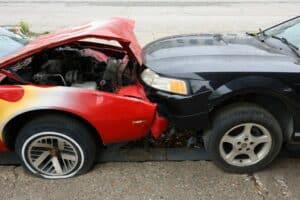
Atlanta’s busy roads and frequent stop-and-go traffic can make a car accident difficult to reconstruct when drivers remember the same few seconds differently. A sudden lane change, abrupt stop, or contested turn can leave each person convinced that the other caused the collision. Dashcam footage can provide a clearer record by showing vehicle positions, traffic movement, braking, signals, and roadway conditions as they existed at the time. For disputed claims, that visual evidence can help separate conflicting accounts and give insurers, attorneys, and other decision-makers a more reliable picture of what actually happened.
Why Video Matters
Insurance carriers usually compare driver statements, photographs, repair records, and police observations before assigning fault. In close cases, a car wreck attorney representing Atlanta clients may examine dashcam footage against each version of events. That review can reveal lane drift, delayed braking, missed signals, or an unsafe merge. Small visual details often shape whether a claim is paid fairly or pushed into a longer dispute.
Fault Becomes Clearer
Video often settles the basic sequence within moments. One recording may show a driver entering an intersection after the light changed. Another clip may capture a following vehicle closing distance too quickly for traffic conditions. That matters in Georgia, where fault drives payment responsibility. Once a clear series of movements appears on screen, room for blame shifting usually gets much smaller.
Timing Counts
Many crash disputes are really arguments about timing. One person may describe a sudden stop, while another claims there was no safe gap for a turn. Dashcam footage helps place each movement in order. Frame review can show brake lights, lane entry, cross traffic, and vehicle spacing. Liability decisions often rest on seconds, not broad descriptions given after the scene has ended.
Weather And Road Proof
Road conditions can change the meaning of a crash. A recording may capture rain, glare, pooling water, poor striping, blocked signs, or a signal that failed to cycle correctly. Those facts affect visibility, stopping distance, and safe speed. Adjusters sometimes question whether weather truly contributed to the event. Footage can answer that point directly, with conditions shown as they existed before impact.
Witness Gaps Shrink
Witnesses can help, but human observation has limits. Some people see only the final contact, while others miss a vehicle approaching from outside their line of sight. Dashcam footage fills those gaps with a neutral visual account. It does not rely on memory shaped by fear or confusion. That makes it useful when outside testimony conflicts or no independent witness remains available.
Comparative Fault Issues
Georgia uses modified comparative negligence, which means compensation can drop if an injured person shares blame. Recovery is still possible if that share stays below fifty percent. Dashcam footage matters here even without answering every question. A recording may show partial fault, yet still block an inflated accusation. Reducing a claimed percentage can preserve a meaningful portion of medical costs, lost wages, and repair value.
Injury Arguments Change
Dashcam footage does not diagnose an injury, though it can support the medical picture. A video may show crash force, body movement, airbag deployment, seatbelt tension, or cabin intrusion. Those details help explain why neck strain, head trauma, or spinal pain developed after impact. Insurance companies sometimes downplay harm when vehicle damage looks modest. Footage can counter that view by showing a sharper jolt than still photos suggest.
Preservation Is Essential
A useful recording can lose value quickly if it is not preserved correctly. Many dashcams overwrite old files within days, sometimes within hours of heavy driving. The original clip should be saved promptly, copied without edits, and backed up with the date and time intact. Keeping the full sequence also matters. Missing seconds before impact can create doubt where none should exist.
Limits Still Exist
No camera answers every question. A poor angle may miss a side strike, nighttime glare can hide a signal, and some systems stop recording during a violent crash. Audio may also be absent. Even so, partial footage still has value when paired with repair records, scene photographs, phone data, and treatment notes. A claim rarely depends on one piece alone, even when that piece is strong.
Stronger Negotiation Position
Claims supported by clear footage often move differently in settlement talks. Liability may stop being the main fight, which shifts attention to treatment, lost income, and future care needs. That change can shorten delays and narrow weak arguments. A claimant with reliable video usually enters negotiation from a steadier position, because the core story rests on visible events rather than competing recollections.
Conclusion
Dashcam footage can turn a disputed crash claim from a clash of stories into a review grounded in visible facts. It may clarify fault, capture weather, support injury arguments, and limit unfair blame under Georgia law. Video still works best when it is preserved quickly and reviewed alongside the full record. In a close case, a few recorded seconds can carry more weight than hours of later disagreement.
