

Why a Line of Credit Is a Smart Financial Move for Small Businesses
Key Takeaways
- A business line of credit provides flexibility to manage cash flow and respond to unexpected expenses or opportunities.
- Interest is charged only on funds used, not the entire credit limit, which makes it cost-effective compared to loans.
- Using a line of credit responsibly can help build your business’s credit and improve future financing options.
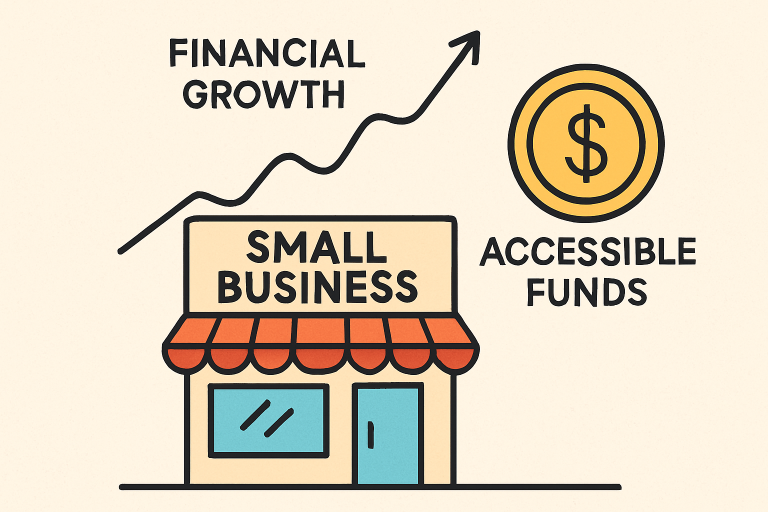
- Strategic use of a line of credit supports operational stability and fuels business growth.
Table of Contents
- Understanding Business Lines of Credit
- Key Benefits of a Business Line of Credit
- When to Consider a Line of Credit
- Comparing Financing Options
- Real-Life Applications
- Potential Risks and Considerations
- Conclusion
Understanding Business Lines of Credit
For small businesses aiming to navigate challenges and seize opportunities, a line of credit can be a game-changing financial strategy. Unlike traditional loans, a business line of credit grants ongoing access to funds you can dip into as needed, offering flexibility in both borrowing and repayment. This setup is handy for managing cash flow gaps and unplanned expenses, serving as a cushion that keeps day-to-day operations running smoothly.
If your business needs to bridge the gap between receivables or invest in short-term growth initiatives, exploring a line of credit business solution can provide the working capital you need without committing to a long-term lump-sum loan. Because you pay interest only on the funds withdrawn, not the full credit line, it’s a cost-effective way to weather fluctuations or prepare for the future.
This revolving nature means you can repeatedly draw funds up to your limit, pay down your balance, and borrow again without reapplying. Such adaptability is one of the core advantages for small enterprises whose cash flow patterns may be unpredictable.
Lines of credit empower business owners to take control, supporting not only financial health but also strategic growth—whether it’s purchasing inventory ahead of peak sales or maintaining payroll during slow months.
Key Benefits of a Business Line of Credit
- Flexibility: Draw funds and repay on your schedule. This is vital for businesses facing fluctuating revenue streams or seasonal shifts. A flexible line of credit, as explained by Investopedia, is a revolving loan arrangement that allows businesses to access funds up to a set limit as needed, offering this flexibility.
- Cost-Effective Financing: Since interest is only applied to the borrowed amount, you’re not burdened with high monthly payments when funds aren’t in use, making this option less expensive than traditional loans or many credit cards.
- Improved Cash Flow Management: Access to instant funds lets you cover routine operating expenses, unexpected repairs, and inventory purchases without stress.
- Build Business Credit: Consistent, responsible use of your credit line demonstrates creditworthiness and can enhance your business credit rating, opening the door to better financing in the future.
When to Consider a Line of Credit
Small businesses are likely to benefit most from a line of credit in specific scenarios where traditional financing falls short. For example, if your company faces cash flow interruptions between invoice cycles, needs to bulk up inventory ahead of seasonal demand, or has to address sudden equipment breakdowns, a readily available line of credit can prove invaluable. It allows businesses to support payroll, fund marketing campaigns, or invest in technology upgrades without depleting reserves.
Comparing Financing Options
Business owners often consider credit cards or loans for immediate funding, but these options have pitfalls. Credit cards tend to have significantly higher interest rates and fees, which can become a financial burden if balances aren’t paid off promptly. Traditional loans offer lump sums but lack the recurring access provided by lines of credit. Lines of credit usually feature lower rates and more favorable repayment schedules. Additionally, borrowing is not tied to a specific purchase—businesses decide how and when to use the funds.
Potential Risks and Considerations
While a business line of credit can be highly beneficial, it’s essential to approach borrowing thoughtfully. Overextension or using the credit line for non-essential expenditures can lead to repayment challenges or increased financial stress. Before drawing funds, reflect on your ability to repay and ensure that borrowing aligns with business goals rather than plugging persistent financial leaks.
Lenders may adjust credit limits or alter terms if your business financials change, so having a clear repayment plan and regularly reviewing credit needs is essential. Transparency and the habit of using your line of credit for genuine business needs, rather than routine operating deficits, are critical for long-term financial health. For expanded tips on responsible credit management, check resources at the U.S. Small Business Administration. Additional strategies, such as setting internal borrowing limits and closely tracking fund usage, can further safeguard your financial stability. Practicing disciplined repayment habits also strengthens your credibility with lenders, opening doors to more favorable financing options in the future.
Conclusion
For many small enterprises, a business line of credit acts as a powerful tool to overcome cash flow challenges, smooth operations, and fuel growth. Its flexibility, cost-effectiveness, and credit-building potential make it a preferred choice over traditional loans or high-interest credit cards. By approaching this form of financing with a clear strategy and disciplined repayment, small business owners can access the capital needed to thrive in a rapidly changing market.
