

Why the First Offer from the Other Driver’s Insurer Isn’t Enough
Key Takeaways
- Insurance companies often make quick initial offers designed to minimize payouts, not cover the full scope of your damages.
- Accurately assessing all current and future costs—including medical treatment, lost income, pain, and reduced quality of life—is essential.
- Legal representation significantly improves the likelihood of a fair settlement and helps counter common tactics employed by insurers.
- Adjusters may use pressure, recorded statements, or blame-shifting to reduce compensation; knowing these strategies empowers you to negotiate effectively.
- Never accept an offer without thorough documentation, professional evaluation, and consideration of long-term impacts on recovery and finances.
Understanding the Insurer’s Strategy
Experiencing a car accident can be overwhelming, but navigating the aftermath—especially when dealing with insurers—adds another layer of complexity. Insurance companies often offer a quick, initial settlement that sounds appealing; however, these offers are almost always significantly less than the claim is truly worth. Their goal is clear: minimize payouts and resolve claims swiftly, often before you’ve had a full chance to evaluate the scope of your damages. In these situations, seeking counsel from an experienced Des Moines car crash lawyer is one of the best ways to ensure that your rights are protected and that you don’t accept less than you deserve.
Rushed offers can seem tempting, especially if medical bills or lost wages are already causing financial pressure. However, insurers are trained to secure agreements that benefit their bottom line, frequently leveraging your need for immediate resolution against you. Accepting these initial settlements can leave you bearing the long-term financial burden of an accident that was not your fault.
Assessing the Full Extent of Your Damages
Understanding all the ways an accident has affected your life is central to a fair settlement. Beyond visible injuries, it’s essential to account for underlying soft tissue damage, potential surgeries, ongoing physical therapy, and emotional trauma. In many cases, victims also underestimate future medical treatments or the impact of time lost at work. A thorough assessment helps you calculate present-day costs as well as expenses you may face months or even years after the accident.
Lost income, diminished earning potential, pain and suffering, and reduced quality of life all contribute to your total damages. Insurers often do not address these broader concerns in their first offers, instead focusing solely on immediate bills. Evaluating your case with the help of medical experts and legal professionals ensures no part of your claim is overlooked. Major consumer resources, such as the Consumer Reports Car Insurance Guide, recommend carefully documenting all current and projected expenses before accepting any offer.
The Importance of Legal Representation
Engaging a personal injury attorney is a crucial step toward equalizing the power imbalance between you and the insurance company. Legal experts in car accident cases have the negotiation experience required to ensure insurers take your claim seriously. Studies consistently show that represented clients recover more significant damages than those negotiating alone.
An attorney will review your medical records, calculate all present and anticipated losses, and act as your advocate in communications with the insurer. Their involvement not only increases the likelihood of a better settlement but also protects you from common traps and high-pressure tactics used by adjusters.
Common Tactics Used by Insurance Adjusters
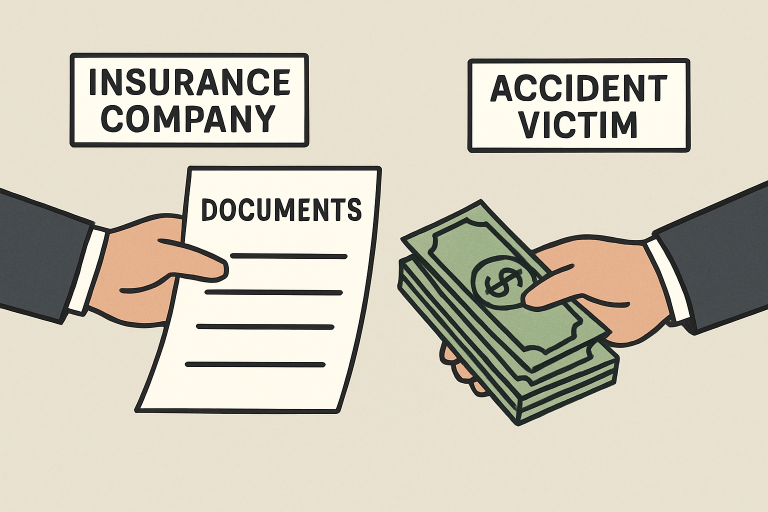
Claims adjusters are well-versed in strategies designed to reduce payouts or encourage quick settlement. Familiar tactics include:
- Imposing tight deadlines on offers to hurry your decision-making.
- Downplaying injury severity or suggesting that medical treatment is excessive.
- Requesting recorded statements that may be used to challenge your credibility later.
- Blaming prior injuries or unrelated conditions for your symptoms.
Understanding these tactics helps victims refuse inadequate offers and gives them the confidence to insist on fair treatment.
Steps to Take Before Accepting an Offer
- Gather complete documentation of medical expenses, vehicle repair bills, and any other accident-related costs.
- Obtain written opinions from your healthcare providers regarding ongoing and future medical needs.
- Consult with a personal injury attorney for a professional evaluation of the offer’s adequacy.
- Consider possible long-term impacts such as delayed symptoms or the risk of later complications.
- Engage in negotiations, backed by strong evidence and professional advocacy, to reach a settlement that fully addresses your losses.
Real-Life Implications of Accepting a Low Offer
Settling too soon or accepting an unsatisfactory offer often leads to significant out-of-pocket expenses over time. Unanticipated treatments, prescription medications, adaptive equipment, rehabilitation, or chronic health issues can quickly erode any “settlement” you receive. Worse, the agreement you sign usually prevents you from pursuing any further compensation connected to the accident, regardless of what new expenses arise.
Financial strain and insufficient support for recovery can jeopardize your long-term well-being and stability. That’s why carefully evaluating the offer’s coverage in relation to your actual and future needs is vital before making any decision.
Final Thoughts
The first offer from an at-fault driver’s insurance company is rarely sufficient to cover the true extent of your damages. By taking the time to document your losses, consulting experienced professionals, and negotiating assertively, you significantly improve your chances of achieving a fair result. Resist the pressure to settle quickly, prioritize your long-term health and financial recovery, and reach out for legal assistance when necessary to secure the compensation you genuinely deserve.
