

How to Stop a Small Plumbing Leak From Becoming an Expensive Disaster
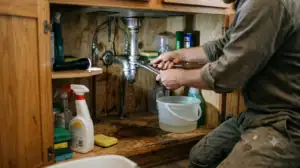
It starts with a few drops of water beneath the kitchen sink. You wipe them away, tighten a fitting and assume the problem is solved. A week later, the cupboard smells musty, the timber has started swelling, and there’s a suspicious stain on the wall. That tiny leak is suddenly looking like a much bigger problem.
Small plumbing leaks are easy to ignore because they rarely seem urgent. However, water can gradually damage cabinetry, flooring, plasterboard and other building materials. Left untreated, even a slow drip can create conditions for mould growth and expensive repairs.
The good news is that acting early can prevent many of these problems. Knowing when to attempt a simple fix and when to call a professional is important. If water is spreading quickly or you cannot isolate the supply, contacting a licensed professional, such as an emergency plumber Central Coast, can help prevent further damage.
Learn to Recognise the Early Warning Signs
Not every plumbing leak produces an obvious puddle.
Some develop behind walls, beneath floors or inside cupboards where they’re difficult to notice.
Pay attention to unusual changes around your home, particularly in kitchens, bathrooms and laundry areas.
Common warning signs include:
- Damp patches or unexplained water stains.
- Peeling paint or bubbling wallpaper.
- Musty smells inside cupboards.
- Warped flooring or swollen timber.
- Unusually high water bills.
- Dripping sounds when taps aren’t running.
One symptom doesn’t necessarily confirm a plumbing leak, but recurring signs deserve investigation.
Know Where Your Main Water Shut-Off Valve Is
One of the most useful things any homeowner can do is locate the property’s main water shut-off valve before an emergency occurs.
If a pipe bursts or a fitting fails, turning off the water supply can dramatically reduce the amount of damage.
The valve may be located near the water meter, in a utility area or where the main supply enters the building.
Make sure household members know where it is and how to operate it.
If a leak occurs near electrical outlets or appliances, keep clear of affected areas and arrange appropriate professional assistance.
Never enter standing water where electrical equipment may be energised.
Don’t Ignore a Dripping Tap
A dripping tap might seem like a minor annoyance, but it can waste considerable water over time.
The problem may involve a worn washer, damaged seal or faulty internal component.
Some simple tap repairs are straightforward, although plumbing regulations and permitted DIY work vary by location.
If you’re unfamiliar with the fixture or cannot isolate the water supply safely, arrange professional repairs.
Avoid repeatedly tightening handles with excessive force, as this can damage components and make the problem worse.
Check Under Sinks and Around Appliances
Leaks commonly develop around pipe connections, flexible hoses and household appliances.
Washing machines, dishwashers and refrigerators with water dispensers may have supply lines that deteriorate over time.
Periodically inspect accessible connections for moisture, corrosion or visible damage.
Look beneath sinks for signs of dampness and check whether hoses appear cracked, kinked or worn.
If you discover a damaged supply hose, avoid continuing to use the appliance until the problem has been addressed.
Replacing a deteriorating component early is usually far easier than repairing water-damaged flooring later.
Dry Affected Areas as Quickly as Possible
Stopping the leak is only the first step.
Water left inside walls, beneath flooring or within cabinetry can continue causing damage after the plumbing problem has been repaired.
Remove standing water where it’s safe to do so and improve ventilation in affected areas.
For small surface spills, towels and fans may help with drying.
However, significant water intrusion may require professional drying equipment to address moisture trapped inside building materials.
If sewage or potentially contaminated water is involved, avoid direct contact and seek appropriate professional assistance.
Avoid Temporary Repairs Becoming Permanent
When a pipe begins leaking, temporary measures may help limit water loss until professional repairs are available.
However, tape, sealants and improvised fittings aren’t suitable long-term solutions for every type of plumbing problem.
A temporary patch may fail unexpectedly, particularly when pipes are exposed to water pressure or temperature changes.
If a leak requires a makeshift repair, arrange a permanent solution promptly.
Don’t assume the problem has disappeared simply because the dripping has stopped.
Keep Up With Basic Plumbing Maintenance
Regular checks can help identify small problems before they become expensive.
Inspect visible pipes and hoses occasionally, monitor water bills and investigate unexplained dampness.
It’s also worth checking your water pressure if fixtures frequently develop leaks or connections fail.
Excessive pressure can place unnecessary strain on plumbing components.
A licensed plumber can assess the system and recommend appropriate adjustments where necessary.
Small Leaks Deserve Prompt Attention
A minor plumbing leak doesn’t always require an emergency response, but it shouldn’t be ignored.
The sooner you identify the source, isolate the water when necessary and arrange suitable repairs, the less opportunity water has to damage your home.
Simple habits such as checking accessible connections, recognising moisture problems and knowing where to shut off the supply can make a significant difference.
Taking a small leak seriously today may save you from replacing damaged cabinets, flooring or walls tomorrow.
