

The Warning Signs Your Brick Home Needs More Than a Fresh Coat of Paint
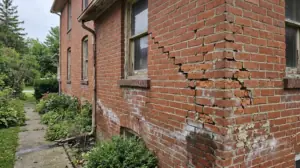
Your brick home is starting to show its age. The exterior looks faded, a few cracks have appeared, and some areas seem permanently stained. A fresh coat of paint might seem like the easiest way to improve its appearance, but what if those imperfections are signs of a bigger problem?
Brickwork is known for its durability, yet years of exposure to rain, temperature changes and general wear can gradually affect its condition. While some issues are purely cosmetic, others may indicate moisture problems, deteriorating mortar or structural movement.
Understanding the difference is important before covering everything with paint. In some cases, repairs such as Brick Repointing may be necessary to replace deteriorated mortar and help protect the masonry from further damage. Identifying these problems early can prevent relatively minor issues from becoming expensive repairs.
Crumbling Mortar Between the Bricks
One of the clearest signs that brickwork needs attention is mortar that has started cracking, crumbling or falling out.
Mortar fills the joints between bricks, helping hold the masonry together and resist weather penetration.
Over time, exposure to moisture and changing temperatures can cause mortar to deteriorate.
You might notice small gaps between bricks or loose particles collecting along the base of a wall.
Painting over these areas won’t restore the damaged joints.
Instead, the deteriorated mortar may need to be carefully removed and replaced with a suitable material.
For older buildings, choosing compatible mortar is particularly important because overly hard replacement materials can contribute to brick damage.
Cracks That Keep Getting Bigger
Small cracks in brickwork aren’t always a sign of serious structural problems.
Some occur because of normal building movement or changes in temperature.
However, cracks that continue widening, appear in unusual patterns or extend through multiple bricks deserve closer attention.
Look for warning signs such as:
- Stair-step cracks following mortar joints.
- Cracks extending from doors or windows.
- Sections of brickwork beginning to bulge.
- Doors or windows becoming difficult to open.
- New cracks appearing after heavy rainfall.
These symptoms don’t automatically mean your home is structurally unsafe.
However, significant or progressive movement should be assessed by an appropriately qualified professional before cosmetic repairs begin.
Persistent Damp Patches and Water Stains
Water is one of the biggest threats to ageing masonry.
If moisture repeatedly enters a brick wall, it can contribute to staining, deteriorating mortar and damage to surrounding materials.
You might notice dark patches that remain long after rain has stopped or dampness appearing on interior walls.
Potential causes include damaged gutters, leaking pipes, poor drainage or defective flashing.
Before repainting, identify where the moisture is coming from.
Covering damp brickwork with an unsuitable coating can trap moisture and potentially make deterioration worse.
Addressing the underlying water problem is essential for any lasting repair.
White Powdery Marks on the Surface
Have you noticed white, powdery deposits appearing on your bricks?
This is often efflorescence, which occurs when moisture carries soluble salts through masonry and deposits them on the surface as the water evaporates.
Efflorescence isn’t necessarily evidence of serious structural damage, but recurring deposits can indicate ongoing moisture movement.
Simply painting over the marks won’t resolve the underlying cause.
Investigate possible water sources and allow affected masonry to dry appropriately.
Avoid aggressive cleaning methods that could damage the brick surface.
Flaking or Crumbling Brick Faces
Sometimes, the bricks themselves begin deteriorating rather than just the mortar.
You may notice surface layers breaking away, rough patches or small fragments collecting beneath the wall.
This deterioration, sometimes called spalling, can result from moisture exposure, freeze-thaw cycles or incompatible previous repairs.
Applying paint won’t restore damaged brick faces.
Depending on the extent of deterioration, individual bricks may need replacement or specialist repair.
A masonry professional can assess whether the damage is localised or part of a broader problem.
Old Paint Is Peeling or Bubbling
Peeling paint doesn’t always mean the original coating was poor quality.
Moisture trapped beneath the finish can cause bubbling, flaking and loss of adhesion.
Some coatings also restrict the natural movement of moisture through masonry.
Before applying another layer, investigate why the existing paint failed.
Removing deteriorated coatings and selecting a suitable breathable finish may be necessary, depending on the wall’s construction and condition.
Repair the Problem Before Improving the Appearance
A fresh coat of paint can improve the appearance of a brick home, but it shouldn’t be used to hide developing masonry problems.
Crumbling mortar, persistent dampness, widening cracks and deteriorating bricks all deserve attention before decorating begins.
Start by inspecting visible damage and identifying possible moisture sources.
Where necessary, seek professional advice about appropriate repairs and compatible materials.
By addressing the underlying problems first, you can protect your home’s condition and ensure any cosmetic improvements have a much better chance of lasting.
