

Robo Advisors Simplified: A Beginner’s Guide to Automated Investing
Key Takeaways
- Robo-advisors are digital platforms that offer automated financial planning and investment services with minimal human involvement.
- They offer low management fees, easy portfolio management, and open investing to individuals who may not meet the high minimums of traditional advisors.
- Evaluating robo-advisor features and costs will help you find the best investment fit for your needs and goals.
Automated investing is reshaping the way individuals approach their financial planning, removing many of the traditional barriers associated with investment management. With the rise of digital tools like robo-advisors, beginner investors now have the opportunity to build and manage portfolios with ease and confidence. For those starting, understanding how these tools work and how to incorporate them into your investment strategy is crucial. If you’re looking for an in-depth beginner’s guide to automated investing, it’s a great place to start learning more about these platforms.
Robo-advisors have emerged as one of the most practical solutions for newcomers to investing, offering a blend of technology and smart financial principles. They cater to a wide range of investors by streamlining the account setup process, personalizing investment strategies, and automating portfolio management. By leveraging advanced algorithms, robo-advisors democratize investing, making it accessible, affordable, and straightforward for users who may not have substantial assets or prior experience.
As financial technology continues to evolve, robo-advisors are steadily enhancing the digital investing experience, frequently updating their services to deliver not only portfolio management but also features such as tax optimization and retirement planning. Understanding their benefits and limitations can empower individuals to make clear, informed decisions that align with their personal goals.
What Are Robo-Advisors?
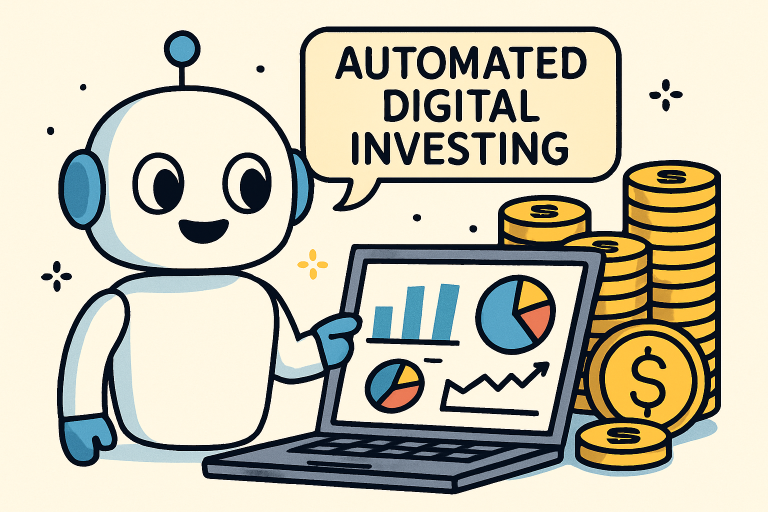
Robo-advisors are digital platforms that utilize algorithms and technology to automate the investment and financial planning processes. They handle everything from asset allocation to portfolio rebalancing, all with minimal to no human oversight. By collecting details about your financial status, goals, and risk tolerance through an online questionnaire, robo-advisors design a strategy optimized to meet your investment objectives. This level of automation enables even novice investors to start growing their wealth without requiring extensive financial knowledge or significant involvement.
How Do Robo-Advisors Work?
The user experience with a robo-advisor typically starts with a simple onboarding process. After creating an account, you’re asked to complete a digital survey about your financial goals—such as retirement, home buying, or education funding—alongside your appetite for risk and preferred investment timeframe. The platform then processes your profile using sophisticated algorithms, recommending a diversified portfolio—often built using low-cost exchange-traded funds (ETFs) and, in some cases, mutual funds.
Robo-advisors continuously monitor your investments, automatically rebalancing them to maintain the agreed allocation as markets fluctuate. Many also offer automated tax-loss harvesting, which identifies and sells investments at a loss to help offset capital gains taxes. This end-to-end approach ensures that your investments are constantly optimized without requiring ongoing manual oversight.
Benefits of Using Robo-Advisors
- Cost Efficiency: One of the biggest appeals is affordability. Robo-advisors typically charge management fees between 0.25% and 0.50% of your account balance annually. This is significantly less than the 1% or more charged by many traditional advisors, translating to more of your returns staying invested and compounding over time.
- Accessibility: The low or even nonexistent minimum investment required means that more people can get started with investing. Younger investors, or those with smaller savings, can now build a portfolio that would have otherwise been out of reach.
- Automation: Robo-advisors eliminate the headache of manual portfolio management. Tasks such as rebalancing, reinvesting dividends, and optimizing for tax efficiency occur automatically, saving investors both time and the potential pitfalls of emotional decision-making.
Considerations Before Choosing a Robo-Advisor
- Investment Options: Every robo-advisor offers a unique menu of portfolios and asset types. Review what each platform offers—such as sustainable investing options or retirement-specific portfolios—to ensure it aligns with your financial priorities.
- Fees: Examine both management fees and other potential charges, including advisory, withdrawal, or transaction fees. Even small fee differences can have a significant long-term impact on your returns, so it’s essential to compare them carefully.
- Customer Support: Some investors welcome a largely hands-off approach, while others may appreciate periodic guidance. Investigate the availability and accessibility of human support, especially if you anticipate needing advice or assistance along the way.
Getting Started with Robo-Advisors
- Research Platforms: Start by reading reviews and comparing features of different robo-advisors. Look for platforms with a good reputation, positive customer feedback, and a suitable mix of investment options tailored to your needs.
- Assess Your Financial Goals: Be clear about what you want to achieve—whether it’s short-term gains, long-term retirement savings, or planning for a major purchase. Establishing your risk tolerance and investment timeline will ensure you select the right strategy from the outset.
- Open an Account: Signing up is typically a straightforward process. You can expect to provide some personal details, answer questions about your goals, and verify your identity.
- Fund Your Account: To get started, fund your new account by transferring money from your bank or another investment account. Most robo-advisors support one-time or automatic regular deposits to make saving even easier.
- Monitor Performance: While robo-advisors handle the heavy lifting, it’s still wise to periodically review your portfolio and overall financial plan. Make adjustments as your goals or risk tolerance evolve.
Future of Robo-Advisors
The next wave of robo-advisor technology will bring even greater levels of personalization and service expansion. The integration of artificial intelligence and machine learning promises smarter, more tailored investment recommendations, while new services, such as advanced tax optimization, estate planning, and socially responsible investing, are rapidly becoming the norm. As innovators continue to enhance these digital tools, expect robo-advisors to play an increasingly larger role not only in investment management but also in comprehensive financial wellness strategies.
Learning the fundamentals of digital investing through robo-advisors is a smart first step for any investor. As you grow your confidence and assets, these platforms provide sophisticated tools that were once reserved only for those with significant wealth. By leveraging automated guidance and continually evolving technology, you can make informed decisions, bringing your financial objectives within reach.
