

The Hidden Nature of Electrical Risks on Construction Sites
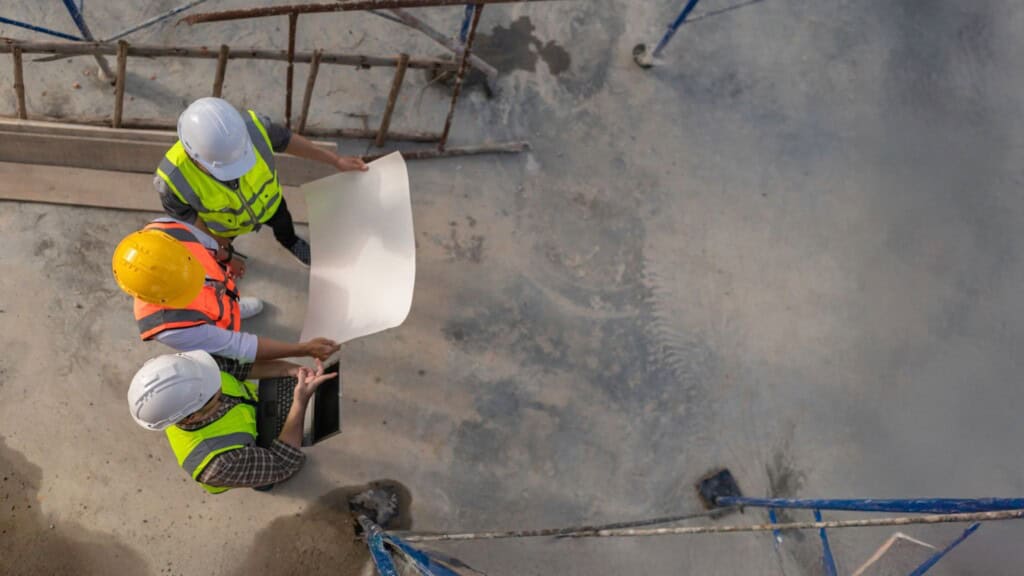
Electrical risks on construction sites are not always obvious. Unlike visible hazards such as unstable surfaces or moving equipment, electrical exposure often exists quietly within the environment. It does not always announce itself, and in many cases, it becomes noticeable only after something has already gone wrong.
In the early stages of understanding such incidents, the focus is often placed on the moment itself. However, as people begin to look deeper into how these situations develop, they often come across broader insights, including those related to electrocution accident claims for construction workers, especially when trying to understand how hidden risks, unsafe conditions, or even construction defects may have played a role in what occurred.
The Invisible Nature of Electrical Exposure
One of the defining aspects of electrical risk is that it is often unseen. Wiring may run behind surfaces, temporary connections may be in place, and live currents may exist in areas that appear ordinary.
This creates situations where:
- Risk is present without clear visual indicators
- Workers rely on assumptions about safety conditions
- Exposure can occur without warning
Because of this invisibility, electrical hazards are often underestimated until they become part of an incident.
Temporary Setups and Changing Conditions
Construction sites frequently rely on temporary electrical systems. These systems are designed to support ongoing work but may not have the permanence or stability of fixed installations.
Common examples include:
- Temporary wiring across different sections of a site
- Power sources are being relocated as work progresses
- Equipment connected through extension systems or temporary panels
As the site evolves, these setups may change. Each adjustment introduces a new set of conditions, and even small inconsistencies can influence how safe the environment remains.
The Interaction Between Equipment and Environment
Electrical risks are often shaped by the interaction between tools, machinery, and the surrounding environment. Equipment does not operate in isolation. It is influenced by the conditions in which it is used.
Factors that may contribute include:
- Moisture or weather affecting electrical conductivity
- Equipment is being used in confined or elevated spaces
- Surfaces that alter stability or positioning
These interactions can increase risk in ways that are not immediately apparent.
Coordination Across Multiple Work Areas
Construction work rarely happens in isolation. Multiple teams may be working in close proximity, each with different responsibilities. Electrical systems may run through areas used by various groups at different times.
This can create:
- Overlapping work zones with shared electrical exposure
- Situations where one team’s setup affects another’s workspace
- Gaps in communication about active electrical sources
When coordination is not fully aligned, electrical risks can extend beyond the area where they originated.
Timing and Sequence of Work
Electrical exposure can also be influenced by timing. The sequence in which tasks are performed may affect how systems are set up and used.
For example:
- Electrical systems may be adjusted during different phases of work
- Equipment may be introduced or removed at specific times
- Temporary setups may remain in place longer than expected
These timing-related factors can create conditions where risks develop gradually rather than all at once.
Small Details That Build Into Larger Risks
Electrical incidents are often not the result of a single issue. Instead, they are shaped by a combination of small details that come together over time.
These details may include:
- Slight changes in wiring placement
- Minor inconsistencies in setup
- Temporary adjustments made during ongoing work
In some situations, broader site issues such as poor planning, unsafe modifications, or underlying construction defects may also contribute to conditions where electrical exposure becomes more likely. Individually, these factors may seem manageable, but together they can create a much greater risk.
As this broader picture begins to form, individuals often look for ways to better understand how these elements are evaluated, sometimes coming across perspectives connected to electrocution accident claims for construction workers, particularly when trying to see how different factors are considered together.
Why Electrical Risks Are Often Underestimated
Because electrical hazards are not always visible, they can be underestimated compared to more obvious risks. The absence of clear warning signs can create a false sense of security.
This can make it more difficult to:
- Recognize when conditions have changed
- Identify all contributing factors
- Understand how different elements interact
Recognizing that electrical risk often exists beneath the surface is an important part of understanding how these incidents develop.
Conclusion: Seeing What Is Not Immediately Visible
Electrical risks on construction sites are not always defined by what can be seen. They are shaped by systems, conditions, and interactions that often remain unnoticed until they begin to have an effect.
Looking beyond the surface reveals how these risks develop over time. It highlights the importance of understanding not just the moment of an incident, but the environment that made it possible. In the end, the hidden nature of electrical exposure serves as a reminder that not all risks are visible, and that a deeper look is often needed to fully understand how these situations unfold.
