

The Overlooked Areas That Undermine Workplace Hygiene
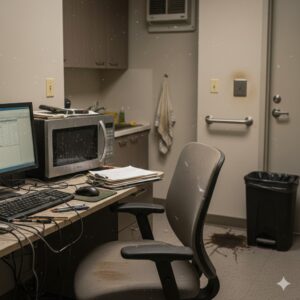
Walk into most workplaces and everything looks fine at a glance. Floors are clean, bins are emptied, bathrooms are stocked, and desks appear tidy. From the surface, hygiene seems covered. Yet many hygiene issues don’t come from what’s obvious — they come from what’s routinely missed.
Workplace hygiene tends to fail in the margins. It’s undermined by small, high-touch areas that fall outside standard cleaning checklists, or by assumptions that “someone else” is handling them. This is why even offices that invest in professional hygiene services can still struggle with illness outbreaks, odours, or general discomfort.
The issue isn’t neglect. It’s blind spots. And those blind spots quietly affect health, productivity, and how people feel in the space.
High-Touch Surfaces Everyone Forgets
The most overlooked hygiene risks are often the things people touch constantly but rarely notice.
Common examples include:
- Light switches and door frames
- Elevator buttons and handrails
- Printer controls and shared screens
- Fridge handles and cupboard doors
These surfaces accumulate bacteria quickly because they’re touched by many people throughout the day. When they’re missed during routine cleaning, they become efficient transmission points, even in otherwise clean environments.
Shared Equipment Is a Hygiene Multiplier
Shared tools and equipment are often cleaned “occasionally” rather than systematically. Keyboards, headsets, tools, and touchscreens are assumed to be personal responsibility, which means they’re frequently overlooked.
This creates problems because:
- People rarely clean items they don’t own
- Equipment moves between users
- Germs spread faster than cleaning schedules
Even simple items like pens, clipboards, or tablets can undermine hygiene when they’re passed around without proper attention.
Kitchens Look Clean but Hide the Worst Issues
Office kitchens are notorious for hygiene blind spots. Benches may be wiped daily, but deeper issues often go unnoticed.
Overlooked areas include:
- Fridge seals and shelves
- Microwave buttons and handles
- Sink drains and taps
- Tea towels and sponges
Because kitchens are associated with food, people assume they’re cleaned thoroughly. In reality, they’re often cleaned quickly — and there’s a big difference.
Soft Furnishings Trap Contaminants
Carpets, fabric chairs, and soft partitions don’t show dirt the way hard surfaces do. This makes them easy to forget, even though they trap dust, allergens, and bacteria.
Soft furnishings:
- Absorb spills and moisture
- Hold odours over time
- Accumulate particles that affect air quality
When these items aren’t cleaned on a proper schedule, the workplace can feel stale or uncomfortable even if everything looks visually clean.
Bathrooms Are Cleaned — But Not Completely
Bathrooms receive regular attention, but hygiene issues often persist because cleaning focuses on fixtures rather than touch points.
Frequently missed spots include:
- Flush buttons
- Cubicle locks
- Soap dispensers
- Paper towel levers
These are the exact areas people touch immediately after using the toilet. Missing them undermines the purpose of cleaning everything else.
Air Quality Is a Hidden Hygiene Factor
Hygiene isn’t only about surfaces. Air quality plays a major role in how healthy a workplace feels.
Poor air hygiene can result from:
- Dust buildup in vents
- Infrequent filter changes
- Poor airflow in enclosed spaces
When air isn’t properly managed, allergens and airborne particles linger. This contributes to headaches, fatigue, and increased sick days, even when surfaces are well maintained.
Waste Areas Are Often an Afterthought
Bins are usually emptied, but the areas around them don’t always get the same attention.
Problems often occur around:
- Bin lids and foot pedals
- Recycling stations
- Waste rooms or storage areas
These zones attract bacteria and odours, particularly if spills go unnoticed. Over time, they affect the overall cleanliness of the space.
Cleaning Schedules Don’t Always Match Usage
One of the biggest hygiene gaps comes from static cleaning schedules in dynamic environments.
For example:
- A meeting room used occasionally may suddenly host daily sessions
- A seasonal workload may increase foot traffic
- Hot-desking may multiply shared touch points
When cleaning frequency doesn’t adjust to how spaces are actually used, hygiene standards quietly slip.
Visual Cleanliness Can Be Misleading
People equate “looking clean” with being hygienic. This assumption is one of the most damaging.
Visual cleaning:
- Removes obvious mess
- Improves appearance
- Doesn’t always address bacteria or buildup
True hygiene requires attention to risk areas, not just visible ones. When cleaning is driven by appearance alone, problems persist beneath the surface.
Responsibility Gaps Create Hygiene Gaps
Hygiene often falls between roles. Cleaners handle some tasks, staff handle others, and no one owns the in-between areas.
This leads to:
- Missed responsibilities
- Inconsistent standards
- Assumptions instead of systems
Clear accountability is essential. When everyone knows what’s covered and what isn’t, blind spots shrink.
Why These Details Matter More Than Ever
Workplaces are more sensitive to hygiene expectations than they used to be. People notice when environments feel unclean, even if they can’t pinpoint why.
Overlooked hygiene issues can lead to:
- Increased sick leave
- Lower morale
- Reduced confidence in the workplace
These outcomes don’t require major failures — just small oversights repeated over time.
Turning Awareness Into Action
Improving workplace hygiene doesn’t require starting from scratch. It requires looking beyond the obvious and questioning assumptions.
Practical steps include:
- Auditing high-touch and shared areas
- Reviewing cleaning frequency against actual usage
- Including soft furnishings and air quality in hygiene plans
- Clarifying responsibility for shared spaces
Hygiene is strongest where it’s intentional, not assumed.
Clean Enough Isn’t Always Clean Enough
Most workplaces aren’t unhygienic by neglect. They’re undermined by what’s easy to miss. The difference between a space that looks clean and one that truly supports health often comes down to attention to detail.
By focusing on the overlooked areas — the quiet contributors to hygiene failure — workplaces can create environments that don’t just appear clean, but genuinely support the people who use them every day.
